The short answer
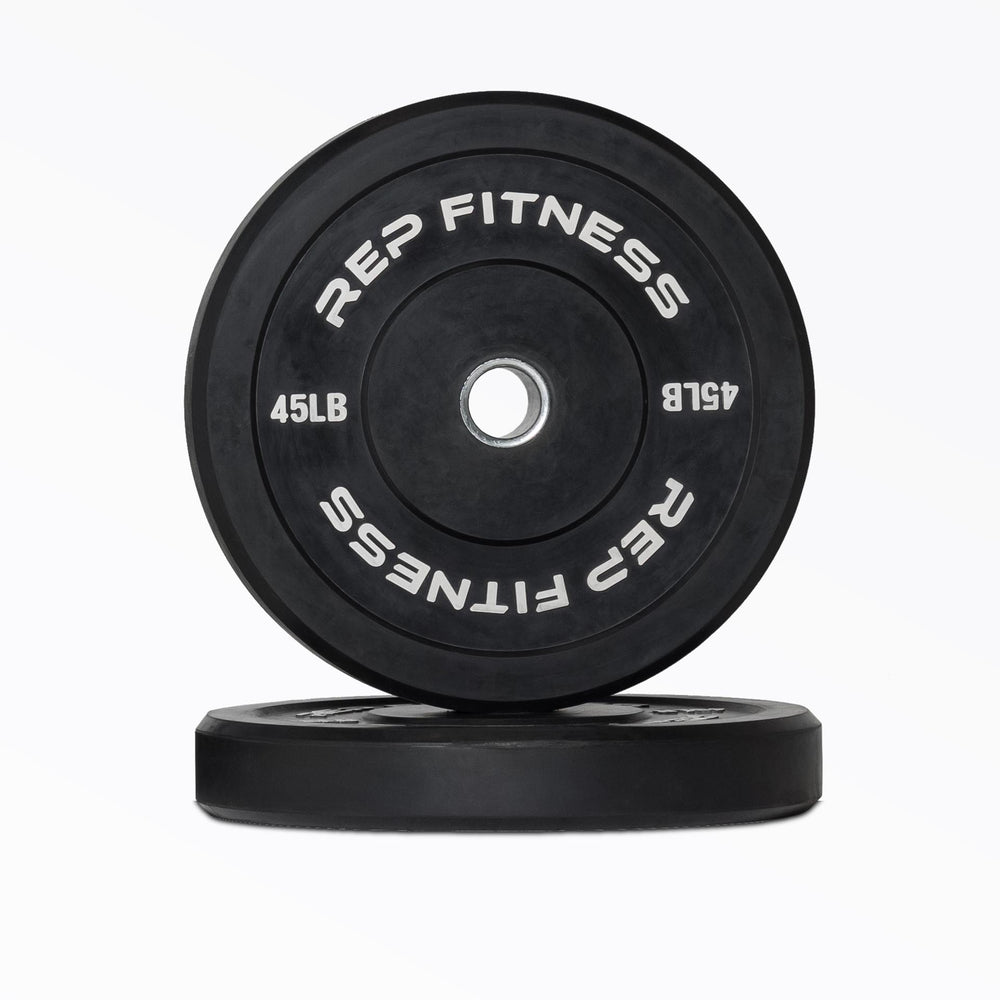
For most home gyms, buy training bumper plates by the pair and skip competition plates. Best value is the REP Fitness Black Bumper (from $69.99/pair); Titan's 230 lb set is the cheapest one-and-done; Titan's crumb-rubber set is quietest for shared floors. At home, thickness, bounce, and price per pound matter more than IWF tolerance.
GearScout may earn a commission when you buy through links on this page. Prices, availability, and ratings can change, so confirm details with the retailer before purchasing.
Prices last verified August 2026.
For most home gyms, the right bumper plates are simpler and cheaper than the guides make them look. Buy training bumper plates by the pair, match them to the weight you actually lift, and skip competition plates unless you train the Olympic lifts for real. The three specs that decide a good home purchase are plate thickness (how much you can fit on the bar), bounce (how wild the plate is on a missed rep), and price per pound. IWF weight tolerance — the thing competition guides obsess over — barely matters at home.
Our best overall value is the REP Fitness Black Bumper Plate at $69.99 a pair to start, because buying by the pair lets you build exactly the load you need. If you would rather have a complete set land on your doorstep, the Titan 230 lb Economy set is the cheapest one-and-done. Lifting over a bedroom or in a shared building? The Titan 260 lb Crumb Rubber set uses recycled crumb rubber that deadens noise and impact. Every price, stock status, and product image in this guide was verified on August 1, 2026 against each brand's live listing. We did not drop-test these plates ourselves — where a bounce or durability claim is a maker's spec rather than something we measured, we say so.
What actually matters in a home-gym bumper plate
A bumper plate is a rubber-encased weight plate built to be dropped from overhead without destroying itself, your bar, or your floor. That is the whole point: iron plates are cheaper per pound, but you cannot safely bail a loaded barbell onto them. If you deadlift heavy, clean, snatch, or do any barbell work you might have to drop, you want bumpers. Here is what separates a smart home buy from an expensive one — and what competitors miss by leading with competition plates.
Training vs. competition vs. crumb — pick the right family first.
- Training bumpers (virgin or crumb rubber, a steel insert): the default for a home gym. Durable, a bit thicker, a moderate bounce, and the best price per pound. REP Black, Fringe Black, and both Titan sets here are training bumpers.
- Competition plates (thin, hard rubber over a wide steel disc, tight color coding): precise weight and a very low, dead bounce — built for platforms and meets. They cost two to three times as much per pound and are usually overkill at home. Buy them only if you genuinely train the Olympic lifts and want meet-accurate plates.
- Crumb (recycled) bumpers: made from ground-up recycled rubber. They are the quietest and most floor-friendly on a drop, often made in the USA, and priced well — the trade is a speckled look and a slightly higher bounce than a dense virgin plate.
Thickness is the spec nobody explains. A loadable Olympic sleeve is only about 16 inches long. Thick plates eat that space fast, so if you load a lot of weight in low denominations — six 45s a side for heavy pulls — thin plates matter. Competition and MilSpec-style plates are thinnest per pound; crumb and cheap economy plates are thickest. For most people loading two to four plates a side this never comes up, but if you deadlift over 400 lb, budget for thinner plates or you will run out of sleeve.
Bounce is a safety and floor issue, not a feature. A high-bounce plate that rockets back at your shins on a missed clean is not a plus. Denser virgin rubber and competition plates bounce least; thick crumb and economy plates bounce most. A rubber mat under the bar tames all of it — see our note on floors below.
How much weight should you actually buy? Start from your heaviest realistic lift, not your goal. A common first home set is a pair of 45s, a pair of 25s, a pair of 10s, plus your bar (a 45 lb Olympic bar) — that is 205 lb loaded, and change plates fill the gaps. Buying by the pair (REP, Fringe) lets you add 45s later without re-buying a whole set. If you already know you want 300 lb-plus on the floor, a boxed set is cheaper per pound than assembling it pair by pair.
Quick Picks
| Best for | Pick | Why it works at home |
|---|---|---|
| Best overall value | REP Fitness Black Bumper Plates | Buy by the pair from $69.99 and build the exact set you need |
| Best virgin-rubber training bumper | Fringe Sport Black Bumper Plates | Virgin rubber, lower odor, stainless insert, 567 owner reviews |
| Best budget complete set | Titan 230 lb Economy Set | The cheapest ready-to-lift 230 lb set, delivered in one box |
| Best for quiet lifting and floors | Titan 260 lb Crumb Rubber Set | Recycled crumb rubber deadens noise and impact; made in USA |
| Best thin, low-bounce, cheapest entry | Fringe Sport MilSpec Bumper Plates | Thinner and firmer than economy plates; from $55 a pair |
| Best for learning the lifts | Fringe Sport Technique Plates | Full-diameter 10 lb plates to groove form at a light load |
Comparison Table
Prices last verified August 2026. Read the "Sold as" column before comparing numbers: some picks are priced per pair so you build a set, others are complete sets, and the technique plates are a single 10 lb pair.
| Pick | Sold as | Price | Rubber / type | Bounce | Best for |
|---|---|---|---|---|---|
| REP Fitness Black | Pairs, 10–45 lb | From $69.99/pair | Training bumper, steel insert | Moderate | Best overall value |
| Fringe Sport Black | Pairs, 10–55 lb | From $77/pair | Virgin rubber, stainless insert | Moderate | Virgin-rubber durability |
| Titan 230 lb Economy Set | Complete set | $449.97 ($519.99 MSRP) | Economy training bumper | Moderate–high | Cheapest full set |
| Titan 260 lb Crumb Set | Complete set | $554.97 ($599.99 MSRP) | Recycled crumb rubber | Higher, but quiet on floors | Quiet lifting, floor safety |
| Fringe MilSpec | Pairs | From $55/pair | Thin virgin rubber | Low | Thin, low-bounce, budget |
| Fringe Technique Plates | 10 lb pair | $70 ($116 MSRP) | Light training plate | Low | Learning the lifts |
The prices above are each maker's own figures, read from their live listings on August 1, 2026. Per-weight pairs cost more as they get heavier and can sell out independently, so confirm your exact weight is in stock before checkout.
Methodology
We built this list for one buyer: someone equipping a home or garage gym who wants plates they can drop, without overpaying for a competition spec they will never use. So the first filter was practical, not prestige — the plate has to be a genuine bumper (rubber-encased, safe to drop, 450mm diameter to match a bar), in stock in the US, and sold at a price a home lifter would actually pay.
Within that set we ranked by fit to a specific home need — best value, best virgin rubber, cheapest full set, quietest for floors, thinnest and lowest-bounce, and best for learning — then by price per pound, durability reputation, and stock reliability. On August 1, 2026 we read each retailer's live product page for the model, US price, in-stock status, rubber type, insert, and diameter; we confirmed every product image returned an official-retailer asset (HTTP 200, image content type); and we confirmed every buy link resolved. Where a bounce, thickness, or durability characteristic came from a manufacturer's spec rather than our own measurement, we treated it as a cited claim, not a test result.
What We Checked
What competitors miss is that a home gym is not a competition platform, and most bumper-plate guides bury that. They open with $400 sets of IWF competition plates and thin color-coded discs, when the honest answer for the vast majority of home lifters is a rack of training bumpers bought by the pair. We built this guide around the home decision instead — and around three things a generic ranked list skips.
- We ranked by home constraints, not meet specs. Noise and floor impact (crumb vs. virgin), loadable sleeve length (plate thickness), and price per pound decide a good home buy far more than a plus-or-minus-10-gram weight tolerance. We compared the picks on those axes first.
- We verified stock the hard way, and it changed the list. Several famous SKUs were out on August 1, 2026: REP's Hi-Temp and Sport plates both read out of stock, Titan's Elite competition plates were on backorder into late August, and the Bells of Steel bumper line read unavailable. We dropped every one of them rather than link a plate you cannot buy, and filled the quiet/crumb role with Titan's in-stock crumb set.
- We were honest about Rogue. The Rogue Echo Bumper is the plate every forum compares against, and it is a genuinely excellent training bumper. But Rogue sells direct only and its site blocks automated price and image checks, so we could not verify a live price or pull an official image for it. Rather than fake one, we left it out of the ranked picks and tell you plainly: if you want the Echo, buy it from Rogue directly.
Who this is for: home and garage lifters who want to drop a loaded barbell safely without buying competition plates. If your budget is tight, the Titan economy set or Fringe MilSpec pairs get you lifting for the least money. We did not wear-test or drop-test these plates; this is researched editorial judgment from manufacturer and retailer specs plus the prices, stock, and images we confirmed on August 1, 2026.
Our top picks
Best overall value: REP Fitness Black Bumper Plates (from $69.99/pair)
The REP Black Bumper Plate is the plate most home lifters should start with. REP has spent a decade as the value benchmark of the home-gym world, and its standard black training bumper does the ordinary job well: a durable rubber body, a steel insert, the standard 450mm diameter, and a moderate bounce that will not surprise you. The reason it tops the list is the buying model — you buy by the pair, from $69.99 for the 10s up through the 45s, so you assemble exactly the load you need and add a pair of 45s later without re-buying a set. For a first home gym that is both the cheapest way in and the most flexible.
Best for: most home lifters who want to build a set pair by pair and expand over time.
Avoid if: you want a full set delivered in one box (get the Titan economy set) or the quietest possible drops over a living space (get crumb).
Best virgin-rubber training bumper: Fringe Sport Black Bumper Plates (from $77/pair)
If you specifically want virgin rubber — first-run rubber rather than recycled crumb, which means lower odor and a dense, consistent feel — the Fringe Black Bumper Plate is the pick. It runs a stainless-steel insert and comes in pairs from 10 up to 55 lb, and with 567 owner reviews it is one of the most-vetted home bumpers you can buy. It costs a few dollars more per pair than the REP, which is the price of virgin rubber over crumb. Fringe is a smaller, lifter-founded brand with a strong service reputation, which matters when a plate needs a warranty look.
Best for: buyers who want virgin-rubber durability and low odor, bought by the pair.
Avoid if: you want the lowest sticker price (the MilSpec is cheaper) or a complete set in one purchase.
Best budget complete set: Titan 230 lb Economy Black Set ($449.97)
When you already know you want a full set on the floor and you want it cheap, the Titan 230 lb Economy set is the answer. At $449.97 (down from a $519.99 list) it lands pairs of 10, 25, 35, and 45 lb plates — 230 lb total — in one order, built to a 450mm IWF diameter with a steel core and a plus-or-minus-3-percent weight tolerance that is perfectly fine for training. Titan is the budget end of the home-gym market, and these are economy plates: the finish is glossier and the bounce a touch livelier than a premium virgin plate. On a matted floor that difference disappears, and the price per pound is hard to beat.
Best for: the cheapest way to get a complete, ready-to-lift 230 lb set.
Avoid if: you are noise- or floor-sensitive (the crumb set is quieter) or you want to expand pair by pair.
Best for quiet lifting and floors: Titan 260 lb Crumb Rubber Set ($554.97)
Lifting in an apartment, over a bedroom, or in a garage that shares a wall with the living room changes the math, and the Titan Crumb Rubber set is built for it. Crumb plates are made from recycled, ground-up rubber that is vulcanized with a urethane binder, and that construction deadens the noise and shock of a drop better than a dense virgin plate. This 260 lb set is made in the USA, runs a stainless-steel insert, and carries the familiar IWF color fleck. At $554.97 (from a $599.99 list) it is our priciest pick, and the honest trade-offs are a speckled look and a slightly higher bounce than a virgin plate — but for keeping the peace with neighbors and protecting a floor, crumb is the right rubber.
Best for: shared buildings and upstairs or over-living-space gyms where noise and impact matter most.
Avoid if: you dislike the speckled look or want the lowest price.
Best thin, low-bounce, cheapest entry: Fringe Sport MilSpec Bumper Plates (from $55/pair)
The Fringe MilSpec plate is the value sleeper here. Fringe positions it as a thinner, firmer, lower-bounce plate than a standard economy bumper — closer to the profile of a competition plate without the competition price — and at $55 a pair to start it is the cheapest per-pair entry in this guide. Thinner plates leave more room on the sleeve, which matters if you load heavy, and a lower bounce is safer on a missed rep. With 183 owner reviews it is well-vetted. The trade for thinness is a little less cushion on hard bails, so pair it with a mat if you drop from overhead often.
Best for: fitting more weight on the bar, a deader bounce, and the lowest per-pair price.
Avoid if: you want maximum cushion on missed reps or a set delivered in one box.
Best for learning the lifts: Fringe Sport Technique Plates ($70 per 10 lb pair)
Before you load real weight, the Fringe Technique Plate lets you groove the Olympic lifts safely. These are full-diameter 450mm plates that weigh only 10 lb each, so a new lifter gets the correct bar height off the floor and can practice cleans, snatches, and jerks without a loaded bar. At $70 a pair (from a $116 list) they are a cheap, sensible add-on for a beginner, not a substitute for training weight.
Best for: beginners learning barbell technique at a light, safe load.
Avoid if: you need real loading weight — technique plates are deliberately light.
Buying Guide
Start by deciding whether you buy by the pair or as a set. If you are building slowly, unsure of your ceiling, or want to expand later, buy pairs — the REP Black, Fringe Black, or budget Fringe MilSpec let you add exactly what you need. If you already know you want 230 lb-plus on the floor and want it cheapest, a complete Titan set costs less per pound than assembling one plate at a time.
Then match the rubber to your building. In a detached garage on a concrete slab, an economy or virgin training bumper on a rubber mat is all you need. Over a bedroom, in an apartment, or anywhere noise travels, spend up for the quieter crumb set and lay a thick mat. Nobody at home needs competition plates unless they train the snatch and clean-and-jerk seriously and want meet-accurate weight and a dead bounce — and if that is you, buy a dedicated competition set rather than paying that premium for everyday training.
Finally, plan the rest of the platform. Bumper plates need a bar rated to be dropped — see our best barbells for a home gym guide — and most people drop over a rubber mat or a simple plywood-and-mat deadlift platform to protect the floor and cut noise. If you are still building the room, the power racks for garage gyms and folding squat racks for small spaces guides cover what holds the bar, and the rest of the strength-training hub covers benches, dumbbells, and storage.
Common mistakes to avoid
- Buying competition plates for a home gym. You pay two to three times per pound for a weight tolerance and dead bounce you will not use outside a meet. Training bumpers are the right call for almost everyone.
- Ignoring plate thickness until the bar runs out of room. If you deadlift over 400 lb, thick economy or crumb plates can fill the sleeve before you reach your load — plan for thinner plates.
- Dropping bumpers straight onto concrete or tile. Bumpers protect the bar and take the drop, but a mat or platform saves the floor and cuts noise. Budget for one.
- Assuming a "set" is always cheaper. Below about 200 lb, buying two or three pairs can cost less than a boxed set — do the price-per-pound math for your actual load.
- Buying too much weight too soon. Start from your heaviest realistic lift plus room to grow, not your long-term goal. You can always add a pair of 45s later, especially if you bought by the pair.
- Trusting a marquee model is in stock. In mid-2026 several famous plates were out or on backorder. Confirm the exact weight and finish are in stock on the live listing before you count on them.
FAQs
How much bumper weight should I actually buy for a home gym?
Start from your heaviest realistic lift, not your goal. A common first set is a pair of 45s, a pair of 25s, and a pair of 10s, which with a 45 lb Olympic bar puts 205 lb on the floor; add change plates (5s and 2.5s, usually iron) to fill the gaps. If you buy by the pair you can add another pair of 45s the month you need them, so you rarely have to over-buy up front.
Do I need competition plates, or are training bumpers fine?
For almost every home gym, training bumpers are fine and the smarter buy. Competition plates cost two to three times as much per pound for a tight weight tolerance and a very low, dead bounce that matter on a meet platform, not in a garage. Buy competition plates only if you seriously train the Olympic lifts and want meet-accurate weight; otherwise put the money toward more training weight or a better bar.
Will bumper plates damage my floor, and are they OK upstairs?
Bumpers are designed to be dropped and will not crack like iron, but the impact still travels into the floor. On a concrete garage slab, a rubber mat is enough. Over a bedroom or in an apartment, use a quieter crumb-rubber plate plus a thick mat or a plywood-and-mat platform, and avoid dropping from full overhead when you can. Crumb plates deaden noise and shock better than dense virgin plates.
What is the difference between training, competition, and crumb bumper plates?
Training bumpers (virgin or crumb rubber over a steel insert) are the durable, moderately priced home default. Competition plates are thin, hard discs with a wide steel center, precise weight, and a very low bounce for platforms and meets — and cost far more. Crumb bumpers are made from recycled ground rubber; they are the quietest and most floor-friendly and often made in the USA, with a speckled look and a slightly higher bounce as the trade.
Are crumb (recycled) bumper plates worse than virgin rubber?
Not worse, just different. Crumb plates are made from recycled rubber, which makes them quieter and gentler on floors and often cheaper and USA-made — real advantages for a home gym in a shared building. The trade-offs are a speckled rather than solid-black look and a slightly higher bounce than a dense virgin plate. Virgin rubber has lower odor and a firmer, more consistent feel. Pick crumb for noise and value, virgin for feel and looks.
Can I buy bumper plates by the pair, or do I need a whole set?
You can absolutely buy by the pair, and for a growing home gym it is often the better move. Brands like REP and Fringe sell single pairs from the 10s up to the 45s, so you build exactly the load you need and expand later without re-buying. A boxed set only wins on price per pound once you want a lot of weight at once — roughly 230 lb and up — so below that, price out a few pairs before assuming a set is cheaper.
Common questions
Frequently asked questions
- How much bumper weight should I actually buy for a home gym?
- Start from your heaviest realistic lift, not your goal. A common first set is a pair of 45s, a pair of 25s, and a pair of 10s, which with a 45 lb Olympic bar puts 205 lb on the floor; add change plates (5s and 2.5s, usually iron) to fill the gaps. If you buy by the pair you can add another pair of 45s the month you need them, so you rarely have to over-buy up front.
- Do I need competition plates, or are training bumpers fine?
- For almost every home gym, training bumpers are fine and the smarter buy. Competition plates cost two to three times as much per pound for a tight weight tolerance and a very low, dead bounce that matter on a meet platform, not in a garage. Buy competition plates only if you seriously train the Olympic lifts and want meet-accurate weight; otherwise put the money toward more training weight or a better bar.
- Will bumper plates damage my floor, and are they OK upstairs?
- Bumpers are designed to be dropped and will not crack like iron, but the impact still travels into the floor. On a concrete garage slab, a rubber mat is enough. Over a bedroom or in an apartment, use a quieter crumb-rubber plate plus a thick mat or a plywood-and-mat platform, and avoid dropping from full overhead when you can. Crumb plates deaden noise and shock better than dense virgin plates.
- What is the difference between training, competition, and crumb bumper plates?
- Training bumpers (virgin or crumb rubber over a steel insert) are the durable, moderately priced home default. Competition plates are thin, hard discs with a wide steel center, precise weight, and a very low bounce for platforms and meets — and cost far more. Crumb bumpers are made from recycled ground rubber; they are the quietest and most floor-friendly and often made in the USA, with a speckled look and a slightly higher bounce as the trade.
- Are crumb (recycled) bumper plates worse than virgin rubber?
- Not worse, just different. Crumb plates are made from recycled rubber, which makes them quieter and gentler on floors and often cheaper and USA-made — real advantages for a home gym in a shared building. The trade-offs are a speckled rather than solid-black look and a slightly higher bounce than a dense virgin plate. Virgin rubber has lower odor and a firmer, more consistent feel. Pick crumb for noise and value, virgin for feel and looks.
- Can I buy bumper plates by the pair, or do I need a whole set?
- You can absolutely buy by the pair, and for a growing home gym it is often the better move. Brands like REP and Fringe sell single pairs from the 10s up to the 45s, so you build exactly the load you need and expand later without re-buying. A boxed set only wins on price per pound once you want a lot of weight at once — roughly 230 lb and up — so below that, price out a few pairs before assuming a set is cheaper.
References
Sources
- REP Fitness Black Bumper Plates — price, in-stock (schema.org/InStock), weight options (REP Fitness, verified Aug 1, 2026)
- Fringe Sport Black Bumper Plates — per-weight pricing, virgin rubber, in-stock (Fringe Sport, verified Aug 1, 2026)
- Titan 230 lb Economy Black Bumper Plate Set — price, steel core, 450mm IWF, in-stock (Titan Fitness, verified Aug 1, 2026)
- Titan 260 lb Crumb Rubber Bumper Plate Set — price, recycled crumb, made in USA, in-stock (Titan Fitness, verified Aug 1, 2026)
- Fringe Sport MilSpec Black Bumper Plates — price, thin low-bounce profile, in-stock (Fringe Sport, verified Aug 1, 2026)
- Fringe Sport Technique Plates — 10 lb pair price, full diameter, in-stock (Fringe Sport, verified Aug 1, 2026)
Keep reading
Related guides
Best barbells for home gym (2026): 6 verified budget-to-premium picks
The best home-gym barbells for 2026, ranked by verifiable spec and honest live stock, from the $149.97 Titan to the 205k-PSI Fringe Wonder Bar.
Jul 30, 2026
Best Power Racks for Garage Gyms (2026)
Compare garage-friendly power racks by footprint, height, price, no-bolt setup, folding clearance, and attachment ecosystem.
May 29, 2026
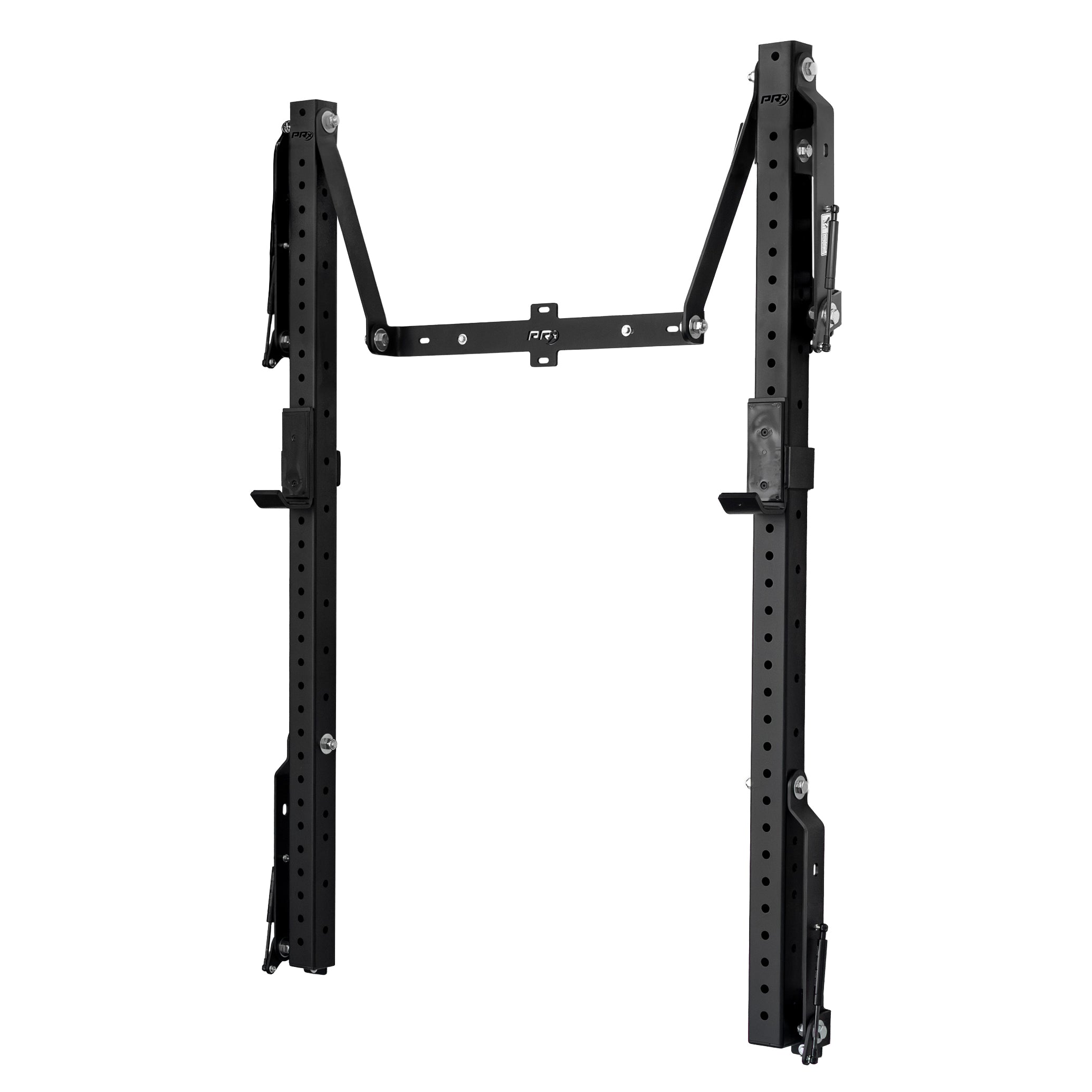
Best Folding Squat Racks for Small Spaces (2026)
Folding squat racks for small spaces, ranked by folded depth, ceiling clearance, steel, and verified July 2026 stock. Four you can buy now, from about $400.
Jul 31, 2026

Best weighted vest for women (2026): ranked by smallest weight step, not max load
Nine women's and unisex weighted vests compared on smallest published weight step, size-chart disclosure, and cost per pound of load. Verified Aug 2026.
Aug 31, 2026