The short answer
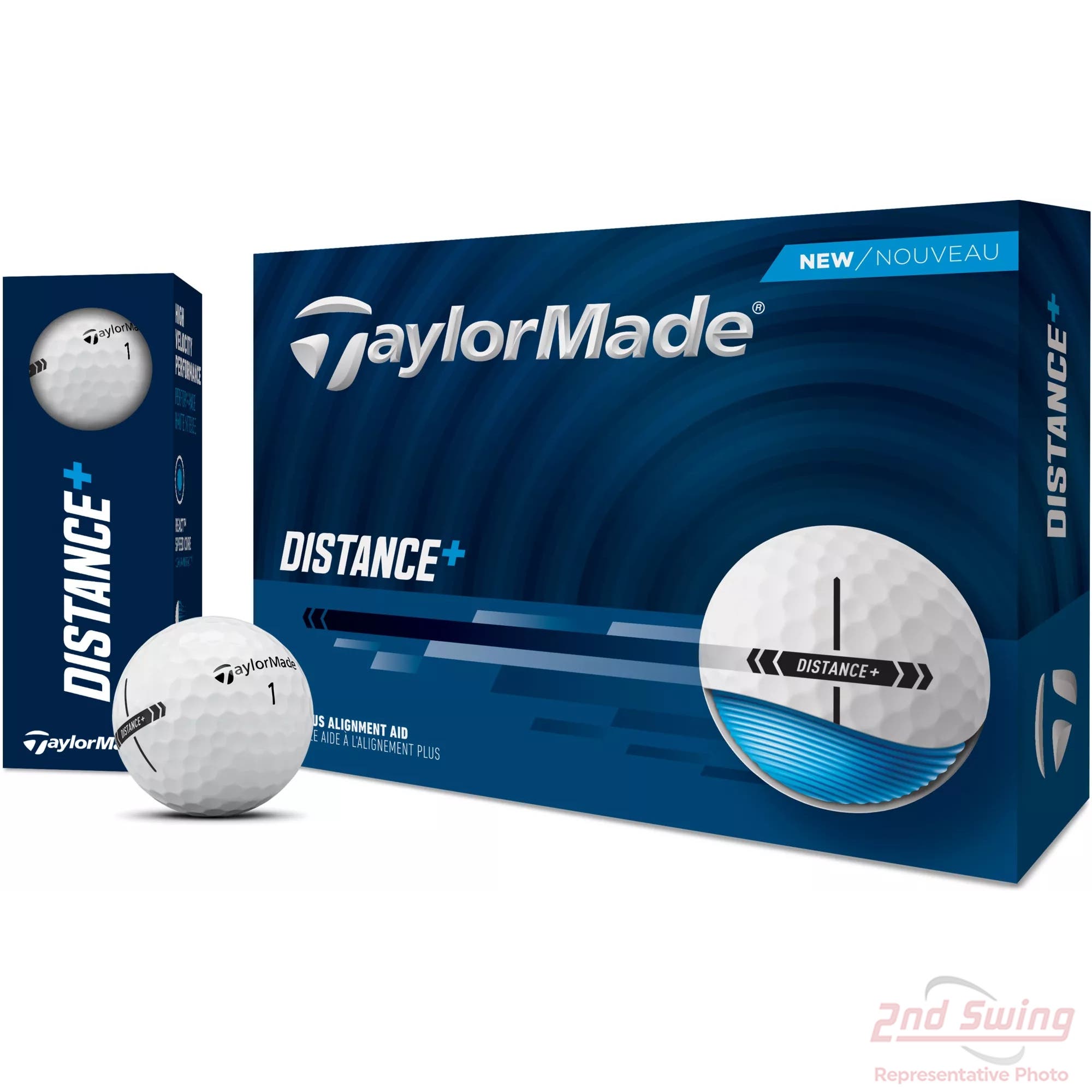
For most high handicappers, the TaylorMade 2025 Distance+ or Callaway 2025 Supersoft are the right starting picks. Both are low-spin 2-piece balls that fly straighter, compress easily, and cost under $27/dozen — cheap enough to lose without regret. Skip urethane tour balls until you're breaking 90 consistently.
GearScout may earn a commission when you buy through links on this page. Prices, availability, and ratings can change, so confirm details with the retailer before purchasing.
Prices last verified June 2026.
Most golf ball guides give high handicappers the same answer they give everyone: Pro V1 if you can afford it, Supersoft if you can't. That's not wrong exactly — but it misses the point of what a high handicapper's game actually needs from a ball.
High handicappers don't lack greenside spin. They have trouble hitting greens in the first place, and they tend to hit driver shots that curve left or right — which makes low driver spin far more important than urethane short-game feel. The right ball for a 22-handicap isn't a softer tour ball. It's a 2-piece design that reduces sidespin on mishits, flies high and straight, and costs little enough to lose without second-guessing a shot.
This guide is about those balls.
Quick Picks
| Pick | Price | Best for |
|---|---|---|
| TaylorMade 2025 Distance+ | $21.99/dz | Best overall — straight flight + lowest price |
| Callaway 2025 Supersoft | $26.99/dz | Best all-around feel and forgiveness |
| Wilson 2025 Duo Soft | $22.99/dz | Best ultra-soft budget pick |
| Bridgestone e6 Soft | $28.99/dz | Best for chronic slicers |
| Srixon Soft Feel 14 | $24.99/dz | Best control/feel balance |
| Titleist 2026 TruFeel | ~$29.99/dz | Best Titleist-branded option |
| Titleist 2024 Velocity | ~$34.99/dz | Best for faster-swinging high handicappers |
Comparison Table
Prices last verified June 2026.
| Ball | Compression | Construction | Cover | Price/dozen | Best for | Avoid if |
|---|---|---|---|---|---|---|
| TaylorMade 2025 Distance+ | ~70 | 2-piece | Ionomer | $21.99 | Straight flight; cheapest option; alignment aid | Want ultra-soft feel |
| Callaway 2025 Supersoft | ~38 | 2-piece | Trionomer | $26.99 | Any swing speed; best-selling forgiveness | Swing 95+ mph; need tour spin |
| Wilson 2025 Duo Soft | ~35 | 2-piece | Surlyn | $22.99+ | Softest feel; ultra-straight; budget | 85+ mph swing speed |
| Bridgestone e6 Soft | ~44 | 2-piece | Soft ionomer | $28.99 | Reducing side spin; chronic slicers | You already hit it straight |
| Srixon Soft Feel 14 | ~50–60 | 2-piece | Thin ionomer | $24.99 | Control + feel; 80+ mph swings | Under 70 mph swing speed |
| Titleist 2026 TruFeel | ~65 | 2-piece | TruFlex | ~$29.99 | Titleist brand loyalty; consistent flight | Distance priority buyers |
| Titleist 2024 Velocity | ~77 | 2-piece | NaZ+ | ~$34.99 | Faster swings; max Titleist distance | Under 80 mph; slice problems |
Methodology
Products were selected based on: (1) suitability for 75–95 mph driver swing speeds typical of 15–30 handicappers; (2) 2-piece construction favoring reduced sidespin over multi-layer short-game spin; (3) price point under $35/dozen to keep replacement cost rational for high-loss-rate play; (4) availability through major US retailers in June 2026. Prices sourced directly from 2nd Swing Golf and Bridgestone Golf official shop on 2026-06-05. No hands-on range testing was conducted for this article — product evidence is sourced from official manufacturer specs, retailer listings, and category analysis of high-handicapper ball selection research.
This guide deliberately excludes urethane-cover tour balls (Pro V1, Chrome Tour, TP5) that require 90+ mph swing speeds and controlled short-game technique to deliver their claimed benefits. For high handicappers those balls cost more, don't compress properly for most swing speeds, and amplify mishits rather than reducing them.
What We Checked
The key insight missing from most high-handicapper ball guides: the metric that matters most isn't compression — it's driver sidespin. Here's the editorial analysis that shaped this ranking.
A high handicapper's most common flight problem is a slice or pull-hook. Both are caused by a swing path and face angle mismatch that creates sidespin. A two-piece ionomer ball with a lower-spin design (like the TaylorMade Distance+ with its 322-dimple Extended Flight Pattern, or the Bridgestone e6 Soft with its seamless cover specifically engineered for reduced side spin) will fly straighter on the same mishit than a multi-layer urethane ball that's optimized for greenside spin control.
The Bridgestone e6's explicit product positioning — straight flight through aerodynamic and cover design — is meaningfully different from other "soft" balls that happen to fly sort of straight. If your miss is a chronic left-to-right shape, the e6 is the only ball on this list specifically engineered to fight it. The other balls on this list reduce sidespin relative to tour balls but don't have dedicated anti-slice construction.
The price argument for budget balls is also more important than most guides acknowledge. At 4–6 balls lost per round, a $55 dozen (Pro V1 price) costs $2.29–$3.43 per ball per round just in losses — before any actual hitting. A $22 dozen costs $0.92–$1.38. Over a 40-round season, that's a $550 difference for a 6-ball-per-round loser. That money buys a lesson, a custom iron fitting, or a year's worth of wedge work — all of which will lower your handicap faster than playing a better ball.
Our picks explained
Best overall: TaylorMade 2025 Distance+
For most high handicappers, the TaylorMade 2025 Distance+ hits the right combination: the cheapest option in this lineup ($21.99/dozen at 2nd Swing), straight-flight aerodynamics, and a REACT Speed Core that compresses well for typical amateur swing speeds. The 322-Extended Flight Dimple Pattern is TaylorMade's answer to reducing drag and promoting straight flight — useful for anyone whose driver regularly curves offline.
The Plus Alignment Aid is a bonus. It's a visible alignment line on the ball useful for putting and tee-shot setup. Most high handicappers don't use ball alignment tools consistently; this makes it easy to start.
This is the ball to recommend to a 20–28 handicapper who's been playing any ball they find and wants to see what an intentional choice feels like. See our full guide to clubs for the same audience →
Best for: Anyone prioritizing straight flight and low cost. Most high handicappers who slice. Avoid if: You want a premium soft feel around the greens; you already hit it fairly straight and want more spin.
Best all-around: Callaway 2025 Supersoft
The Callaway Supersoft is the best-selling two-piece distance ball in golf for a reason — it's the most consistent all-around option for amateur swing speeds. Ultra-low compression (~38) means it compresses fully for swing speeds as low as 65 mph. HEX Aerodynamics reduces drag on off-center hits. The Trionomer cover provides a surprisingly soft feel for a non-urethane ball.
If you're buying one ball without wanting to overthink it, this is the pick. The fact that it's available at virtually every golf retailer means you can replace it anywhere.
Best for: High handicappers of any swing speed. The default choice if you're unsure. Avoid if: Swing speed 95+ mph; you need specific tour-level short-game spin.
Best budget / ultra-soft: Wilson 2025 Duo Soft
Wilson's Duo Soft earns the "World's Softest Golf Ball" claim with a compression of ~35 — lower than any other major brand ball. For golfers who struggle to compress even the Supersoft (very slow swing speeds, typically 65 mph and under), or who simply love the confidence-inspiring cushion of an extremely soft ball, the Duo Soft delivers.
The two-layer construction reduces side spin on longer shots for a straight ball flight, and at $22.99/dozen (starting), it competes directly with the Distance+ on price.
Best for: Budget-first buyers; very soft feel preference; high-volume losers; swing speeds under 75 mph. Avoid if: Swing speed 85+ mph; you want maximum distance over feel.
Best for slicers: Bridgestone e6 Soft
Of the seven balls in this guide, the Bridgestone e6 Soft is the only one specifically engineered to reduce side spin on off-center hits — not just as a byproduct of 2-piece construction, but as a design goal. Bridgestone's seamless cover technology and e6's core design work together to produce straighter ball flights for players whose primary miss involves sidespin.
If your driver regularly ends up 20–30 yards right of target, the e6 is worth the extra $2–$6 per dozen over the Distance+ or Duo Soft. At $28.99/dozen from Bridgestone's official shop, it's still in the affordable range. Bridgestone's ball fitting data — their e-fitting algorithm has matched millions of golfers to ball types — is the source behind this ball's design.
Best for: Chronic slicers or hookers; anyone who's tried multiple "forgiving" balls and still struggles with direction. Avoid if: You already hit it relatively straight; you want the cheapest option.
Best control/feel balance: Srixon Soft Feel 14
The Srixon Soft Feel 14 is the choice for mid-handicappers (15–20) who want a two-piece ball with a bit more control than pure distance options. At ~50–60 compression, it sits in the middle of this range — soft enough for 80+ mph swing speeds to compress it, firm enough for good energy transfer. The Spin Skin coating on Srixon's ionomer cover adds more greenside grip than competitors at this price.
For high handicappers who hit wedges consistently to within 30 yards of the flag, the extra short-game feedback from the Soft Feel 14 will be noticeable. The double-dozen deal ($34.99 at 2nd Swing for 24 balls = ~$1.46/ball) makes it the cheapest-per-ball option when bought in bulk.
Best for: 15–20 handicappers with 80+ mph swing speeds who want soft feel and some control. Avoid if: Sub-70 mph swing speed; losing 4+ balls per round (cheaper options are more practical).
Best Titleist-brand pick: Titleist 2026 TruFeel
For golfers who trust the Titleist brand but can't justify Pro V1 pricing, the 2026 TruFeel is the right answer. At ~$29.99/dozen, it's well under the $55+ Pro V1 tier while delivering consistent Titleist flight characteristics and the TruTouch soft feel. The 2026 generation (model 26TFEEL) is the current version.
This isn't the best-performing ball on this list for pure high-handicap needs — it's for the golfer who wants to play Titleist without paying tour ball prices. High handicappers in the Titleist ecosystem also tend to look at our iron picks →
Best for: Brand-loyal Titleist buyers; players upgrading from a random ball mix who want a consistent Titleist performer. Avoid if: Distance is your top priority; you're not brand-loyal and want the best pure-performance pick.
Best for faster swings: Titleist 2024 Velocity
For high handicappers with swing speeds in the 85–100 mph range, the Titleist 2024 Velocity solves a specific problem: they generate enough speed to benefit from a faster ball but they don't have the short-game technique to justify a tour urethane. The Velocity's High-Speed LSX Core maximizes ball speed, and the 350 Octahedral Dimple Design produces a high, consistent ball flight — not a low screamer.
At ~$34.99/dozen it's the priciest option here, but significantly less than the Pro V1 for golfers who want Titleist performance at a non-tour price.
Best for: Faster-swinging high handicappers (85–100 mph); golfers who feel distance-ball cores don't generate enough speed for their swing. Avoid if: Under 80 mph swing speed; the slice is your main problem (no dedicated anti-slice aerodynamics); you prefer soft feel.
Buying Guide
The 3 things that actually matter for high handicappers
1. Driver spin — more important than compression or feel
High handicappers slice and hook because of excessive sidespin. A two-piece ionomer ball generates less sidespin than a multi-layer urethane ball on the same mishit. This is why the Bridgestone e6, TaylorMade Distance+, and even the basic Duo Soft will fly straighter for most high handicappers than a Pro V1 — not because of marketing claims, but because the cover material and construction physically create less sidespin on off-center impacts.
2. Compression matched to your swing speed
| Swing speed | Compression range | Recommended || |---|---|---| | Under 70 mph | 35–45 | Duo Soft, Supersoft | | 70–85 mph | 45–65 | Supersoft, Soft Feel 14, e6 Soft | | 85–95 mph | 65–80 | Distance+, Velocity, TruFeel | | 95+ mph | 80–90 | Velocity (approaching mid-handicap ball range) |
3. Cost per round you can accept
At 4 balls lost per round: $22/dozen = $7.33/round in losses. At 6 balls lost: $11/round. At Pro V1 pricing ($55/dozen), those same loss rates cost $18.33–$27.50 per round — before you've paid a green fee. Budget balls aren't just a compromise. For high handicappers, they're the logical choice.
Common mistakes to avoid
- Using a tour ball before you can use its features. The Pro V1's urethane spin benefits require consistent contact and controlled technique to unlock. Most high handicappers amplify their misses with a tour ball rather than correcting them.
- Choosing by brand loyalty instead of by spin profile. Titleist makes great balls — but the right Titleist ball for a 22-handicapper is the TruFeel or Velocity, not the Pro V1.
- Not switching when conditions change. Cold weather hardens ionomer covers — consider going even lower-compression in temperatures under 50°F.
- Spending more on balls than on lessons. A sleeve of Pro V1s ($16+) costs more than a 30-minute group lesson at most ranges. Lessons will lower your handicap; premium balls won't at this stage.
- Ignoring alignment aids. The TaylorMade Distance+ has a built-in alignment line. If you're not already lining up your ball for putts and tee shots, a ball with a visual aid is a free practice tool.
FAQs
Common questions
Frequently asked questions
- Do high handicappers need expensive golf balls?
- No. High handicappers benefit more from cheap, low-spin 2-piece balls than from premium urethane tour balls. The Pro V1 and Chrome Tour are built for 95+ mph swing speeds and precise short-game spin control — skills most high handicappers haven't developed yet. A $22–$27 dozen will perform better for your game, and the lower cost matters when you're losing 4–6 balls per round.
- What compression golf ball is best for a high handicapper?
- For most high handicappers (swing speed 75–95 mph), a compression of 35–65 is the right range. The Callaway Supersoft (~38) and Wilson Duo Soft (~35) are at the softest end; the Srixon Soft Feel 14 (~50-60) works for mid-high handicappers with 80–90 mph swing speeds. Higher compression balls like the Titleist Velocity work best for faster swingers at the lower end of high-handicap range.
- Why shouldn't high handicappers use the Pro V1?
- The Pro V1 is a compression 87–90 tour ball engineered for 95–115 mph swing speeds. At a typical high handicapper swing speed of 80–90 mph, it won't compress properly, reducing distance. Worse, its urethane cover generates high greenside spin — which magnifies off-center misses for high handicappers rather than reducing them. A $22 dozen of Distance+ or Supersoft will genuinely perform better.
- How many golf balls should a high handicapper carry per round?
- At least a dozen (12 balls) for an 18-hole round if you're a 20+ handicap. Higher handicaps lose 4–8 balls per round on average. Using budget balls ($20–$25/dozen) means you can play full-confidence shots without worrying about cost. The mental relief of playing 'replacement balls' without hesitation is worth more than marginal ball technology.
- Does ball color affect performance for high handicappers?
- No. Yellow, orange, and matte-finish balls use identical cores and covers to white versions. For high handicappers, a colored ball is often a practical advantage — they're easier to track in flight and find in rough. The Callaway Supersoft, Srixon Soft Feel, and Wilson Duo Soft all offer color options with no performance difference.
References
Sources
- TaylorMade 2025 Distance+ product page at 2nd Swing Golf
- TaylorMade Distance+ official product page
- Callaway 2025 Supersoft product page at 2nd Swing Golf
- Wilson 2025 Duo Soft product page at 2nd Swing Golf
- Bridgestone e6 Soft official shop page
- Srixon Soft Feel 14 Double Dozen at 2nd Swing Golf
- Titleist TruFeel golf balls
- Titleist 2024 Velocity golf balls at 2nd Swing Golf
- Bridgestone e6 Soft on Amazon
Keep reading
Related guides

Best Golf Drivers for High Handicappers (2026): 7 Forgiving Picks Ranked
Most forgiving golf drivers for high handicappers 2026, ranked by MOI and draw bias. PING G440 K leads; Vice VGD01 wins on budget.
May 31, 2026
Best Golf Irons for High Handicappers (2026): 6 Forgiving Sets Compared
Six forgiving iron sets for high handicappers in 2026, matched to swing speed and budget. Callaway, PING, TaylorMade, Cobra, and the best budget pick.
May 30, 2026
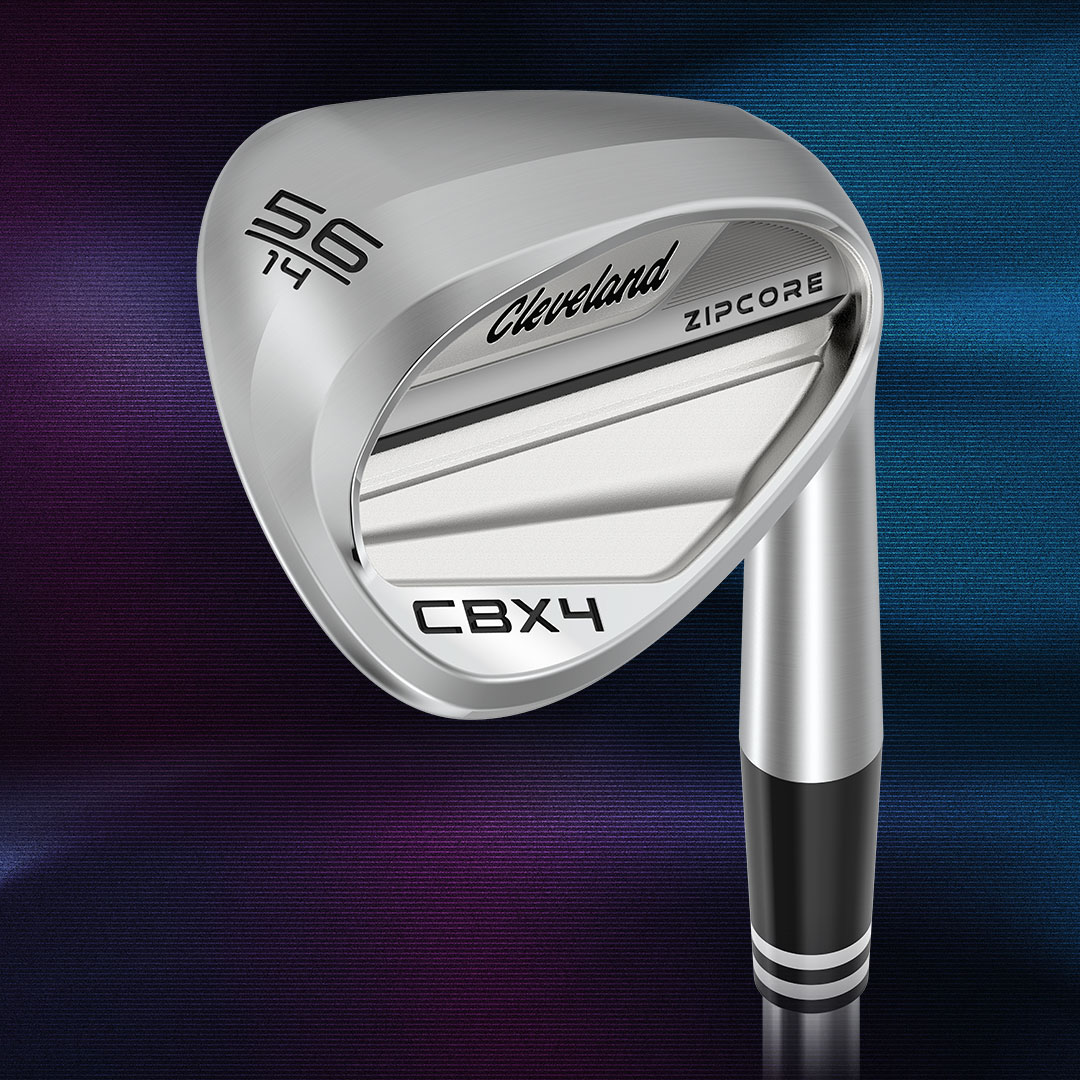
Best golf wedges for high handicappers (2026)
The 6 most forgiving golf wedges for high handicappers, ranked by how well they prevent chunked chips, failed bunker escapes, and thin flops.
May 31, 2026

Best Golf Balls for Seniors (2026): Low Compression Picks That Add Distance
The best golf balls for seniors are low-compression picks that fully compress at 65–85 mph. Our top 7 picks ranked by compression, distance, and feel.
May 31, 2026