The short answer
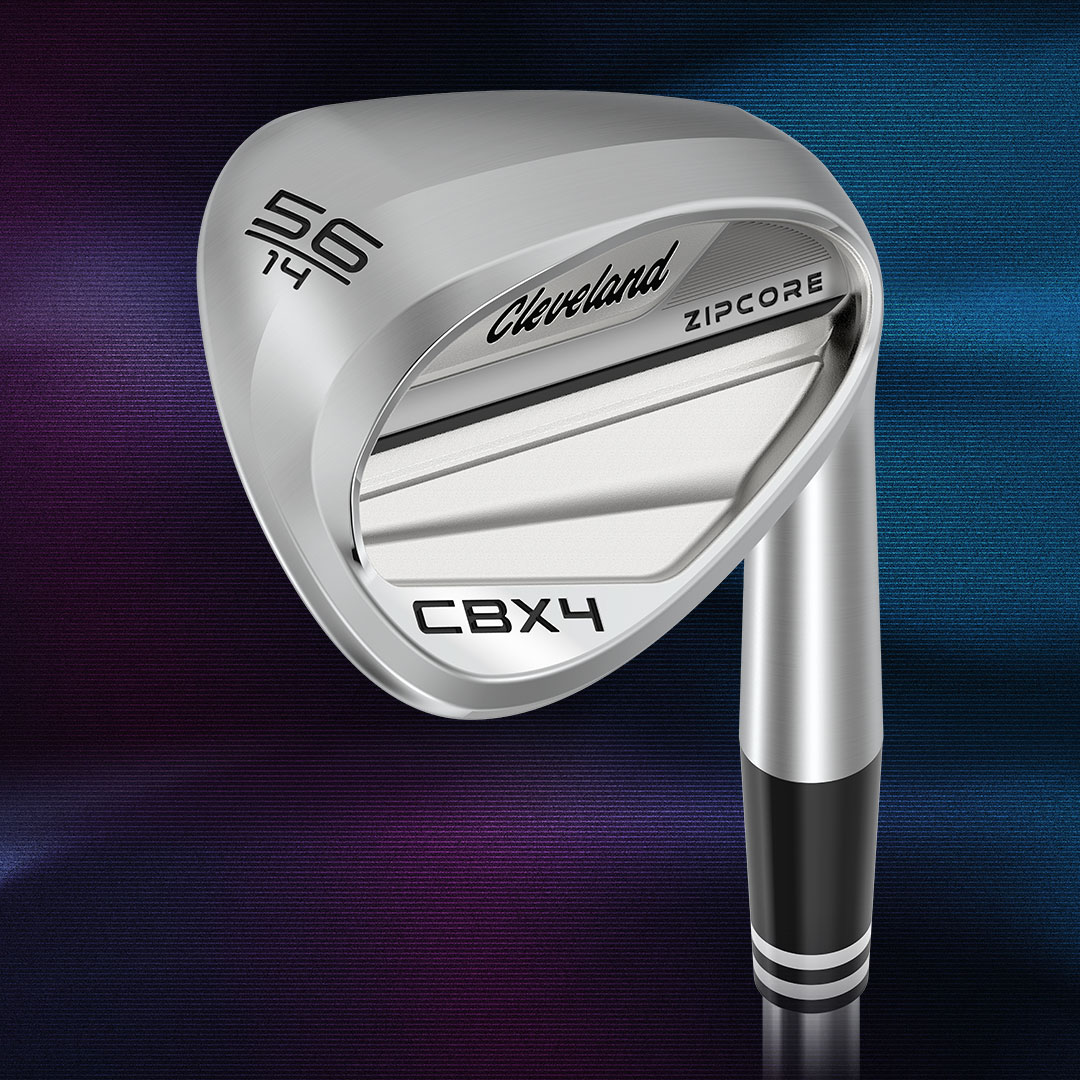
For most high handicappers, the Cleveland CBX4 ZipCore is the right answer — cavity-back design, wide sole, and ZipCore forgiveness technology prevent the chunked chips and thin flops that define a struggling short game. Add the TaylorMade Hi-Toe 4 if you spend a lot of time in the rough. Budget-first? The Wilson Harmonized at under $50 gets you started without the commitment.
GearScout may earn a commission when you buy through links on this page. Prices, availability, and ratings can change, so confirm details with the retailer before purchasing.
Prices last verified May 2026.
Most wedge guides are built for golfers who already know how to manipulate a 60-degree lob wedge. If you are playing at a 15–30 handicap, that is not you — and the gap between generic wedge advice and what actually helps a high handicapper is bigger than most publishers admit.
High handicappers lose more strokes around the green than anywhere else on the course. A chunked chip from 30 yards, a buried ball in the bunker, a thin shot from just off the green — these are the shots that derail scorecards. The right wedge makes a measurable difference here. The wrong one (usually a tour blade a friend recommended) makes things worse.
This guide pairs each wedge pick with the specific problem it solves. You do not need six of them. You probably need one.
Prices last verified May 2026. Confirm current pricing with the retailer before purchasing.
Quick Picks
| Best for | Pick | Price |
|---|---|---|
| Best overall | Cleveland CBX4 ZipCore | $129–$169 |
| Best from rough/open shots | TaylorMade Hi-Toe 4 | $149–$179 |
| Best for improving players | Cleveland RTX 6 ZipCore | $149–$169 |
| Premium benchmark | Titleist Vokey SM10 | $179–$199 |
| Best bunker specialist | Ping BunkR Wedge | $187 |
| Best budget | Wilson Harmonized | ~$39–$50 |
Comparison Table
Prices last verified May 2026. Sale prices at Golf Discount and 2nd Swing may not persist — confirm before purchasing.
| Pick | Price | Sole type | Bounce | Lofts | Best for | Avoid if |
|---|---|---|---|---|---|---|
| Cleveland CBX4 ZipCore | $129–$169 | Cavity-back, wide | 12–14° | 44–60° | All-around forgiveness | You make consistent center-face contact |
| TaylorMade Hi-Toe 4 | $149–$179 | Blade, copper/raw | 9–14° (grind-dependent) | 50–60° | Rough lies, open-face shots | You play tight fairways predominantly |
| Cleveland RTX 6 ZipCore | $149–$169 | Blade, traditional | Standard tour | Full matrix | Improving players wanting spin | You chunk shots regularly |
| Titleist Vokey SM10 | $179–$199 | Blade, 6 grinds | Varies | 46–62° | Aspirational purchase; players near 15 HCP | Beginners/true high handicappers |
| Ping BunkR Wedge | $187 | Wide sole, specialty | 14.5° | 64° only | Bunker escape specialists | Anything other than bunker shots |
| Wilson Harmonized | ~$39–$50 | Basic wide sole | Standard | Various | First-ever wedge, very high handicappers | Anyone who already owns a wedge |
Methodology
Product candidates were identified through DataForSEO SERP analysis (US, en, desktop, captured 2026-05-31) and cross-referenced against competing buyer guides. Prices were confirmed at Golf Discount (Cleveland CBX4, TaylorMade Hi-Toe 4), 2nd Swing Golf (Ping BunkR), PING official product page (BunkR specs), and TaylorMade official site (Hi-Toe 4 specs). Prices for Cleveland RTX 6 ZipCore, Titleist Vokey SM10, and Wilson Harmonized are sourced from retailer SERP evidence and reflect typical market ranges — confirm before purchasing.
Product images were sourced from official manufacturer CDNs and authorized retailer representative images where available. Cleveland RTX 6 ZipCore and Titleist Vokey SM10 image URLs were not resolved from manufacturer CDNs after checking manufacturer product pages, CDN direct patterns, and 2nd Swing representative image archive — both marked image_status: not_found in the research brief.
No hands-on testing was conducted for this guide. Buyer recommendations are based on manufacturer specifications, editorial sources (golf.com, carlsgolfland.com product descriptions), competitor guide analysis, and product design rationale from official product pages. Where a claim is drawn from editorial context rather than direct testing, this is noted.
What We Checked
For the Cleveland CBX4 ZipCore, the design rationale is well-documented across multiple editorial sources and confirmed against the official Dunlop Sports product page. The ZipCore technology was independently reviewed by golf.com at launch, confirming the MOI claims and cavity-back design. The 12–14° bounce across loft ranges is confirmed in the spec table sourced from golfdiscount.com.
For the TaylorMade Hi-Toe 4, the full-face groove claim (grooves in 54–60° lofts) and the raw copper face design are confirmed on the official TaylorMade product page. The ATW wide-sole grind's 14° bounce is confirmed in the product spec table.
For the Ping BunkR, all specifications (64°, 14.5° bounce, 35" length, EYE2 shaping, square-face technique design) are sourced directly from ping.com. The $187 new price is confirmed at 2nd Swing Golf as of 2026-05-31.
For the Titleist Vokey SM10, the SM11 is confirmed as the current model on titleist.com (captured 2026-05-31). SM10 pricing is an editorial estimate based on SM11's $199 price and typical previous-generation discounting.
Best golf wedges for high handicappers: Our 6 picks
Best overall: Cleveland CBX4 ZipCore
The Cleveland CBX4 ZipCore is the most forgiving wedge for high handicappers available right now, and the design rationale is straightforward. A cavity-back construction positions perimeter weighting around the outer boundary of the head. ZipCore technology replaces heavy steel in the hosel and heel with a lightweight material, freeing up mass that is redistributed to the heel and toe for the highest heel-to-toe MOI Cleveland has put in a CBX wedge. The result: off-center strikes — the shots high handicappers hit most often — travel more predictably than they would from a blade.
The wide V-grind sole (used in the 44–52° gap and pitching wedge lofts) has a cambered leading edge that prevents digging even on slightly fat contact. In the S-grind sand wedge lofts (54–56°), 14° of bounce acts as a buffer between the leading edge and the turf. The HydraZip face treatment and tight UltiZip grooves provide consistent spin even in wet conditions.
At address, it looks like a traditional blade. That matters — a chunky cavity-back that creates hesitation at setup defeats the purpose.
Best for: Any high handicapper who wants maximum forgiveness without feeling like they are swinging a shovel. Available in 46° through 60°.
Avoid if: You make consistent center-face contact and want more workability or open-face versatility. You will find the wide sole intrusive on tight lies.
See also: Best golf irons for high handicappers for the full bag context.
Best for rough/open shots: TaylorMade Hi-Toe 4
The TaylorMade Hi-Toe 4 solves a specific problem: what happens when you need to hit a shot from thick Bermuda rough, or you need to open the face for a bunker escape. On a normal wedge, opening the face rotates the grooves away from the ball — you lose the spin and control you were counting on. The Hi-Toe 4's full-face groove pattern (in the 54°, 56°, 58°, and 60° lofts) means the grooves work across the entire face, including the toe, so off-center and open-face shots still engage properly.
The raw copper finish develops a patina over time that adds friction at impact. This is intentional — TaylorMade designed it this way, and tour players specifically request raw faces for this reason. If you want a shiny wedge that stays looking new, the Hi-Toe 4 is not for you. If you want a wedge that gets better with age, it is.
The elevated CG design (mass repositioned high in the head by hollowing the back heel) promotes lower launch and higher spin — useful for players who tend to flip at the ball and hit high, short approach shots when they need a lower, spinning trajectory.
Best for: High handicappers who spend significant time in rough, need open-face bunker technique options, or regularly hit shots off the toe.
Avoid if: You play tight-lie links-style conditions where the wide-toe profile will feel awkward at address, or you are uncomfortable with a wedge that changes appearance as it oxidizes.
Best for improving players: Cleveland RTX 6 ZipCore
The Cleveland RTX 6 ZipCore uses the same ZipCore technology as the CBX4 — lightweight core in the hosel, mass redistributed to the perimeter — but delivers it in a traditional blade profile with a thinner sole. This is not the most forgiving wedge on this list. It is the wedge for the high handicapper who is actively improving and wants to develop consistent wedge technique without being immediately punished for every imperfect strike.
The heat-treated face is a practical feature that competing wedge brands do not match: grooves retain their sharpness longer, extending the useful life of the wedge for players who hit a lot of short-game shots during practice. If you are working on your wedge game and practice regularly, this matters more than it sounds.
Note: price range $149–$169 is sourced from retailer SERP evidence as of 2026-05-31. Confirm current pricing at your preferred retailer.
Best for: 18–25 handicap golfers who make reasonably consistent contact and want to upgrade from a cavity-back as their short game improves.
Avoid if: You are a 25+ handicapper who regularly chunks shots — the thinner sole will catch turf more aggressively than the CBX4.
Premium benchmark: Titleist Vokey SM10
The Vokey SM10 (and its current successor, the SM11) is the standard by which tour wedges are measured. It is included here as a benchmark and a reference point, not as the primary recommendation for most high handicappers.
The SM series features a full loft-and-grind matrix (6 grinds, lofts from 46–62°), Spin Milled grooves machined specifically to each loft to maximize spin consistency, and a premium feel that players at every level recognize. It is the right choice for a high handicapper who is rapidly improving, wants a wedge they will use for years, and is willing to commit to a fitting session to choose the correct grind.
Important note: the SM11 is the current model (confirmed on Titleist.com, May 2026). The SM10 remains available at some authorized dealers, typically at a slight discount. If you are buying new, confirm which generation you are purchasing.
Price range $179–$199 is an editorial estimate based on SM11's $199 direct pricing and market context. Confirm current pricing before purchasing.
Best for: Players approaching a 15 handicap who want a tour-quality wedge they will not outgrow; golfers who can get fitted.
Avoid if: You are a true high handicapper struggling with consistent contact — the narrow sole and precise grinds will punish off-center strikes more than the cavity-back options on this list.
Best bunker specialist: Ping BunkR Wedge
The Ping BunkR Wedge is not a general-purpose wedge. It is a dedicated bunker escape tool, and if bunkers are your specific nightmare, it is worth considering.
Available only in 64° loft with 14.5° bounce and an EYE2-shaped sole, the BunkR is engineered for a square-face technique rather than the traditional open-face bunker swing. This is significant: the open-face bunker technique requires precise face rotation and consistent shallow AoA that most high handicappers have not mastered. The BunkR's design allows you to aim the face at the target, play the ball off your front heel, and swing normally — the wide sole and high loft do the work.
Price confirmed at $187.00 new (RH, steel shaft, 64°) at 2nd Swing Golf, May 2026.
Best for: Golfers who lose multiple strokes per round to bunkers and want a dedicated escape tool with a square-face technique.
Avoid if: You need a wedge for any shot other than bunker escapes. The 64° loft is too high for most chip shots and approach shots, and this is explicitly a single-purpose club.
For more on course management tools, see Best golf rangefinders with slope.
Best budget: Wilson Harmonized
If you have never owned a dedicated wedge and you are carrying only the pitching wedge that came with your iron set, the Wilson Harmonized at $39–$50 is the most sensible first purchase. It is not a high-performance wedge. It does not have ZipCore or full-face grooves or a heat-treated face. What it has is a wide sole, reasonable bounce geometry, and a price point that does not require you to decide if you like wedges before spending $150.
For 30+ handicap golfers who are learning the game and want to add a sand wedge or gap wedge without overthinking it, the Harmonized delivers. It will teach you the basics of the swing. When you outgrow it — and you will — the Cleveland CBX4 ZipCore is waiting.
Price approximately $39–$50 on Amazon; verify current pricing before purchasing.
Best for: First-time wedge buyers, 25+ handicap golfers, players who want to learn short-game fundamentals without a large investment.
Avoid if: You already own a dedicated wedge. At this point, the marginal improvement over the Wilson Harmonized from a better-designed club is significant enough to justify spending $30–$80 more.
Buying guide: How to choose a forgiving wedge
Bounce angle: the one spec that matters most for high handicappers
Bounce angle is the measurement (in degrees) between the leading edge and the lowest point of the sole. High bounce (10–14°) lifts the leading edge off the turf, acting as a buffer when you hit slightly behind the ball. Low bounce (4–8°) keeps the leading edge close to the ground — useful for tight lies with a consistent, descending strike, but unforgiving when contact is even slightly early.
For high handicappers: use high bounce. The CBX4 ZipCore's 12–14° bounce range is close to ideal. If a wedge you are considering has 8° or less of bounce, it is designed for better ball strikers.
Sole width: wider is more forgiving
A wide sole prevents the club from digging at impact. On cavity-back wedges like the CBX4 ZipCore, the wide sole works with the cavity design to make fat shots less catastrophic — the club glides through the turf instead of stopping. On blade wedges with narrow soles, fat shots dig, decelerate, and send the ball short.
Grind options: useful for better players, a distraction for high handicappers
Grinds are heel and toe relief shapes on the sole designed for specific shot types and turf conditions. They matter significantly for players who manipulate the face on different shots. For high handicappers hitting mostly full swings and basic chip shots with a square face, grind is a secondary concern. Choose the wedge that fits your swing speed and turf conditions first, then consider grind options when you are approaching a 15 handicap.
How many wedges to carry
Start with two: your iron set's pitching wedge and a sand wedge (54–56°). Once you have both and can use them reliably, check the yardage gap between them. If there is more than 20 yards of distance gap, add a gap wedge (50–52°). Lob wedges (60°+) come last — they require the most precise contact of any wedge.
Common mistakes to avoid
- Buying a tour wedge because a better player recommended it. The Vokey SM10 and Callaway Jaws Raw are excellent wedges for players who hit them consistently in the center of the face. High handicappers do not do this on most shots. The forgiveness gap between a tour blade and a cavity-back is enormous at this skill level.
- Choosing a wedge based on loft alone. A 56° wedge with 6° of bounce hits differently than a 56° with 14° of bounce. Bounce matters more than loft for most high handicapper shot situations.
- Buying a lob wedge before mastering a sand wedge. A 60° wedge with a thin sole requires precise contact. Beginners should own a 54–56° sand wedge and use it consistently before adding a lob wedge.
- Ignoring grind-to-turf fit. A wedge with a full sole grind (no heel or toe relief) is harder to open at address on tight lies. If your course plays on firm, tight fairways, look for heel relief in the grind. If your course plays on soft turf, a full sole provides more bunker and rough forgiveness.
- Buying all three wedges at once. Practice with one new wedge until you trust it. Adding three new clubs simultaneously makes it harder to identify what is working and what is not.
FAQs
Common questions
Frequently asked questions
- What makes a wedge more forgiving for high handicappers?
- Four things matter most: a wider sole (prevents the leading edge from digging), a cavity-back design (redistributes weight to the perimeter for higher MOI), more bounce (typically 10–14° — acts as a buffer between the leading edge and the ground), and a lower center of gravity (helps launch the ball without a perfectly-struck impact). Tour blade wedges have narrow soles and low bounce, which punish off-center strikes. Game-improvement wedges like the Cleveland CBX4 ZipCore address all four.
- How many wedges should a high handicapper carry?
- Start with two: a pitching wedge (which comes with most iron sets) and a sand wedge in the 54–56° range. That covers chip shots, pitch shots, and bunker escapes. Add a gap wedge (50–52°) only if you have a large yardage gap between your pitching wedge and sand wedge. Lob wedges (60°+) require consistent contact to benefit from and are usually unnecessary for high handicappers.
- What bounce angle should a high handicapper use?
- High bounce (10–14°) is almost always the right choice for high handicappers. High bounce prevents the leading edge from digging into the turf on slightly fat shots. Low bounce (4–8°) is designed for tour players who pick the ball cleanly — it punishes the early turf contact that is common at higher handicap levels. The Cleveland CBX4 ZipCore uses 12–14° bounce across its loft range, which is close to ideal for this player type.
- Can a high handicapper use a Vokey SM10 or SM11?
- Technically yes, but it is rarely the best choice. The Vokey SM series is a tour blade with a narrow sole and precise grind options designed for players who consistently strike the center of the face. A high handicapper who struggles with consistent contact will get more benefit from a cavity-back wedge like the Cleveland CBX4 ZipCore. The Vokey is a good aspirational purchase for improving players who are approaching a 15 handicap and want a wedge they will not outgrow.
- Should I buy a gap wedge, sand wedge, or lob wedge first?
- Buy a sand wedge (54–56°) first. Bunkers and chip shots from 40–80 yards are where high handicappers lose the most strokes, and a sand wedge covers both. After that, check the distance gap between your pitching wedge and your new sand wedge — if it is more than 20 yards, add a gap wedge (50–52°). Skip lob wedges until you are consistently under 18 handicap.
References
Sources
- Cleveland CBX4 ZipCore wedge — Golf Discount product page
- Cleveland CBX 4 ZipCore wedge review — Golf.com
- Cleveland CBX 4 ZipCore — Carl's Golfland product page
- TaylorMade Hi-Toe 4 Wedge — TaylorMade official product page
- TaylorMade Hi-Toe 4 Wedge — Golf Discount product page
- Ping BunkR Wedge — PING official product page
- Ping BunkR Wedge — 2nd Swing Golf product page
- Titleist Vokey SM11 wedges — Titleist.com
- DataForSEO keyword data — best golf wedges for high handicappers
Keep reading
Related guides
Best Golf Irons for High Handicappers (2026): 6 Forgiving Sets Compared
Six forgiving iron sets for high handicappers in 2026, matched to swing speed and budget. Callaway, PING, TaylorMade, Cobra, and the best budget pick.
May 30, 2026

Best golf rangefinders with slope (2026)
The best golf rangefinders with slope for walkers, cart players, Garmin users, and budget buyers.
May 28, 2026

Best golf launch monitors for home simulators (2026)
The best launch monitors for home golf simulators, with picks for budget bays, serious practice, and premium sim rooms.
May 28, 2026

Best Golf Simulator Projector (2026): 8 Picks Ranked by How Far Back They Hang
Eight golf simulator projectors ($849-$5,639) ranked by the mount distance they need for a 10-foot screen. Required throw distance spans 3.57x.
Aug 14, 2026