
The short answer
Most beginners do best with a high-MOI driver at 10.5° with a regular-flex shaft. If you slice: PING G440 SFT. Best value: Cobra DS-ADAPT MAX-K at $299 with 33 loft/lie settings. Best lightweight: TaylorMade Qi35 Max Lite at $449.99. Best 2026 tech: TaylorMade Qi4D Max at $649.99. Pick your archetype — the wrong driver for your situation costs you distance and confidence.
GearScout may earn a commission when you buy through links on this page. Prices, availability, and ratings can change, so confirm details with the retailer before purchasing.
Prices last verified June 2026.
Most beginner driver guides are just generic "high MOI = forgiving" lists. They don't account for the fact that a slicer needs something different from a slow swinger, who needs something different from a budget buyer. This guide organizes picks by the buyer you actually are — not by some abstract performance ranking.
None of these picks were personally tested by GearScout. Selections are based on manufacturer specifications, published editorial research from major golf outlets, and competitive SERP analysis. Where a claim is spec-based, it's noted as such.
If you only have five minutes
Here's the entire page in one table. Find your situation and buy that driver.
| Your situation | Pick | Price |
|---|---|---|
| You slice every drive | PING G440 SFT | ~$649 |
| You want the best value | Cobra DS-ADAPT MAX-K | $299 |
| Slower swing speed (under 80 mph) | Callaway Elyte Max Fast | ~$449.99 |
| Want current lightweight TaylorMade | TaylorMade Qi35 Max Lite | $449.99 |
| Budget-conscious, want TaylorMade | TaylorMade SIM2 Max | $349.99 |
| Investing for multiple seasons | TaylorMade Qi4D Max | $649.99 |
If none of those descriptions fit: get the Cobra DS-ADAPT MAX-K. It's the most flexible driver on this list at the lowest price.
Quick Picks
These are not ranked. Each pick is the right answer for one type of beginner.
| Buyer type | Pick | Why |
|---|---|---|
| Budget-first beginner | Cobra DS-ADAPT MAX-K ($299) | 10,000 MOI, 33 settings, draw bias — gets you everything you need without overpaying |
| The consistent slicer | PING G440 SFT (~$649) | Adjustable back weight with Draw and Draw+ settings; up to 20 yards of slice correction |
| Slower swing speed | Callaway Elyte Max Fast (~$449.99) | Max Fast lightweight design built specifically for generating speed without a fast swing |
| Mid-budget / current TM tech | TaylorMade Qi35 Max Lite ($449.99) | Lightweight, highest forgiveness in TM's current Qi35 lineup, 4° adjustable loft sleeve |
| Value seekers who want TaylorMade | TaylorMade SIM2 Max ($349.99) | Proven high-MOI driver on clearance — nearly identical forgiveness at $100 less |
| Long-term invest / 2026 tech | TaylorMade Qi4D Max ($649.99) | Newest TaylorMade, most adjustable Max ever, will grow with your game |
Prices last verified June 2026.
The three things that actually matter for beginners
Ignore everything else until you've bought your first driver and played 10 rounds.
1. Loft (the thing most beginners get wrong)
Most beginners play too little loft. A 9° driver requires 95+ mph to produce optimal launch — most beginners swing at 70–85 mph. At those speeds, a 10.5° or 12° driver produces more carry because the extra launch angle compensates for lower speed. More loft = more distance for beginners, until your speed improves past ~95 mph. Start at 10.5°. Move to 12° if you're struggling to get it airborne.
2. Draw bias (and when you actually need it)
A slice happens when the face is open to the swing path at impact. Draw-biased drivers (PING G440 SFT, Cobra DS-ADAPT MAX-K) move weight toward the heel to help close the face automatically. If 80%+ of your drives go right of target (for right-handed golfers), a draw-bias driver will help immediately. If your miss isn't consistently right, draw bias won't help and may create pull-hooks. Diagnose first, then buy.
3. Shaft flex (not as complicated as it sounds)
Regular flex for most beginners. If you play golf primarily to walk around and enjoy the day — slow, relaxed tempo — try senior flex. If you have any athletic background and swing aggressively, regular flex handles it. Don't buy stiff flex until you're consistently breaking 90 and have had your swing speed measured. Stiff flex requires 90+ mph to work properly, and most beginners swing at 70–85 mph.
Comparison Table
Prices last verified June 2026.
| Pick | Price | Loft options | Draw bias | Adjustable | Head size | Best for | Avoid if |
|---|---|---|---|---|---|---|---|
| Cobra DS-ADAPT MAX-K | $299 | Multiple (33 settings) | Yes | Yes (33 settings) | 460cc | Budget-first, flexible setup | Need newest tech |
| TaylorMade SIM2 Max | $349.99 | 9°, 10.5°, 12° | No | Yes (4° sleeve) | 460cc | Value TaylorMade | Need confirmed availability |
| Callaway Elyte Max Fast | ~$449.99 | 9°, 10.5°, 12° | No | Yes | 460cc | Slower swing speed | Fast swing, want low spin |
| TaylorMade Qi35 Max Lite | $449.99 | 10.5°, 12° | No | Yes (4° sleeve) | 460cc | Lightweight, current TM | Aggressive swing |
| PING G440 SFT | ~$649 | 9°, 10.5° | Yes (adjustable) | Yes (±1.5°) | 460cc | Consistent slicers | Non-slicers |
| TaylorMade Qi4D Max | $649.99 | 9°, 10.5°, 12° | No | Yes (TAS + 4° sleeve) | 460cc | Long-term investment | Budget under $500 |
What We Checked
GearScout did not personally hit these drivers. Our editorial selection process involved: reading manufacturer specification pages for each model (TaylorMade, PING, Callaway, Cobra — all captured June 2026), cross-referencing competitive editorial coverage from golfstead.com, golfmonthly.com, and golfinfluence.com, and verifying image URLs and pricing directly from official manufacturer CDNs. We applied the beginner template framework to organize picks by buyer archetype rather than generic rank. Where claims are spec-based, we attributed them to the manufacturer. Where pricing was unavailable via direct fetch, we applied a caveat. Any article claiming hands-on testing of these specific models is making a stronger claim than we can support — and most competitor guides do exactly that.
Methodology
Products were selected from the current driver market (June 2026) based on manufacturer specifications, competitive editorial reviews (golfstead.com, golfmonthly.com, golfinfluence.com), and alignment with beginner buyer criteria: high MOI (forgiveness on off-center hits), high-launch geometry (helps slower swing speeds), draw-bias availability (fixes the beginner slice), adjustability (grows with the game), and price coverage ($299–$649).
GearScout did not personally test or hit these drivers. All performance characteristics are sourced from manufacturer product pages and published editorial analysis. Where specs are not verified on the manufacturer page, price caveats are applied.
Product images are sourced from official manufacturer CDNs (TaylorMade Demandware, PING API CDN, Callaway SFCC CDN, Cobra Shopify CDN).
Our top picks for beginners
Best value: Cobra DS-ADAPT MAX-K ($299)
The DS-ADAPT MAX-K is the easiest recommendation for budget-conscious beginners: it delivers 10,000 MOI (one of the highest in this list), 33 loft and lie settings for adjustability as your swing develops, and draw bias built in to help with slicing. At $299 (sale from $549), it provides features that typically cost $500+ in other brands. The only trade-off is that it's not the newest model — if having 2026 technology matters to you, step up to the Qi4D Max.
Available at cobragolf.com.
Best for slicers: PING G440 SFT (~$649)
If you consistently miss right, the PING G440 SFT is the most mechanical solution on this list. The adjustable back weight moves into Draw or Draw+ position, shifting the center of gravity toward the heel to help close the face through impact — PING claims up to 20 yards of right-to-left correction. The 46" shaft and Carbonfly Wrap crown also help generate speed. The catch: if you don't slice, this driver will cause pull-hooks. Diagnose your miss before buying.
Available at ping.com.
Best for slower swing speeds: Callaway Elyte Max Fast (~$449.99)
Callaway's "Max Fast" designation specifically targets golfers who generate less clubhead speed — a common beginner trait. The lightweight construction is engineered to make it easier to swing fast without needing an athletic swing. High-launch bias adds carry distance that's critical for slower swing speeds. If your swing speed is under 80 mph, or if golf feels effortful rather than athletic, this is the most purpose-built option for your situation.
Available at callawaygolf.com. Verify price at Callaway directly.
Best lightweight / current TaylorMade: TaylorMade Qi35 Max Lite ($449.99)
The Qi35 Max Lite sits in TaylorMade's Qi35 lineup as the highest-forgiveness, lightest-weight option. An ultralightweight design paired with a 24g tungsten Inertia Generator delivers both easy speed and distance correction on mis-hits. The 4° loft sleeve means you can adjust loft as your game develops. Available in 10.5° and 12° — appropriate loft options for beginners. At $449.99 (sale from $599.99), it's a well-rounded pick for beginners who want current TaylorMade technology without the full $649 investment.
Available at taylormadegolf.com.
Best value TaylorMade / mid-budget: TaylorMade SIM2 Max ($349.99)
The SIM2 Max is a previous-generation (2021) driver on clearance at $349.99 from $529.99. The technology — 24g tungsten on the Inertia Generator, Twist Face for off-center correction, Thru-Slot Speed Pocket for low-face forgiveness — was class-leading at launch and still performs well for beginners in 2026. The honest trade-off: it's on clearance, availability isn't guaranteed long-term, and it lacks the adjustability of newer models. For a beginner who wants proven TaylorMade performance at a lower price, it's a strong pick today.
Available at taylormadegolf.com while stock lasts.
Best long-term investment: TaylorMade Qi4D Max ($649.99)
The Qi4D Max is TaylorMade's newest (2026) and most forgiving Max driver. Two TAS weights (13g and 4g) give you the widest adjustability range in this list, and the 4° loft sleeve adds further customization as your game develops. A redesigned roll radius tightens spin consistency across the face — meaning the gap between your good drives and your bad ones gets smaller over time. At $649.99, this is the "buy once, play for three-plus seasons" option. Only justifiable if you're committed to the game long-term.
Available at taylormadegolf.com.
What generic beginner driver articles get wrong
Most "best drivers for beginners" articles list the same 6–8 drivers in slightly different order and call it done. What they miss:
They don't tell you that loft matters more than brand. A 12° driver from any brand on this list will outperform a 9° driver from any brand on this list for a beginner swinging under 80 mph. Pick loft first, brand second.
They recommend draw-bias universally. Draw bias only helps if you slice. If your miss is straight or left, draw-bias drivers make your misses worse, not better. Test or track your miss pattern before assuming you need slice correction.
They don't flag previous-generation buys. The SIM2 Max at $349 is genuinely good value — but it's on clearance. If it sells out, it's gone. Generic guides don't surface this availability risk.
They ignore adjustability value for beginners. As a beginner, your swing will change significantly in the first 6–12 months. A driver with a 4° loft sleeve (TaylorMade models) or 33 settings (Cobra DS-ADAPT MAX-K) lets you adapt the driver to your improving swing rather than buying a second driver. This is worth more to beginners than a 5-yard distance gain.
Buying Guide
Choosing a beginner driver comes down to three plain-language decisions, in order:
1. Pick your loft before your brand. 10.5° for most beginners. 12° if your swing is slow or you struggle to get the ball airborne. Don't even look at 9° until you've been playing a year and measured your swing speed.
2. Diagnose your miss before picking draw bias. Hit 10 drives on a range. If 8 of them go significantly right (for right-handers), buy a draw-bias driver (PING G440 SFT or Cobra DS-ADAPT MAX-K). If your miss is random or left, pick a non-draw-bias option and don't add a problem you don't have.
3. Set a budget ceiling and pick the best driver in that tier. Under 00: Cobra DS-ADAPT MAX-K. 00–50: TaylorMade SIM2 Max or Qi35 Max Lite. 50+: Callaway Elyte Max Fast, PING G440 SFT (slicers), TaylorMade Qi4D Max. The jump from 00 to 50 is real but smaller than it sounds for beginner swing speeds. A 60-minute lesson will do more for your driving distance than the technology gap between tiers.
Common mistakes to avoid
- Buying a 9° driver. 9° is for 95+ mph swing speeds. Most beginners swing at 70–85 mph. 10.5° or 12° will hit the ball farther for you.
- Choosing stiff flex because it sounds athletic. Stiff flex requires fast, powerful swings to work. Use regular flex until you're consistently measured above 90 mph.
- Buying draw-bias without checking your miss. Diagnose your miss first — draw-bias is a specific fix for a specific problem, not a universal improvement.
- Assuming expensive = better for beginners. The technology gap between a $299 Cobra DS-ADAPT MAX-K and a $649 Qi4D Max is real but small for beginner swing speeds. A lesson will give you more distance than a $300 driver upgrade.
- Skipping loft adjustability. As a beginner, your optimal loft will change as your swing develops. Pay the extra $30–$50 for a driver with a loft sleeve so you can adjust without buying new.
FAQs
Common questions
Frequently asked questions
- What loft should a beginner use in a driver?
- 10.5° is the right starting point for most beginners. Higher loft (12°) helps if your swing speed is under 75 mph. Lower loft (9°) only makes sense above 95–100 mph, which is faster than most beginners swing. More loft = more carry = better drives until your speed improves.
- Do I need a draw-bias driver as a beginner?
- Only if you currently slice. A draw-bias driver (PING G440 SFT, Cobra DS-ADAPT MAX-K) moves weight toward the heel to help close the face. If you don't slice yet, or if your miss is left, draw bias will make things worse. Start neutral and add draw bias only if slicing is your consistent miss.
- What shaft flex does a beginner need?
- Most beginners need regular flex. If your swing speed is under 75 mph or you have a very smooth, slow tempo, senior flex. Stiff flex requires 90+ mph to load properly and will produce weak, right-miss results for most beginners. When in doubt, go regular.
- Should a beginner buy the latest driver or save money on a previous generation?
- Previous generation is fine for beginners. A 2021 TaylorMade SIM2 Max at $349 performs almost identically to the newest model for most beginner swing speeds. The technology gap between generations is real but small — you'll get more distance from a lesson than from a $300 upgrade in driver technology.
- How much should a beginner spend on a golf driver?
- $250–$350 covers every beginner need. At $299, the Cobra DS-ADAPT MAX-K delivers 10,000 MOI and 33 settings — comparable to drivers twice the price from two years ago. Only spend $600+ if you're committed to golf for multiple seasons and want to avoid buying twice.
References
Sources
Keep reading
Related guides

Best Golf Drivers for High Handicappers (2026): 7 Forgiving Picks Ranked
Most forgiving golf drivers for high handicappers 2026, ranked by MOI and draw bias. PING G440 K leads; Vice VGD01 wins on budget.
May 31, 2026

Best Golf Drivers for Seniors (2026): 7 Picks for Slow Swing Speeds
Best golf drivers for seniors in 2026, ranked by senior-flex availability, launch angle, and forgiveness for swing speeds under 85 mph.
Jun 3, 2026
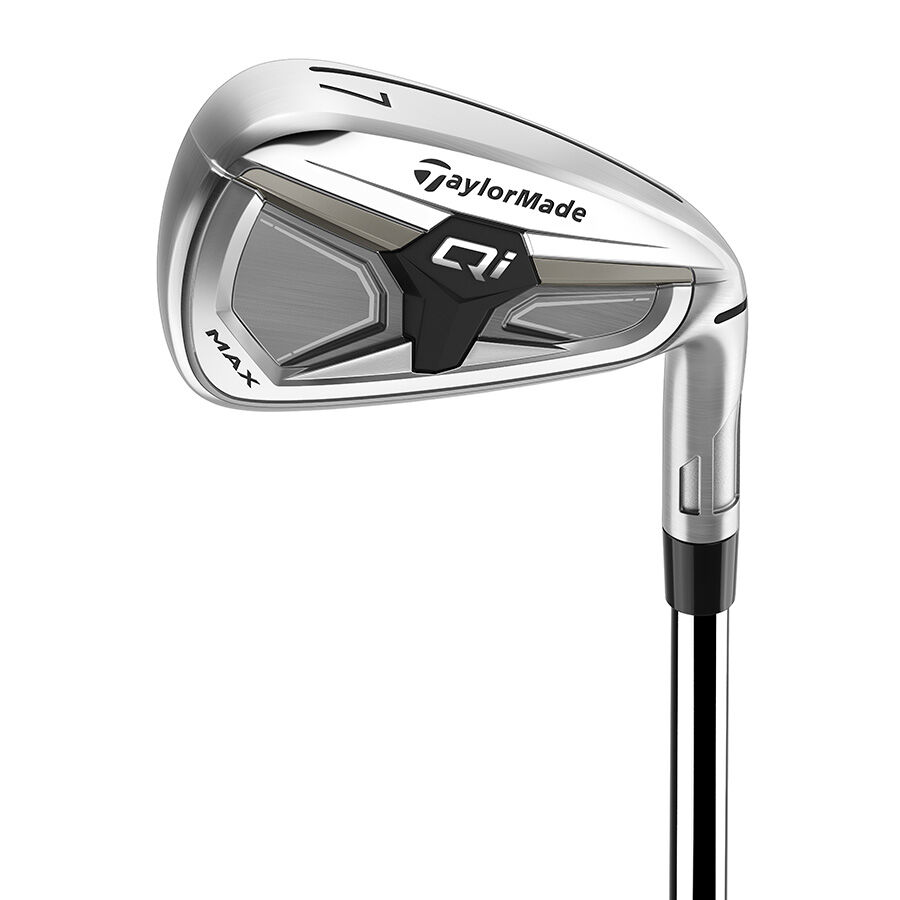
Best Golf Irons for Beginners (2026): 7 Picks for Every Budget and Swing
The best golf irons for beginners in 2026, matched to your budget, swing speed, and biggest flaw. Plain-English picks — no fitting jargon required.
Jun 2, 2026
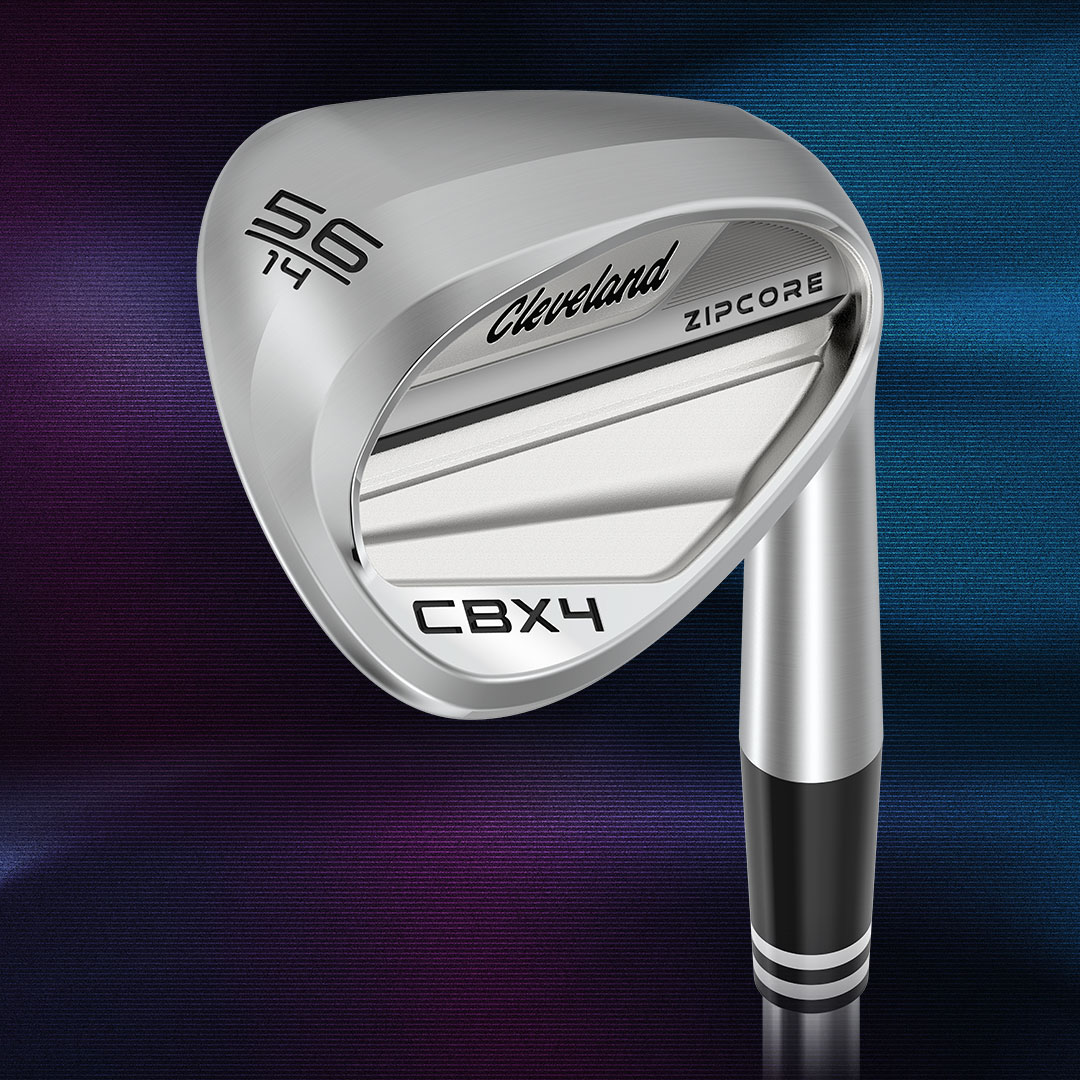
Best golf wedges for beginners (2026): if you only have five minutes, here's what matters
What beginners get wrong buying golf wedges, and the five archetype-matched picks that cover most first-time buyers — plus one budget option under $50.
Jun 4, 2026