The short answer
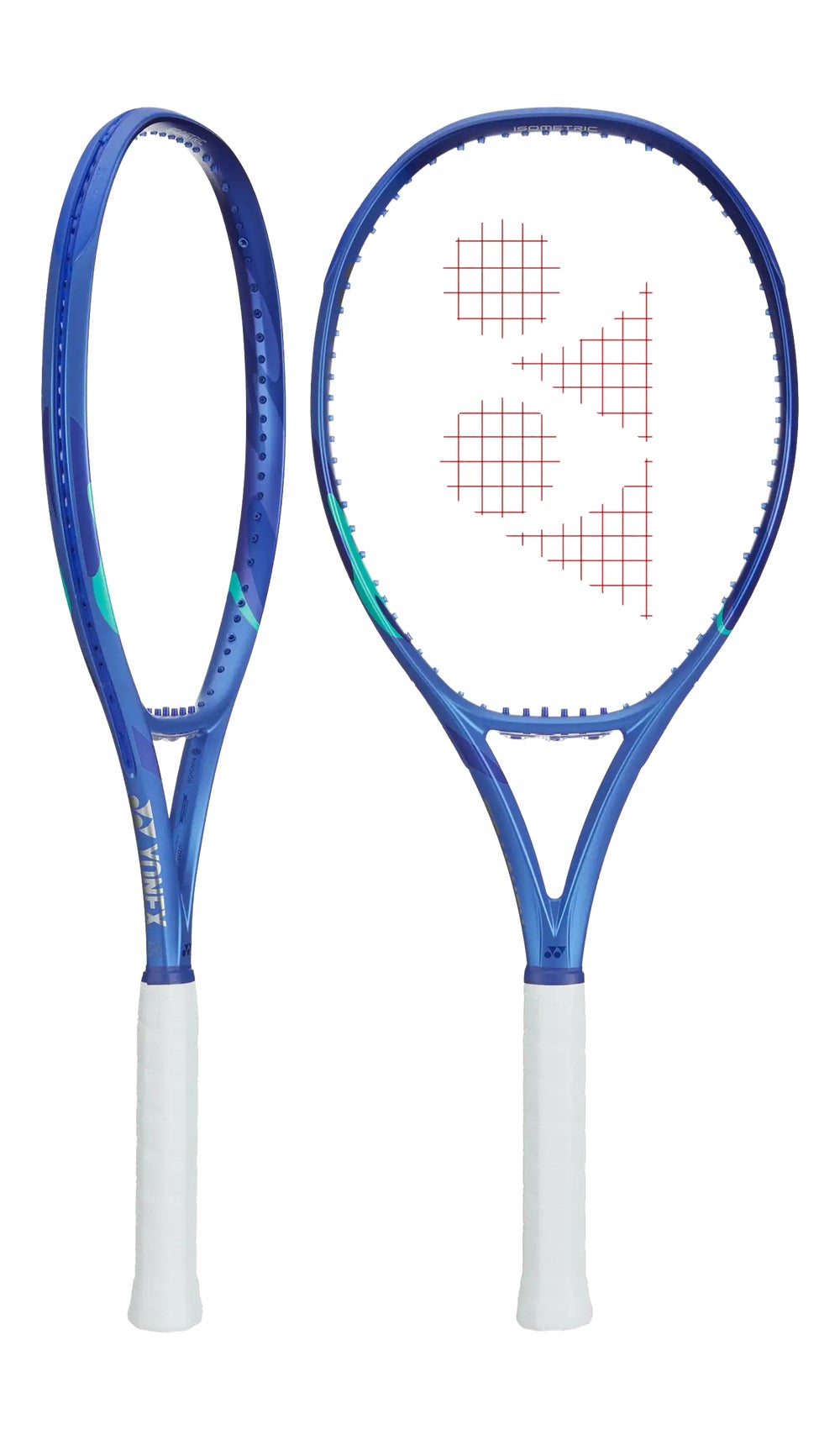
For most intermediates the best all-around pick is the Yonex EZONE 100 — a 100 sq in, 11.2 oz frame with easy power, comfort, and a big sweet spot. On a budget, the $259 Head Boom MP and Speed MP beat many $300 frames. Skip heavy pro player's rackets; they punish a developing game.
GearScout may earn a commission when you buy through links on this page. Prices, availability, and ratings can change, so confirm details with the retailer before purchasing.
Prices last verified July 2026.
You have outgrown your starter racket. Your strokes have developed, you are playing full sets, and that light, oversized beginner frame now sprays balls the moment you swing fast. This guide ranks the seven best tennis rackets for intermediate players — the 3.0 to 4.5 club player ready for a first "real" frame — by the specs that actually change your game at this level, then matches each one to a style of play.
Here is who this is for, and the one thing most "best of" lists miss: intermediate players make two opposite mistakes. Some stay on a whippy 9 to 10 oz beginner frame long after they need real control. Others over-correct and buy a heavy, low-powered pro "player's racket" because a tour pro uses it — then cannot generate their own pace over three sets, and their arm pays for it. The intermediate answer is a "player's tweener": roughly 11 to 11.4 oz strung, 98 to 100 square inches, with a spin-friendly 16x19 string pattern. It gives you free power and spin, plus enough mass to steer the ball. Every pick below fits that brief — you just choose the flavor.
Quick Picks
- Best overall (all-court): Yonex EZONE 100 (2025) — the do-everything frame: easy power, comfort, and a huge sweet spot.
- Best value: Head Boom MP 2026 — forgiving control-power for $259.
- Best all-court control: Head Speed MP 2026 — the most stability here, also $259.
- Best for control and feel: Wilson Blade 98 v10 — the only sub-100 frame, for players with their own pace.
- Best arm-friendly: Wilson Clash 100 v3 — the softest, most comfortable frame on the list.
- Best for power: Babolat Pure Drive 2025 — effortless free depth.
- Best for spin: Babolat Pure Aero 2026 — the topspin baseliner's frame.
New to the level, or not sure you have outgrown your first racket yet? Start with our beginner tennis racket guide — the frames here are the step up from those lighter, oversized starters.
Comparison Table
Prices last verified July 2026 at Tennis Warehouse. All weights and specs are strung, as published by the retailer. In the stiffness (RA) column, a lower number is softer and more arm-friendly; a higher number is firmer with more free power.
| Racket | Price | Head | Strung weight | Swingweight | Stiffness (RA) | Best for |
|---|---|---|---|---|---|---|
| Yonex EZONE 100 (2025) | $305 | 100 sq in | 11.2 oz | 315 | 68 | Best overall / all-court |
| Head Boom MP 2026 | $259 | 100 sq in | 11.0 oz | 316 | 61 | Best value |
| Head Speed MP 2026 | $259 | 100 sq in | 11.2 oz | 329 | 60 | All-court control + stability |
| Wilson Blade 98 v10 | $299 | 98 sq in | 11.4 oz | 322 | 61 | Control and feel |
| Wilson Clash 100 v3 | $299 | 100 sq in | 11.0 oz | 308 | 54 | Arm-friendly / comfort |
| Babolat Pure Drive 2025 | $299 | 100 sq in | 11.2 oz | 317 | 69 | Power |
| Babolat Pure Aero 2026 | $299 | 100 sq in | 11.2 oz | 320 | 66 | Spin |
Two things jump out of that table. First, every frame lands between 11.0 and 11.4 oz strung — that is the intermediate weight band, and it is the single clearest line between these rackets and a beginner frame. Second, the RA spread runs from 54 (Clash, the softest) to 69 (Pure Drive, the stiffest); that column is your arm-comfort dial, and most buyer guides never show it.
Methodology
We built this list by pulling the current, published specifications for all seven frames from Tennis Warehouse on the same day in July 2026, then ranking by what matters to an improving player rather than by marketing copy. We prioritized frames in the intermediate weight band (about 11 oz strung and up), a spin-friendly 16x19 pattern, and a head size between 98 and 100 square inches — the range that balances forgiveness with control. We organized the picks by play style, led with the two budget-friendly value frames, and confirmed each racket is a current, in-stock model with a live US price. Every product image was checked against the retailer's own listing. Prices and stock verified July 31, 2026 — confirm the price at the retailer before you buy, since it can move.
What We Checked
We are transparent about our evidence: GearScout did not hit with these seven rackets on court. Instead, we compared the manufacturers' published specs — head size, strung weight, balance, swingweight, stiffness (RA), beam width, and string pattern — side by side for all seven frames, then verified each one's current US price, stock, and product image against the retailer's live listing. For on-court feel, we lean on the reputations that independent playtesters (Tennis Warehouse University, RacquetGuys, Tennisnerd) have established over many hours of hitting, and we say so plainly rather than dressing spec sheets up as hands-on testing. Where a number drives a real buying decision — the arm-friendly RA figures, the swingweight spread from 308 to 329 — we measured each frame against the others so you can weigh the trade-off yourself. The one truth competitors bury: at this level, the two $259 Head frames outperform several of the $299 to $305 flagships, so you do not need to spend $300 to buy well.
The picks in depth
Best overall: Yonex EZONE 100 (2025) — $305
The EZONE 100 is the frame we would hand almost any intermediate who wants one racket to do everything. Its 100 square-inch isometric head gives a big, forgiving sweet spot; the 11.2 oz weight and 315 swingweight are stable without feeling heavy; and it delivers easy power and spin with more comfort than most frames in its power class. It is the most universally recommended intermediate all-court racket for good reason.
- Best for: the improving all-court player who wants comfortable power, forgiveness, and easy depth in a single frame.
- Avoid if: you want a low-powered control blade or the firmest possible response — at RA 68 this is a lively frame.
- Note: fully in stock in the common 4 3/8 grip; other grip sizes show backorder dates in August and September 2026, so check your grip before ordering.
Best value: Head Boom MP 2026 — $259
The Boom MP is the value story of this list. For $259 you get a genuinely forgiving 100 square-inch player's frame with a soft RA 61 beam, a large sweet spot, and a low 316 swingweight that makes it easy to swing all match. Head's 2026 update adds a boron-reinforced shaft for a more stable, connected feel. It does nothing badly and costs $40 to $46 less than the flagships.
- Best for: the intermediate on a budget who wants comfort, forgiveness, and easy access to power and spin without overpaying.
- Avoid if: you want a decades-proven classic feel or maximum plow-through against big hitters.
Best all-court control: Head Speed MP 2026 — $259
The other $259 steal. The Speed MP is the most stable frame here — its 329 swingweight gives real plow-through that holds up against pace — while its RA 60 beam is the softest-feeling Head in the lineup. It rewards a full, committed swing with controllable power and a plush, connected response. If the Boom MP is the easy-swinging value pick, the Speed MP is the value pick for a player with faster, more developed strokes.
- Best for: the all-court player with a full swing who wants stability, control, and a soft feel at a value price.
- Avoid if: you have a shorter or slower swing — that 329 swingweight needs to be moved — or you want effortless free power.
Best for control and feel: Wilson Blade 98 16x19 v10 — $299
The Blade 98 is the control benchmark of the group and the only sub-100 frame, at 98 square inches. Its flexible-feeling RA 61 layup and 11.4 oz weight deliver the plush, precise, connected response that keeps generations of players loyal to the Blade. This is the frame you grow into as your technique sharpens — it gives back exactly what you put in.
- Best for: the developing player who supplies their own pace and wants pinpoint control and premium feel.
- Avoid if: you still need the frame to generate power for you, or you want maximum forgiveness — the 98 head and 322 swingweight ask for a full, clean swing.
Best arm-friendly: Wilson Clash 100 v3 — $299
If your elbow, wrist, or shoulder talks to you after matches, start here. At RA 54 the Clash 100 is by far the softest frame on this list, and its low 308 swingweight makes it the most maneuverable — easy to whip for spin and quick to handle at the net. Wilson's flexible beam bends in a way that feels almost uniquely comfortable while still finding targets.
- Best for: players with arm sensitivity who still want spin, comfort, and quick handling.
- Avoid if: you want maximum stability and plow-through — the light, flexible build can feel underpowered on flat drives next to a Pure Drive.
Best for power: Babolat Pure Drive 2025 — $299
The Pure Drive is the category benchmark for effortless power and has been for two decades. Its stiff RA 69 beam and lively 100 square-inch head turn a moderate swing into deep, heavy ball — put-away pace on demand. The 2025 version adds flax-fiber dampening to take some sting off the stiff frame, but make no mistake: this is the firmest, most powerful racket here.
- Best for: the flat-to-moderate hitter who wants free depth and easy put-away power.
- Avoid if: you already generate big pace and want more control, or your arm is sensitive — at RA 69 this is the stiffest frame on the list.
Best for spin: Babolat Pure Aero 2026 — $299
The Pure Aero is the definitive intermediate spin frame — the racket that made "spin and launch" a category. Its aero-shaped beam and lively response send the ball up and over with heavy topspin, ideal for western-grip baseliners who swing fast and hit with margin. The 2026 rebuild adds the latest flax dampening, making this the most comfortable Pure Aero yet without dulling its bite.
- Best for: heavy topspin baseliners who swing fast and want the ball to dive.
- Avoid if: you flatten the ball out or want a soft, muted, control-first feel.
Buying Guide
The five specs that actually matter when you step up to an intermediate frame:
- Strung weight. About 11 oz strung is the intermediate floor. A heavier frame is more stable and hits a heavier ball, but it demands a full, committed swing. Everything here sits between 11.0 and 11.4 oz — the sweet spot.
- Swingweight. This is how heavy the racket feels through the swing. Low (around 308, the Clash) is quick and easy to maneuver; high (329, the Speed MP) plows through pace but needs a longer, faster swing. Match it to how fast and long you actually swing.
- Head size. 98 square inches (the Blade) is tighter and more precise; 100 (everything else) adds forgiveness and a bigger sweet spot. Most intermediates are happier at 100.
- Stiffness (RA). The arm-comfort dial. Softer/flexier frames (Clash at 54, Speed MP at 60) are gentler on the arm and more muted; stiffer frames (Pure Drive at 69, EZONE at 68) return more free power but transmit more shock. If your arm complains, buy soft.
- String pattern. Every frame here is 16x19 — a relatively open pattern that grabs the ball for spin and adds a little pop. Denser 18x20 patterns (found on some pro "player's" frames) give more control but less spin and power, which is usually the wrong trade for a developing game.
The players'-frame trap. The most expensive mistake at this level is buying the racket your favorite pro endorses. Full pro "player's" frames — think a Blade 98 in the 18x20 pattern, a Pro Staff 97, or any Tour/Pro model — are heavy and low-powered by design, tuned for players who supply enormous racket-head speed. On a developing game they kill your depth and punish your arm. Buy the frame that fits your swing today; you can always add weight later.
The $300 truth. Flagship frames crept up to $299 to $305 in 2026, but price does not equal performance at this level. The two best value picks — the Head Boom MP and Speed MP — are $259 and genuinely outplay several pricier options. Spend the difference on a fresh string job and a lesson.
Demo before you buy. Spec sheets get you to a shortlist; your arm makes the final call. Tennis Warehouse and most local stringers run demo programs — hit two or three of these back to back for an hour each before you commit. It is the single best habit an intermediate buyer can have.
Ready to kit out the rest of your bag? See our hard-court tennis shoe guide, and browse every guide on the racket sports hub.
Common mistakes intermediate players make
- Buying a pro's racket. Endorsement frames are built for pro swings, not developing ones. Fit the racket to your game.
- Staying on a beginner frame too long. If your light, oversized starter sprays when you swing hard, you have outgrown it — that is a sign to step up, not to swing softer.
- Chasing power when you need control (or the reverse). Decide what your game is missing before you shop. A big hitter usually needs control (Blade, Speed MP); a counter-puncher usually needs help with pace (Pure Drive, EZONE).
- Ignoring stiffness when your arm hurts. Tennis elbow discomfort is often a stiffness-and-string problem. Buy a softer frame (Clash) and a softer string before you blame your technique.
- Skipping the demo. Never buy an intermediate frame unhit if you can help it. A one-hour demo tells you more than any spec table.
- Forgetting strings and tension. The right frame with the wrong string is a wasted upgrade — a fresh multifilament at a sensible tension transforms feel and comfort.
FAQs
What makes a tennis racket right for intermediate players?
An intermediate frame is heavier and more balanced than a beginner racket: roughly 11 to 11.4 oz strung, a 98 to 100 square-inch head, and a spin-friendly 16x19 string pattern. That combination gives you free power and spin while still letting you control the ball as your strokes develop.
How heavy should an intermediate tennis racket be?
About 11 oz strung is the floor. Lighter beginner frames (9 to 10 oz) start to spray once you swing with pace, while full pro frames (11.5 oz and up) demand a big swing. Every racket in this guide sits in the 11.0 to 11.4 oz intermediate band.
Should I choose a 98 or 100 square-inch head?
Pick 100 square inches for more forgiveness, a bigger sweet spot, and easier power — the right call for most intermediates. Choose a 98, like the Wilson Blade, if you already generate your own pace and want tighter control and premium feel.
Do I need a stiff or flexible frame for a sore arm?
If your elbow, wrist, or shoulder bothers you, buy a softer (lower RA) frame. On this list the Wilson Clash 100 v3 is the softest at RA 54, while the Babolat Pure Drive is the stiffest at RA 69. Pairing a soft frame with a soft multifilament string helps most.
Should I demo a racket before buying?
Yes. Specs get you to a shortlist, but only hitting decides it. Tennis Warehouse and most local stringers run demo programs — play two or three frames back to back for about an hour each before you commit.
Do I need to buy the same racket as a pro?
No, and it is usually a mistake. Pro player's frames are heavy and low-powered, tuned for enormous racket-head speed. On a developing game they cost you depth and can hurt your arm. Buy the frame that fits your swing today.
Still deciding where you sit? If you are newer than you think, drop back to the beginner tennis racket guide; when your frame is sorted, lock in your footing with the hard-court tennis shoe guide, or browse the full racket sports hub.
Common questions
Frequently asked questions
- What makes a tennis racket right for intermediate players?
- An intermediate frame is heavier and more balanced than a beginner racket: roughly 11 to 11.4 oz strung, a 98 to 100 square-inch head, and a spin-friendly 16x19 string pattern. That combination gives you free power and spin while still letting you control the ball as your strokes develop.
- How heavy should an intermediate tennis racket be?
- About 11 oz strung is the floor. Lighter beginner frames (9 to 10 oz) start to spray once you swing with pace, while full pro frames (11.5 oz and up) demand a big swing. Every racket in this guide sits in the 11.0 to 11.4 oz intermediate band.
- Should I choose a 98 or 100 square-inch head?
- Pick 100 square inches for more forgiveness, a bigger sweet spot, and easier power — the right call for most intermediates. Choose a 98, like the Wilson Blade, if you already generate your own pace and want tighter control and premium feel.
- Do I need a stiff or flexible frame for a sore arm?
- If your elbow, wrist, or shoulder bothers you, buy a softer (lower RA) frame. On this list the Wilson Clash 100 v3 is the softest at RA 54, while the Babolat Pure Drive is the stiffest at RA 69. Pairing a soft frame with a soft multifilament string helps most.
- Should I demo a racket before buying?
- Yes. Specs get you to a shortlist, but only hitting decides it. Tennis Warehouse and most local stringers run demo programs — play two or three frames back to back for about an hour each before you commit.
- Do I need to buy the same racket as a pro?
- No, and it is usually a mistake. Pro player's frames are heavy and low-powered, tuned for enormous racket-head speed. On a developing game they cost you depth and can hurt your arm. Buy the frame that fits your swing today.
References
Sources
Keep reading
Related guides
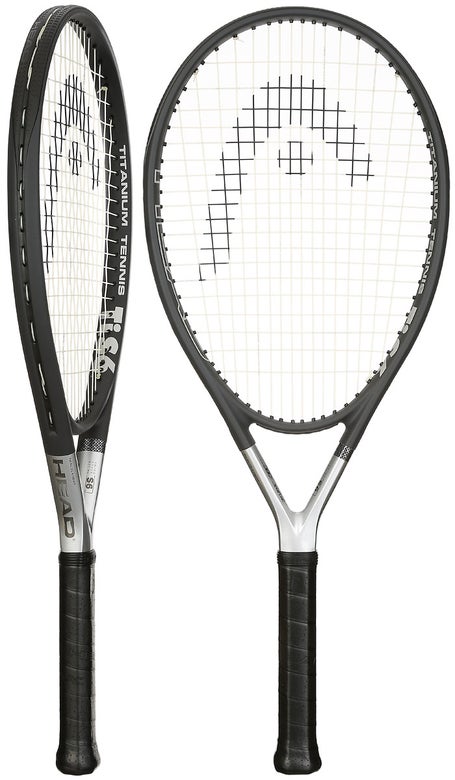
Best Tennis Rackets for Beginners: Picks by Buyer Type (2026)
The best beginner tennis rackets by buyer type: a $30 first frame, the $99 value champ, and arm-friendly picks you'll grow into — plus what to skip.
Jul 29, 2026
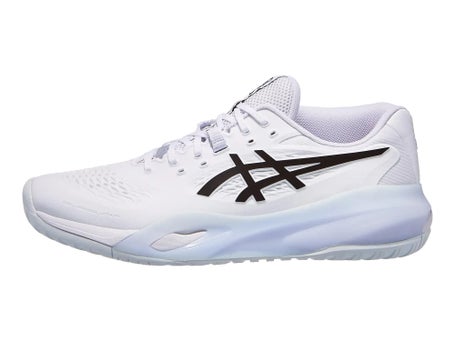
Best Tennis Shoes for Hard Courts (2026): 6 Durable Picks by Outsole Warranty
The best tennis shoes for hard courts in 2026, ranked by outsole durability and the 6-month wear-through warranty — from $79 to $170.
Jul 29, 2026
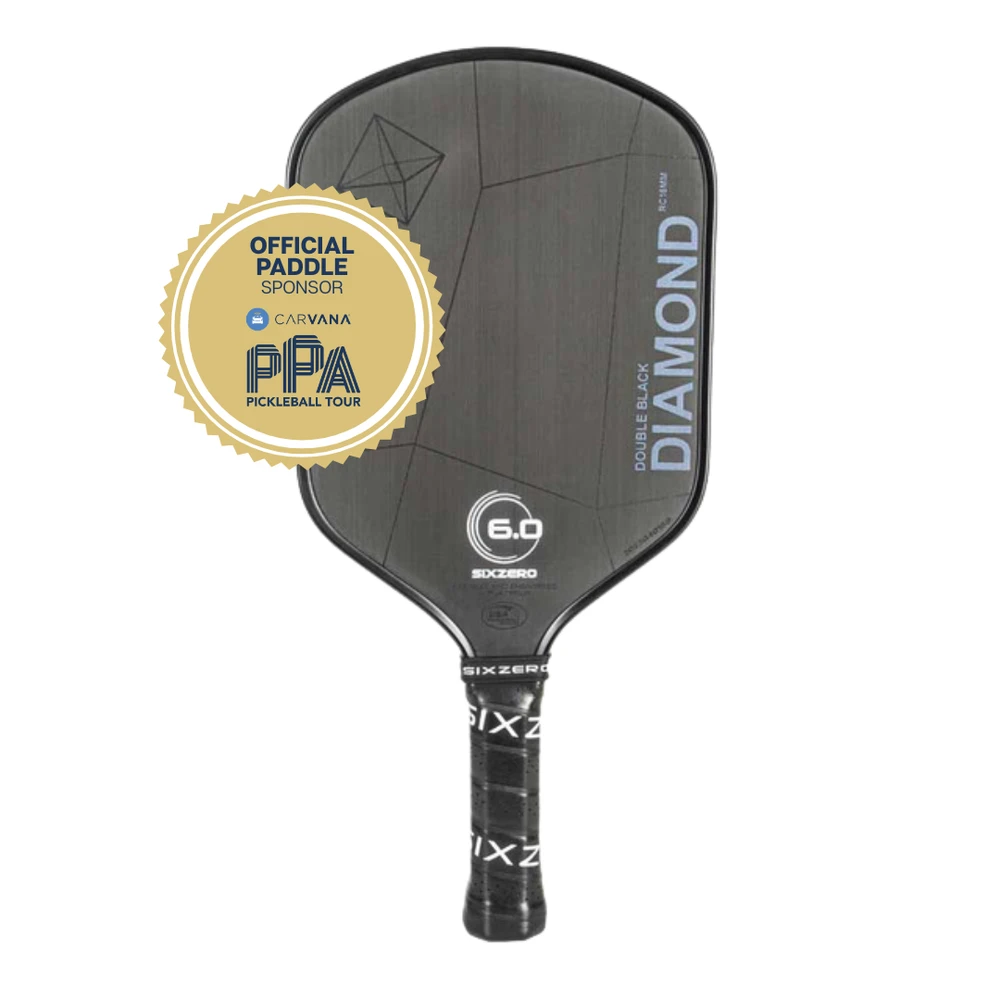
Best pickleball paddles for control (2026): 7 soft, forgiving picks
The best control pickleball paddles for 2026, from the $99.99 Vatic Pro Prism to the premium JOOLA Perseus, ranked by soft feel, shape, and forgiveness.
Jul 28, 2026

Best Pickleball Paddles for Advanced Players (2026): 9 Ranked by Twist Weight
Nine advanced pickleball paddles ranked by published twist weight - 5.88 to 7.05 - with verified US prices from $75.00 to $279.99, checked September 2026.
Sep 2, 2026