
The short answer
Incline is published two incompatible ways: 45% grade is 24.2 degrees, while 6.69 degrees is only 11.7%. Ranked by vertical feet climbed per mile, Sunny's SF-X7210 ($2,199.99) buys the most climb per dollar at $0.93 a foot. If you want to run uphill rather than walk, 15% is the real ceiling and the SOLE TT8 ($2,499.99) wins.
GearScout may earn a commission when you buy through links on this page. Prices, availability, and ratings can change, so confirm details with the retailer before purchasing.
Prices last verified August 2026.
Every treadmill in this guide is sold as an "incline treadmill." Their maximum grades run from 11.4% to 50% — a 4.4x spread in how much you actually climb — and two of them publish the number in degrees while the other six publish it as a percentage. Nobody converts. This page does, and the ranking changes when you do.
Quick Picks
| Pick | Max grade | Vertical ft climbed per mile | Price | Verdict |
|---|---|---|---|---|
| Sunny SF-X7210 | 45.0% (24.23°) | 2,376 | $2,199.99 | Most climb per dollar on the page, by a distance |
| Sunny SF-X7200 | 50.0% (26.57°) | 2,640 | $2,999.99 | Steepest verified grade here — and a walking machine |
| SOLE TT8 | 15.0% (8.53°) | 792 | $2,499.99 | Best if you want to run uphill, not walk |
| Horizon 7.4 AT | 15.0% (8.53°) | 792 | $1,799.00 | Cheapest full 22-inch by 60-inch deck at a true 15% |
| Horizon 7.8 AT | 15.0% (8.53°) | 792 | $1,999.00 | Same grade, more capacity, best-documented spec sheet |
| SOLE F89 | 15.0% (8.53°) | 792 | $2,599.99 | Decline plus a fold — and the priciest climb here |
| Sunny SF-T722052 | 11.7% (6.69°) | 619 | $1,199.99 | Quiet brushless motor, but it cannot reach 12% |
| Sunny SF-T723017 | 11.4% (6.50°) | 602 | $999.99 | Cheapest real decline; smallest published grade |
Comparison Table
Prices last verified August 2026. Every price is the brand's own US direct listing, read from its storefront on 12 August 2026. Five of the eight are discounted from a higher regular price, shown in brackets.
| Pick | Max grade | Degrees | Vert ft/mile | Top speed at that grade | Decline | Deck | Capacity | Price |
|---|---|---|---|---|---|---|---|---|
| Sunny SF-X7200 | 50.0% | 26.57° | 2,640 | 5 mph | -5% | 18-20 in wide | 330 lb | $2,999.99 |
| Sunny SF-X7210 | 45.0% | 24.23° | 2,376 | 3.7 mph | -3% | 51.2 in | 300 lb | $2,199.99 |
| SOLE F89 | 15.0% | 8.53° | 792 | 12 mph | -6 levels | 22 x 60 in | 375 lb | $2,599.99 ($3,099.99) |
| SOLE TT8 | 15.0% | 8.53° | 792 | 12 mph | -6 levels | 22 x 60 in | 400 lb | $2,499.99 ($2,899.99) |
| Horizon 7.8 AT | 15.0% | 8.53° | 792 | 12 mph | none | 22 x 60 in | 375 lb | $1,999.00 ($2,699.00) |
| Horizon 7.4 AT | 15.0% | 8.53° | 792 | 12 mph | none | 22 x 60 in | 350 lb | $1,799.00 ($2,399.00) |
| Sunny SF-T722052 | 11.7% | 6.69° | 619 | 12 mph | none | 55 x 20 in | 300 lb | $1,199.99 |
| Sunny SF-T723017 | 11.4% | 6.50° | 602 | 12 mph | -5.1% | 55 x 20.1 in | 300 lb | $999.99 |
What "incline" actually means
Three numbers describe the same slope, and treadmill marketing uses whichever one flatters the machine.
Percent grade is rise over run. A 15% grade climbs 15 feet for every 100 feet you travel forward. This is what most treadmill brands print.
Degrees is the angle. It is a much smaller-sounding number for the same hill: a 15% grade is 8.53°, and a 50% grade is 26.57°. Sunny Health and Fitness publishes degrees on its two cheaper machines and percent on its two expensive ones — on the same storefront, in the same product family.
Vertical feet climbed per mile is the one that means something to your legs. It is 5,280 x grade, so a 15% treadmill lifts you 792 feet for every horizontal mile, and a 50% treadmill lifts you 2,640.
Here is the conversion table this category needs and does not have:
| Grade | Degrees | Vertical ft per mile |
|---|---|---|
| 11.4% | 6.50° | 602 |
| 11.7% | 6.69° | 619 |
| 12% | 6.84° | 634 |
| 15% | 8.53° | 792 |
| 20% | 11.31° | 1,056 |
| 40% | 21.80° | 2,112 |
| 45% | 24.23° | 2,376 |
| 50% | 26.57° | 2,640 |
The practical consequence: "40% incline" is a 21.8° slope, not a 40° one. A machine advertising 40% is steep, but it is not the near-cliff the number implies. And in the other direction, a machine advertising "6.69°" sounds gentle and is in fact an 11.7% grade — steeper than most people ever set a treadmill to.
The 12-3-30 problem
The People Also Ask block on this search is dominated by the 12-3-30 workout: 12% incline, 3 mph, 30 minutes. It is the single reason incline treadmills became a category people shop for.
Two of the eight machines here cannot do it. The Sunny SF-T722052 publishes a ceiling of 6.69°, which is 11.7%. The Sunny SF-T723017 publishes 6.5°, which is 11.4%. Both are marketed as auto-incline treadmills. Both appear in the shopping rails on this exact query. Neither reaches 12% on the manufacturer's own published figure.
For what it is worth, 12-3-30 is 1.5 miles at 12% grade, which works out to 950 vertical feet.
Methodology
We did not run on any of these machines. Nobody independently lab-measures treadmill grade either, so every incline, deck, motor and capacity figure below is the manufacturer's own published specification. What we contributed is the arithmetic and the cross-checking, and we have shown every formula so you can re-run it.
How the ranking was built:
- Pull the price, stock and SKU from the brand's own storefront, not a marketplace or an aggregator. All eight came from the brand's Shopify product endpoint on 12 August 2026; all eight read as available.
- Read the published incline spec verbatim and record the unit it was published in. Two brands publish "levels," one publishes degrees on some models and percent on others.
- Convert everything to one unit. Degrees to grade via
tan, grade to vertical feet per mile via5,280 x grade. - Divide price by climb to get dollars per vertical-foot-per-mile — the only way to compare a $999.99 machine with a $2,999.99 one on the feature you are actually buying.
- Record the top speed available at maximum incline, which is a separate published figure on two machines and turns out to matter more than anything else here.
- Rank on usable climb, not headline percentage. A machine that reaches 45% but caps you at 3.7 mph is a different product from one that reaches 15% at 12 mph, and the raw percentage hides that completely.
Products were excluded when the evidence was not there. Two well-known machines are discussed below but are not picks, for reasons that are about evidence rather than quality.
On brand concentration: four of the eight picks are Sunny Health and Fitness. That is not a preference. On the day we captured this, Sunny was the only brand with in-stock machines at both ends of the incline range — SOLE's entire 2026 F-series except the F89 read as unavailable, BowFlex's whole treadmill line read as temporarily unavailable, and every LifeSpan home treadmill read as out of stock.
What We Checked
We verified, on 12 August 2026:
- All eight product pages returned HTTP 200 under a normal browser user agent.
- All eight product images returned HTTP 200 with an image content type, and we opened four of them to confirm they were clean studio shots of the correct machine with the right model number printed on the frame. This matters more than it sounds: we have previously found manufacturer images with sales badges burned into the pixels, and images labelled with one model that show another.
- Six specification conflicts, which we have left visible rather than resolving by guess:
- The Sunny SF-T723017 publishes an incline range of -2.9° to 6.5°, which converts to -5.1% to 11.4%. Its own console quick-keys are labelled -6, -3, 0, 3, 6, 9 and 12. If those keys are percentages, the machine does reach 12% and the degrees field understates it. The two fields disagree and there is no way to settle it from published data. We ranked on the published spec field and are telling you about the other one.
- The Sunny SF-X7200 carries an engineering spec of 0.3 to 5 mph and a merchandising tag reading "4 mph to 8 mph." We used the engineering spec.
- The same machine publishes deck width (18 to 20 inches) but no deck length, so we could not compute how far its deck rises. We left that cell empty rather than estimating it.
- SOLE publishes incline as "levels" rather than percent on both the TT8 and the F89. Its levels map one-to-one to percent across the range, which is why we treat 15 levels as 15%, but the label itself is ambiguous.
- Horizon publishes no motor horsepower for either the 7.8 AT or the 7.4 AT. We left it out rather than sourcing it from somewhere else.
- Both Horizon machines fold taller than they stand: the 7.8 AT goes from 64 inches to 71 inches, the 7.4 AT from 63 to 71. If a low ceiling is your issue, see our guide to the best folding treadmill for small spaces.
Two machines you would expect to see here, and why they are not picks:
NordicTrack Commercial X22i. This is the machine that created the 40% category, and its specifications are published clearly on NordicTrack's own product page: -6% decline to 40% incline, a 22-inch by 60-inch belt, a 4.0 CHP motor, 300 lb user capacity, a 70 by 39 by 72.5 inch footprint and 417 lb in the box. At 40% it climbs 2,112 vertical feet per mile. What NordicTrack does not publish anywhere we could reach is a price — the product page renders none, and the structured product data on that page has no offer attached at all. We are not going to quote a price we cannot source from the seller, so the X22i is described here and left out of the ranked list. It is worth noting that NordicTrack also ranks its own "best incline treadmill" article at position four for this search.
BowFlex Treadmill 22 and T16. The Treadmill 22 lists at $2,799 with a 20% incline and a -5% decline, which would slot it neatly between the 15% tier and the Sunny climbers; the T16 lists at $1,999 with 15%. Both product pages read "This item is temporarily unavailable" with a waitlist, and BowFlex's product catalogue endpoint now returns a gone status. They still appear in this search's shopping rails at $1,499 to $2,799. We are not ranking machines you cannot buy.
The picks in detail
Sunny SF-X7210 — $2,199.99
The most vertical feet per dollar on this page, and it is not close: $0.93 per vertical-foot-per-mile, against $2.27 for the cheapest 15% machine and $3.28 for the most expensive one. It climbs -3% to 45%, which is 24.23°, and Sunny publishes its incline levels as -3 to 40.
The catch is published right there on Sunny's spec sheet, in a field almost nobody reads. This machine has two speed ranges: 0.5 to 10 mph in running mode, and 0.5 to 3.7 mph in Climb Mode. You get the 45% grade or you get to run. Not both.
At 300 lb capacity, a 2.5 HP peak DC motor and 191.8 lb, it is also the lightest machine in the steep tier by a long way — the SF-X7200 is 303.8 lb. And the deck is short: 51.2 inches of running surface against 60 on the SOLE and Horizon machines. On a steep grade your stride shortens, so that matters less than it would on the flat, but it is still the smallest deck here.
One number worth knowing before you buy: at 45% on a 51.2-inch deck, standing at the middle of the belt puts your head 10.5 inches higher than it sits at zero. Add that to your own height and the deck's step-up height, and a basement with an 8-foot ceiling gets tight for anyone tall.
- Best for: hiking and rucking preparation, steep walking intervals, anyone buying incline by the dollar
- Avoid if: you want to run at incline, or you need a long deck
Check the Sunny SF-X7210 at Sunny Health and Fitness — $2,199.99 listed, verified 12 August 2026.
Sunny SF-X7200 — $2,999.99
The steepest verified machine here: -5% to 50%, which is 26.57°, in 56 steps, with quick-keys for 0%, 25% and 50%. At 50% it lifts you 2,640 vertical feet per horizontal mile — a third more than the 40% incline trainers that define the category, and 4.4 times the shallowest machine on this page.
It is also, unambiguously, a walking machine. Sunny's engineering spec gives a speed range of 0.3 to 5 mph, full stop, at any incline. There is a merchandising tag on the same page claiming 4 to 8 mph; we went with the engineering figure and you should assume this is a machine you walk on.
For that use it is well built. The 5.0 HP peak AC motor is the only AC motor in this set, the 330 lb capacity is the highest of the two climbers, and at 303.8 lb assembled it is not going anywhere. Sunny ships it with in-home delivery, which given the weight is not a luxury.
The honest complaint is the deck. Sunny publishes a running deck width of 18 to 20 inches and no length at all, on a machine whose footprint is only 53.1 inches long. That is short, and it is the one spec we would want before spending three thousand dollars.
- Best for: the steepest sustained climbing you can buy at this price, hiking and rucking training, high user weight
- Avoid if: you want to run at all, or you want a published deck length
Check the Sunny SF-X7200 at Sunny Health and Fitness — $2,999.99 listed, verified 12 August 2026.
SOLE TT8 — $2,499.99
If you want to run uphill rather than walk uphill, this is the pick, and 15% is the ceiling you are choosing from. The TT8 does -6 to 15 levels of incline and decline on a full 22 by 60 inch belt, at up to 12 mph, with a 400 lb user capacity — the highest of any machine here. The 4.0 HP motor and 319 lb frame are sized for it.
At 15% it climbs 792 vertical feet per mile, which is a third of the SF-X7200. But you can hold 12 mph there, and at each machine's own ceiling for half an hour the TT8 actually out-climbs the 45% SF-X7210: 4,752 vertical feet against 4,396, because the Sunny throttles to 3.7 mph and the SOLE does not. That is a theoretical comparison — nobody runs 12 mph at 15% for thirty minutes — but it shows the shape of the trade.
The 15.6-inch touchscreen is smaller than the F89's and the machine does not fold. Both are fine trades for a dedicated room. Note it was discounted from $2,899.99 when we checked.
- Best for: running at incline, heavier users, anyone who wants decline as well
- Avoid if: you need grades above 15%, or the machine has to fold away
Check the SOLE TT8 at SOLE Fitness — $2,499.99 listed, down from $2,899.99, verified 12 August 2026.
Horizon 7.4 AT — $1,799.00
The cheapest way onto a full-size 22 by 60 inch running deck with a genuine 0 to 15% incline, at $2.27 per vertical-foot-per-mile. It runs to 12 mph, carries 350 lb, and weighs 318 lb assembled.
Horizon's spec sheet is the most forthcoming in this set. It is the only one that tells you the deck is 0.8 inches (20 mm) thick and the belt is 1.6 mm silicone — specifications that determine how a treadmill feels underfoot and that almost nobody publishes. It also publishes folded dimensions, which is rarer than it should be.
It does not do decline, and Horizon publishes no motor horsepower for it. It also folds to 71 inches tall from a standing 63, so folding it makes the ceiling problem worse rather than better.
Against its own sibling the 7.8 AT, you give up 25 lb of capacity and a little frame mass for $200. For most people that is the right side of the trade.
- Best for: the value pick for running at 15%; the best-documented spec sheet here
- Avoid if: you want decline, or you are near the 350 lb capacity
Check the Horizon 7.4 AT at Horizon Fitness — $1,799.00 listed, down from $2,399.00, verified 12 August 2026.
Horizon 7.8 AT — $1,999.00
The same 0 to 15% incline and the same 22 by 60 inch XL deck as the 7.4 AT, with 375 lb capacity instead of 350 and a heavier 330 lb frame. At $2.52 per vertical-foot-per-mile it is still the second-cheapest climb among the 15% machines.
This is the one to buy if you are doing hard incline intervals and want the extra mass under you, or if you are near the lighter machine's weight limit. Like the 7.4 AT it publishes complete folded dimensions (42 by 37 by 71 inches) and, like the 7.4 AT, it gets taller folded than standing.
No decline, and again no published motor horsepower. It was discounted from $2,699.00 when we checked, which is the largest single discount in this set.
- Best for: incline intervals with a heavier, more planted frame; higher user weight
- Avoid if: you want decline, or the 7.4 AT's 350 lb capacity is already enough
Check the Horizon 7.8 AT at Horizon Fitness — $1,999.00 listed, down from $2,699.00, verified 12 August 2026.
SOLE F89 — $2,599.99
The most complete 15% machine here, and the most expensive climb on the page at $3.28 per vertical-foot-per-mile. That is 3.5 times what the SF-X7210 charges for the same unit of vertical gain — and $400 more money for 1,584 fewer vertical feet per mile.
What the money buys is everything except grade: -6 to 15 levels of incline and decline, a 22 by 60 inch belt, a 4.0 HP motor, 375 lb capacity, a 21.5-inch 1920 by 1080 touchscreen (the biggest here), an aluminium Z-frame that folds via a release lever, and a lifetime frame and motor warranty. If you want decline and a machine that folds, this is the only pick in this guide that does both.
The fold has the same quirk as the Horizons: 68 inches standing, 71 inches folded. It was discounted from $3,099.99 when we checked.
- Best for: decline plus folding, the biggest screen, the strongest warranty
- Avoid if: climbing per dollar is the point of the purchase
Check the SOLE F89 at SOLE Fitness — $2,599.99 listed, down from $3,099.99, verified 12 August 2026.
Sunny SF-T722052 (Astra Elite) — $1,199.99
The interesting budget machine here, with one disqualifying caveat depending on why you are shopping.
The caveat first: Sunny publishes its incline range as 0.66° to 6.69°, which converts to a 1.2% to 11.7% grade. It does not reach 12%. If you are buying this to do 12-3-30, it will not do 12-3-30. It is also the only machine in this guide whose deck never goes properly flat — the minimum is 0.66°, so there is always a slight rise.
What is genuinely good: a brushless motor at this price, which is quieter and lasts longer than the brushed DC motors typical here; a full 0.6 to 12 mph speed range, so you can actually run on it; a 55 by 20 inch belt; 300 lb capacity; and at 167.6 lb it is the lightest machine in this guide and folds to 40.6 by 33.9 by 60.2 inches.
At $1.94 per vertical-foot-per-mile it is better value on climb than any of the 15% machines, which is a strange thing to be able to say about a machine that tops out at 11.7%.
- Best for: a quiet, light, genuinely runnable treadmill with moderate incline on a budget
- Avoid if: you need 12% or more, or you want decline
Check the Sunny SF-T722052 at Sunny Health and Fitness — $1,199.99 listed, verified 12 August 2026.
Sunny SF-T723017 (Excel) — $999.99
The cheapest machine here and the cheapest way to get real decline, at $999.99 with a published range of -2.9° to 6.5° — that is -5.1% to 11.4% in grade terms.
This is also the pick with the unresolved contradiction we flagged above. Sunny's spec field says 6.5° maximum. Sunny's own console quick-keys on the same product page are labelled -6, -3, 0, 3, 6, 9 and 12. If those are percentages, this machine reaches 12% and the spec field is understating it by more than half a degree. We cannot settle it from the outside, so we ranked it on the published spec and we are telling you the other number exists. If 12% specifically is your requirement, ask Sunny before you buy.
Everything else is solid for the money: a 4.0 HP peak motor, 0.6 to 12 mph, a 55 by 20.1 inch belt, 300 lb capacity, 22 incline steps, and it folds to 46.5 by 32.9 by 55.5 inches at 186.6 lb.
- Best for: the lowest-cost entry to incline and decline; anyone who wants to run as well as climb
- Avoid if: you need a verified 12%, or you want a grade the mid-tier machines can hit
Check the Sunny SF-T723017 at Sunny Health and Fitness — $999.99 listed, verified 12 August 2026.
The steepest machines are also the slowest
This is the trade nobody in this search result frames, and it decides the purchase.
At equal effort — everyone walking 3.0 mph for thirty minutes, which is 1.5 miles — the steep machines are transformative:
| Pick | Grade | Vertical ft in 30 min at 3 mph |
|---|---|---|
| Sunny SF-X7200 | 50.0% | 3,960 |
| Sunny SF-X7210 | 45.0% | 3,564 |
| SOLE and Horizon machines | 15.0% | 1,188 |
| Sunny SF-T722052 | 11.7% | 929 |
| Sunny SF-T723017 | 11.4% | 902 |
Three times the climb, same half hour, same walking pace. That is a real difference and it is why the steep tier exists.
But run each machine at its own ceiling instead — maximum grade at the fastest speed it permits there — and the order changes:
| Pick | Grade at top speed | Distance | Vertical ft in 30 min |
|---|---|---|---|
| Sunny SF-X7200 | 50% at 5 mph | 2.50 mi | 6,600 |
| SOLE and Horizon machines | 15% at 12 mph | 6.00 mi | 4,752 |
| Sunny SF-X7210 | 45% at 3.7 mph | 1.85 mi | 4,396 |
| Sunny SF-T722052 | 11.7% at 12 mph | 6.00 mi | 3,716 |
| Sunny SF-T723017 | 11.4% at 12 mph | 6.00 mi | 3,609 |
The 45% machine finishes below every 15% machine, purely because its Climb Mode caps at 3.7 mph. To be clear, the 15% row assumes 12 mph held for half an hour, which is a machine ceiling and not a workout almost anyone will do — it is there to show the shape of the trade, not as a training plan. But the direction is real: past about 20%, buying more grade costs you speed, and whether that is a good deal depends entirely on whether you walk or run.
Who this is for: matching grade to what you actually do
- You walk, and you want the hardest walk you can get. Buy grade. The SF-X7210 at 45% is the value play; the SF-X7200 at 50% is the maximum. Their speed limits cost you nothing because you were never going to use the speed.
- You run, and you want hills in your running. 15% is the ceiling of what is available with a real deck and a real top speed. The SOLE TT8 if you want decline and 400 lb capacity, the Horizon 7.4 AT if you want the same grade for $700 less.
- You are training for a hike, a ruck or a mountain race. Grade beats speed and it is not close. The steep tier gives you three times the vertical for the same session. If you also run trails, our guide to the best trail running shoes for beginners covers the other half of that preparation.
- You are on a budget and just want incline that works. The Sunny SF-T723017 at $999.99 does incline and decline and runs to 12 mph. Just go in knowing its published ceiling is 11.4%.
- You are also short on floor space. These are big machines. Our companion guide to the best folding treadmill for small spaces ranks a completely different set of machines on folded footprint — there is no overlap between the two lists, which tells you something about how much a fold costs you in capability.
- You are putting this on a garage slab. A 330 lb machine on concrete needs a surface under it. See our guide to the best gym flooring for garage for what actually works under equipment this heavy.
Common mistakes to avoid
- Reading percent as degrees. A 40% incline is 21.8°, not 40°. If a machine's spec sounds implausibly steep, convert it before you get excited.
- Reading degrees as percent. The reverse mistake is worse because it goes the other way: a machine advertising "6.69°" is an 11.7% grade, which is genuinely steep, and buyers dismiss it because the number is small.
- Buying maximum grade when you intend to run. Both 45%-plus machines here cap your speed — one at 3.7 mph in Climb Mode, one at 5 mph outright. If your plan involves running, that is not a compromise, it is a different product.
- Assuming "auto incline" means 12% or more. Two machines in this guide are marketed as auto-incline treadmills and publish ceilings under 12%. Read the number, not the feature name.
- Ignoring ceiling height. At 45% on a 51-inch deck you stand 10.5 inches higher than you do flat. Add that to your height and the step-up height before you commit to a basement with 8-foot ceilings.
- Paying for grade you will never select. If you have never gone past 10% on a gym treadmill, a 50% machine is $3,000 for a setting you will not use. The Horizon 7.4 AT is a better buy than a climber you leave at 8%.
- Forgetting decline. Only three machines here decline at all. Downhill loads your quads very differently from flat running, and if you are training for a point-to-point mountain race it is the half of the course most people never rehearse.
- Trusting a spec because it is on the box. Two of the six conflicts we found were between two fields on the same manufacturer's own page.
Buying Guide
Start with the verb, not the number. Walking and running are different purchases here, and the incline spec is what separates them. Everything above about 20% grade in this price band comes with a speed cap. Decide which you are doing first and the list halves immediately.
Convert before you compare. Grade, degrees and vertical feet per mile are three descriptions of one slope, and brands mix them freely. degrees = arctan(grade / 100) and vertical feet per mile = 5,280 x grade. It takes ten seconds and it is the difference between comparing machines and comparing marketing.
Then divide by price. Dollars per vertical-foot-per-mile ranges from $0.93 to $3.28 across these eight machines, and it does not track price — the $2,199.99 machine offers the cheapest climb and the $2,599.99 machine the most expensive. If grade is the feature you are buying, that ratio is the only price comparison that means anything.
Deck length matters more than deck width for running. A 60-inch belt is the practical minimum for running at pace; 55 inches is fine for walking and jogging. Two machines here do not publish a deck length at all, which should factor into how you weigh them.
Check the capacity headroom, not just the limit. Treadmill weight ratings are steady-state figures and running loads a deck at several times body weight. The 400 lb rating on the TT8 and 375 lb on the F89 and 7.8 AT buy margin, not just permission.
Assume you will need a floor. Every machine here is between 167 lb and 330 lb before you stand on it. On a suspended floor that is a noise question; on a concrete slab it is a vibration and levelling question. Budget for it.
Watch the fold direction. Three machines here fold taller than they stand. If your reason for wanting a fold is a low ceiling rather than floor area, folding is not the answer and you should be shopping the compact tier instead.
Buy on the published spec and hold the seller to it. Where a manufacturer publishes two numbers that disagree, ask before you order. We found six such conflicts across eight machines; that rate is not unusual in this category and it is the strongest argument for reading the spec sheet rather than the headline.
For the rest of the running kit, the running pillar collects every guide we have, and if you are building toward a race the best GPS watches for marathon training and the best max cushion running shoes for long runs are the natural companions to a machine like this.
Common questions
Frequently asked questions
- Is treadmill incline measured in percent or degrees?
- Both, and they are not interchangeable. Percent grade is rise over run; degrees is the angle. A 15% grade is 8.53 degrees and a 50% grade is 26.57 degrees, so the same slope always looks far steeper as a percentage. Convert with degrees = arctan(grade divided by 100) before comparing two machines.
- What does 40% incline actually feel like?
- It is a 21.8 degree slope that lifts you 2,112 vertical feet for every horizontal mile walked. That is roughly a steep hiking trail rather than a cliff. Most people cannot run at that grade at all, which is why machines in the 40-to-50% range cap your top speed between 3.7 and 5 mph.
- Can every incline treadmill do the 12-3-30 workout?
- No. Two machines in this guide publish maximum grades under 12% - the Sunny SF-T722052 at 11.7% and the SF-T723017 at 11.4% - despite both being marketed as auto-incline treadmills. Check the published incline number rather than the feature name, and convert it if it is quoted in degrees.
- Why do the steepest treadmills have the lowest top speeds?
- Holding a runner on a 45 to 50% grade demands far more torque than holding one on a flat belt, and the drive systems in this price band are sized for one or the other. Sunny's SF-X7210 publishes a 10 mph running range but only 3.7 mph in Climb Mode; the SF-X7200 tops out at 5 mph at any grade.
- Do I need decline as well as incline?
- Only if you train for terrain that goes back down. Downhill loads the quadriceps very differently from flat or uphill running, so it matters for point-to-point mountain races and hiking preparation. Three machines here decline: the SOLE TT8 and F89 to -6 levels, and the Sunny SF-T723017 to about -5.1%.
- Will a high-incline treadmill fit under an 8-foot ceiling?
- Check the arithmetic before you buy. On the Sunny SF-X7210, standing at the middle of a 51.2-inch deck at 45% puts your head about 10.5 inches higher than at zero incline. Add that to your own height plus the machine's step-up height, which most brands do not publish, and tall users get tight fast.
- Is a more expensive treadmill always a steeper one?
- No, and on this page the relationship inverts. The $2,199.99 Sunny SF-X7210 offers the cheapest climb at $0.93 per vertical-foot-per-mile, while the $2,599.99 SOLE F89 is the most expensive at $3.28 - a 3.5x spread in which the pricier machine climbs a third as much per mile.
- What is the difference between an incline treadmill and an incline trainer?
- Incline trainer is the industry's name for machines reaching roughly 40% grade, such as NordicTrack's Commercial X22i. Buyers do not use the term - it draws about 20 US searches a month against 12,100 for incline treadmill - so review sites optimising for it are answering a question almost nobody asks.
References
Sources
- Sunny Health & Fitness SF-X7200 Commercial Level Ultimate Incline Decline Treadmill - specs and price
- Sunny Health & Fitness SF-X7210 Premium Ultimate Incline Decline Treadmill - specs and price
- Sunny Health & Fitness SF-T722052 Astra Elite - specs and price
- Sunny Health & Fitness SF-T723017 Excel Smart Incline/Decline - specs and price
- SOLE TT8 Treadmill - specification table and price
- SOLE F89 Treadmill - specification table and price
- Horizon Fitness 7.8 AT Treadmill - machine specs
- Horizon Fitness 7.4 AT Treadmill - machine specs
- NordicTrack Commercial X22i Incline Trainer - published specifications
- BowFlex Treadmill 22 - specifications and availability
- BowFlex T16 Treadmill - specifications and availability
Keep reading
Related guides

Best folding treadmill for small spaces: 8 picks ranked by folded footprint
Eight folding treadmills from $449-$2,000 ranked by folded floor area, folded height and deck length - the specs makers bury. Verified August 2026.
Aug 8, 2026
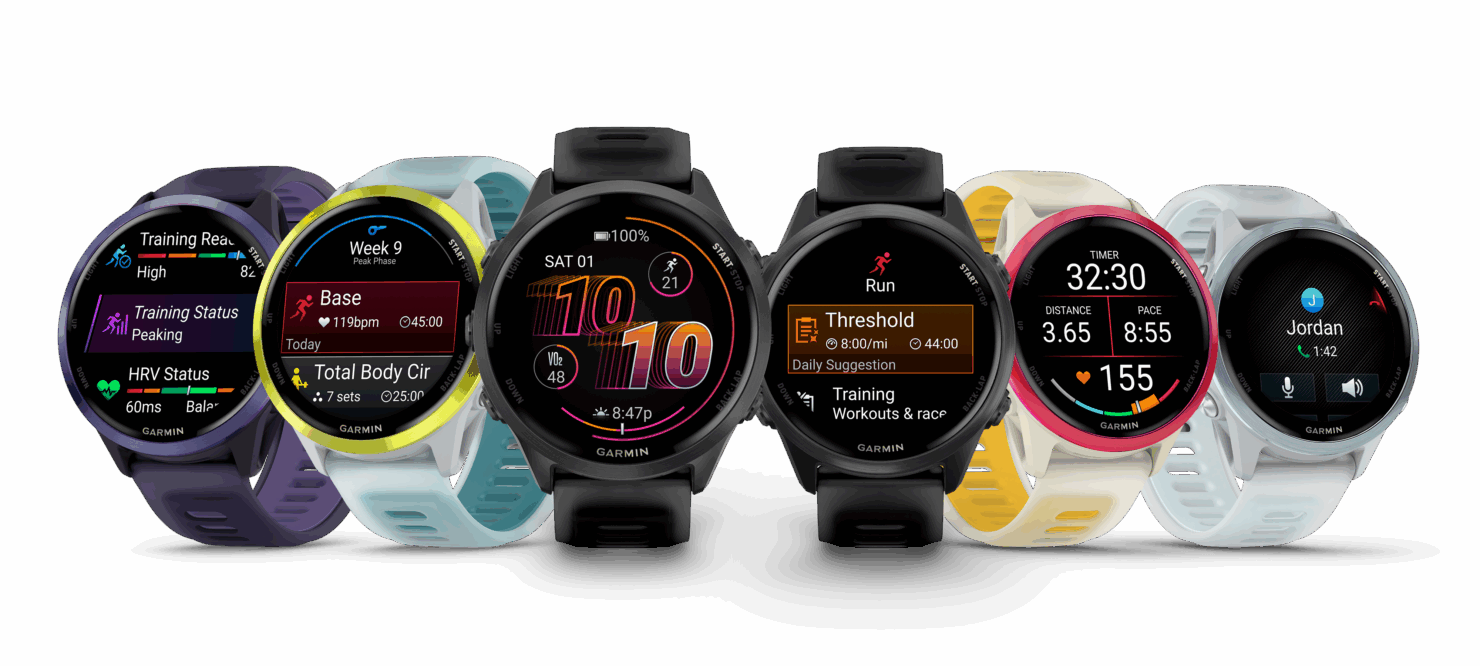
Best GPS watches for marathon training (2026): 7 picks by battery and training depth
The best GPS watches for marathon training in 2026, from the $249 COROS Pace 4 to the Garmin Forerunner 970 — ranked by battery, training depth, and price.
Jul 28, 2026
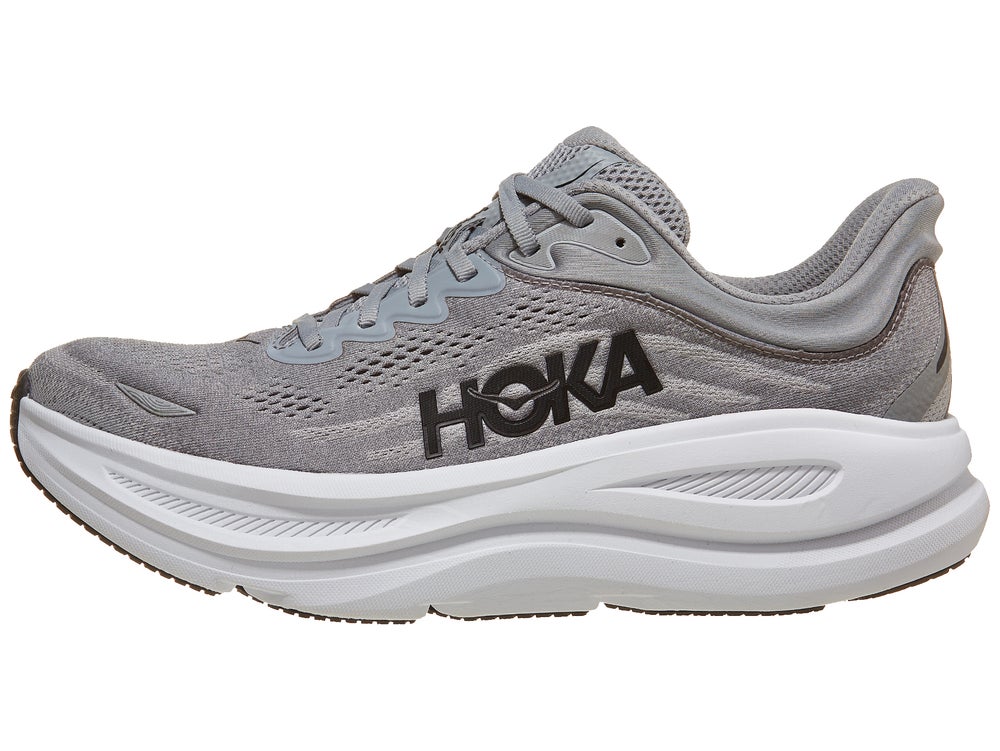
Best max cushion running shoes for long runs (2026): 7 plush picks by cushion and weight
The best max-cushion running shoes for long runs in 2026, from the $155 Nike Vomero 18 to the HOKA Skyward X 2 — ranked by cushion, weight, and price.
Jul 29, 2026
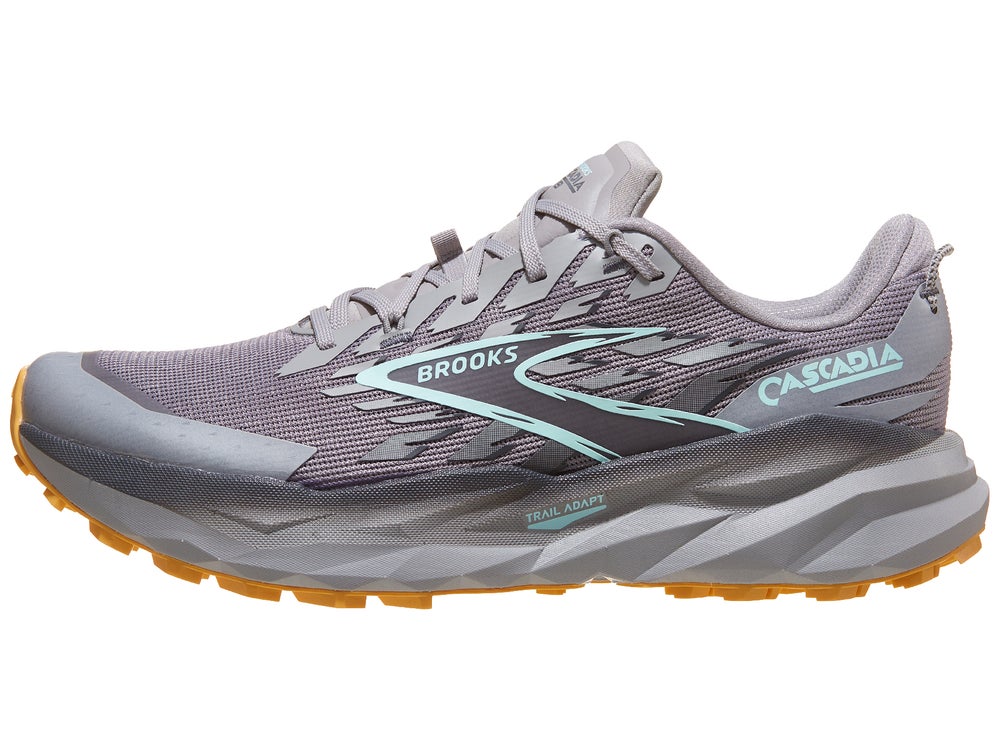
Best Trail Running Shoes for Beginners: Picks by Buyer Type (2026)
Beginner trail running shoes by buyer type: a ~$120 all-rounder, the grippiest do-everything pick, wide-foot and road-to-trail options, and what to skip.
Jul 29, 2026