
The short answer
For most new runners, the Brooks Ghost 17 is the safest first running shoe because it is neutral, cushioned, easy to find, and forgiving for walk-run training. Choose HOKA Clifton 10 if you want a softer rocker feel, Saucony Ride 18 for a lighter daily trainer, ASICS GEL-Cumulus 27 for sale value, and New Balance 880v15 for width options.
GearScout may earn a commission when you buy through links on this page. Prices, availability, and ratings can change, so confirm details with the retailer before purchasing.
Prices last verified May 2026.
A first running shoe should make training easier to repeat. Beginners usually need a comfortable neutral daily trainer, a fair return policy, and enough cushioning for walk-run plans, not a carbon plate or a race-day super shoe.
Quick Picks
| Best for | Pick | Why |
|---|---|---|
| Best overall first shoe | Brooks Ghost 17 | Familiar neutral geometry, broad fit appeal, and easy-mile cushioning |
| Softest ride | HOKA Clifton 10 | Rockered, cushioned feel for runners who want less ground feel |
| Light daily trainer | Saucony Ride 18 | Simple, versatile trainer with an 8mm-drop style that works for many new runners |
| Best sale value | ASICS GEL-Cumulus 27 | Source-backed sale pricing on a mainstream cushioned trainer |
| Best width-friendly pick | New Balance Fresh Foam X 880v15 | Traditional daily-trainer feel with New Balance's strong width ecosystem |
Comparison Table
Prices last verified May 2026.
| Shoe | Price shown by source | Ride type | Best fit | Watch-out |
|---|---|---|---|---|
| Brooks Ghost 17 | $150 MSRP; $119.95 sale price | Neutral cushioned daily trainer | Most first-time runners | Not the softest or fastest-feeling option |
| HOKA Clifton 10 | $155 MSRP | Soft rocker trainer | Runners who want plush cushioning | The rocker shape is not for everyone |
| Saucony Ride 18 | $145 MSRP | Balanced neutral trainer | Walk-run plans and easy miles | Less plush than max-cushion shoes |
| ASICS GEL-Cumulus 27 | $140 MSRP; $109.95 sale price | Cushioned neutral trainer | Value buyers who still want a real running shoe | Sale color/size availability can move quickly |
| New Balance Fresh Foam X 880v15 | $139.99 retailer price | Traditional neutral daily trainer | Wider or harder-to-fit feet | Less exciting than newer super-foam shoes |
Methodology
We treated this as a first-shoe buying guide, not a performance ranking. The scoring favored predictable fit, neutral support, mainstream availability, cushioning that works for walk-run plans, realistic pricing, and return-path clarity.
Products were included only when a manufacturer or established specialty retailer had source-backed price evidence. We skipped plated race shoes and aggressive tempo trainers because beginners need repeatable comfort before speed-focused geometry.
What We Checked
What competitors miss is that beginner shoes fail most often through fit, not spec sheets. We screened for shoes that can handle walking breaks, slightly inconsistent form, and easy mileage without forcing a runner into a narrow use case.
We have not completed a lab wear-test on all five models side by side. The original editorial value is the first-100-miles lens: start with comfort, return policy, width options, and a ride shape you can repeat three times a week.
Best Overall: Brooks Ghost 17
The Ghost 17 is the safe first recommendation because it does not ask much from the runner. It is a neutral cushioned trainer with a familiar shape, broad retail support, and enough protection for easy miles. Fleet Feet showed it with a $150 MSRP and $119.95 sale price during the source check.
Best for: new runners who want one dependable shoe for walk-run training, treadmill miles, and neighborhood routes.
Avoid if: you already know you prefer very soft rocker shoes or need a stability shoe recommended by a fitter.
Softest Ride: HOKA Clifton 10
The Clifton 10 belongs here for beginners who want cushioning to be obvious underfoot. HOKA's Clifton line uses a rockered feel that can make easy running feel smoother for some people, especially when they are just building tolerance for impact.
Best for: runners who want a soft, guided-feeling shoe for easy mileage.
Avoid if: you dislike rockered shoes or want a firmer, more traditional daily trainer.
Light Daily Trainer: Saucony Ride 18
The Ride 18 is the plain-good option. Saucony listed the shoe at $145, and its appeal is that it does not over-specialize. It can handle short beginner runs, light workouts, and daily walking without feeling like a medical shoe.
Best for: beginners who want a balanced shoe that will not feel bulky.
Avoid if: you want maximum cushioning or a very wide platform.
Best Sale Value: ASICS GEL-Cumulus 27
The GEL-Cumulus 27 is the value play when sizes and colors line up. ASICS showed a $140.00 list price and $109.95 sale price during the source check, which is strong for a current mainstream cushioned trainer.
Best for: buyers who want a real daily trainer at a lower current price.
Avoid if: the discounted color or width options do not fit properly.
Best Width-Friendly Pick: New Balance Fresh Foam X 880v15
The 880v15 is the practical pick for harder-to-fit feet. New Balance tends to support width options better than many brands, and the 880 line is built around everyday training rather than race-day flash.
Best for: runners who need a more traditional shape or width flexibility.
Avoid if: you want a soft rocker or a noticeably bouncy ride.
Buying Guide
Start with fit, then ride. Leave a thumb's width in front of the longest toe, make sure the heel does not slip badly, and avoid pressure across the top of the foot. A shoe that feels slightly boring in the store is often better than one that feels dramatic for 30 seconds.
Choose neutral unless you have a clear reason not to. Stability shoes can be useful, but many beginners overbuy correction before they know how their body responds to training.
Finally, protect the return window. Buy from a retailer that lets you test fit responsibly. Your first two weeks tell you more than any spec chart.
Common Mistakes
- Buying a race shoe as a first daily trainer.
- Choosing the tight size because it feels secure standing still.
- Ignoring width options.
- Keeping shoes that create hot spots on short runs.
- Assuming more cushioning always means fewer aches.
FAQs
What is the best running shoe for most beginners?
The Brooks Ghost 17 is the safest starting point for most beginners because it is neutral, cushioned, broadly available, and not overly specialized.
Should beginners rotate two pairs of running shoes?
Not at first. One comfortable daily trainer is enough until you know your routine. Add a second pair later if you run often enough that drying time, wear, or different workout types become an issue.
How long do beginner running shoes last?
Most daily trainers last roughly 300 to 500 miles, but beginners should watch feel more than mileage. Replace shoes when cushioning feels flat, tread is uneven, or normal runs start causing unusual aches.
Common questions
Frequently asked questions
- Should beginners buy neutral or stability running shoes?
- Most beginners should start with a neutral shoe unless a fitter, clinician, or previous injury history points toward stability. Comfort and fit matter more than trying to self-diagnose pronation from a wet footprint test.
- How much should a first running shoe cost?
- A realistic first-shoe budget is about $110 to $160. Below that, closeout models can be good, but avoid mystery marketplace listings with unclear return policies or fake-risk pricing.
- Can beginners use one shoe for walking and running?
- Yes. A neutral daily trainer can handle walk-run plans and general walking. Replace it sooner if the midsole feels flat, the outsole wears unevenly, or small aches appear after normal runs.
References
Sources
Keep reading
Related guides
Best headlamp for running (2026): 8 picks ranked by the light you can actually hold
Eight running headlamps from $69.95-$249.95 ranked by sustained lumens you can hold for a whole run, not the boost figure printed on the box.
Aug 17, 2026

Best incline treadmill: 8 picks ranked by vertical feet climbed, not percent
Eight incline treadmills from $999.99 to $2,999.99 ranked by real grade - 11.4% to 50%, converted to degrees and vertical feet per mile. Verified August 2026.
Aug 12, 2026

Best folding treadmill for small spaces: 8 picks ranked by folded footprint
Eight folding treadmills from $449-$2,000 ranked by folded floor area, folded height and deck length - the specs makers bury. Verified August 2026.
Aug 8, 2026
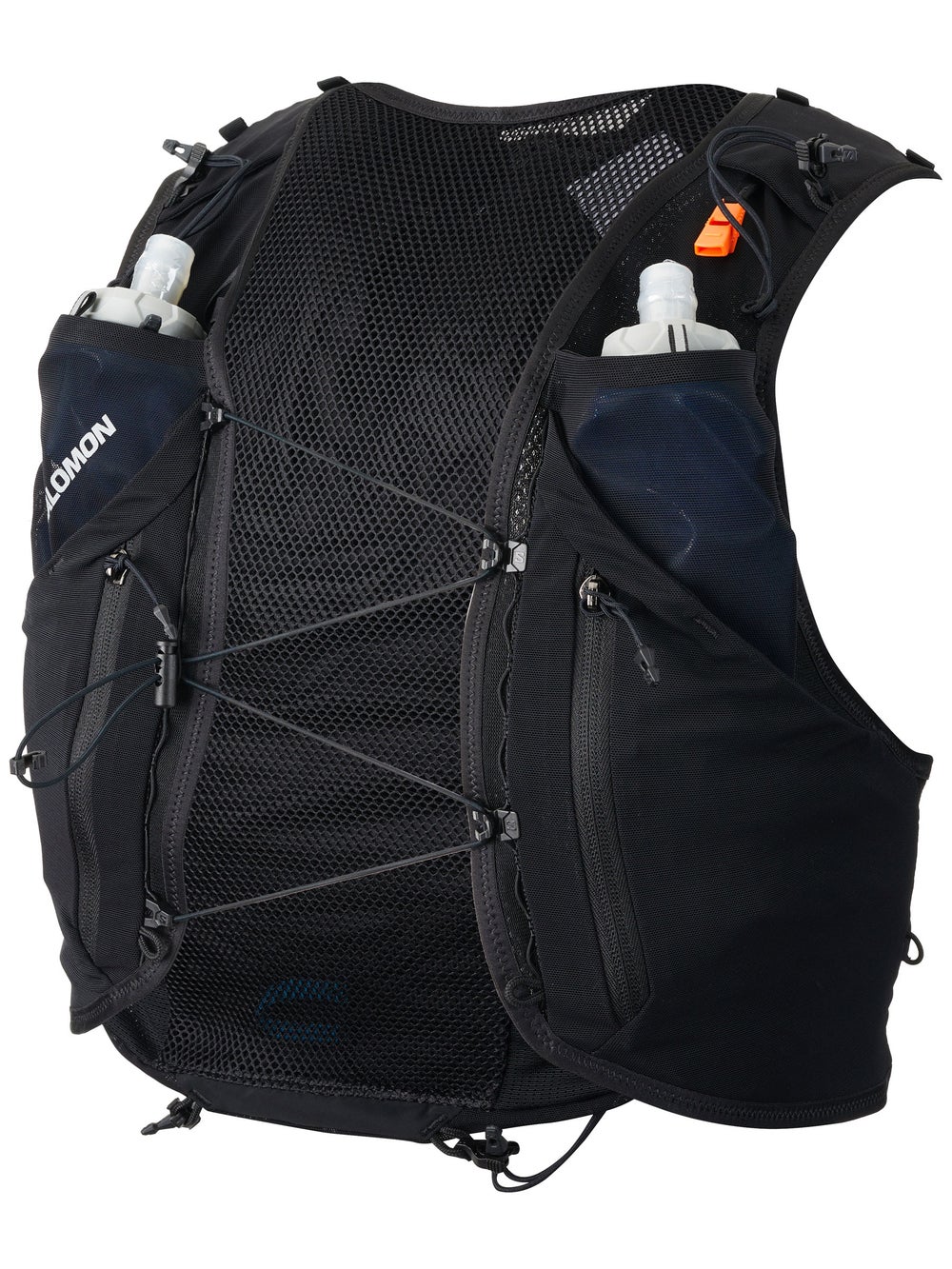
Best hydration vest for running (2026): 7 picks by run length and budget
The best hydration vests for running in 2026, from the $89.95 Nathan QuickStart to the Salomon ADV Skin 12 — ranked by capacity, fit, and price.
Aug 4, 2026