
The short answer
For many runners with flat feet who want guidance without a harsh medial post, the ASICS GEL-KAYANO 32 is the safest premium pick because it combines broad stability, cushioning, and width availability. Brooks Adrenaline GTS 24 is the better sale-price daily trainer, while New Balance 860v15 is strongest if extended widths matter most.
GearScout may earn a commission when you buy through links on this page. Prices, availability, and ratings can change, so confirm details with the retailer before purchasing.
Prices last verified May 2026.
Flat feet do not automatically mean you need the stiffest shoe on the wall. The more useful question is whether your foot, ankle, and knee feel better with guidance: a wider base, supportive sidewalls, rails, a stable platform, or a shoe that simply holds its shape late in a run. This guide favors current stability shoes that are easy to buy, source-backed on price, and realistic for daily training.
Quick Picks
| Best for | Pick | Why |
|---|---|---|
| Best premium support | ASICS GEL-KAYANO 32 | Cushioned premium stability trainer with support and comfort as the core pitch |
| Best sale-price daily trainer | Brooks Adrenaline GTS 24 | GuideRails support, familiar daily-trainer feel, and a strong sale price |
| Best for width options | New Balance Fresh Foam X 860v15 | Current New Balance stability model with extended-width positioning on the running category page |
| Best firm classic feel | Mizuno Wave Inspire 21 | Wave plate stability, durable outsole, and a discounted manufacturer price |
| Best budget support deal | Saucony Guide 18 | CenterPath guidance and a deep manufacturer sale price in limited availability |
Comparison Table
Prices last verified May 2026.
| Shoe | Price shown by source | Stability approach | Best fit | Watch-out |
|---|---|---|---|---|
| ASICS GEL-KAYANO 32 | $165.00 regular price | Premium stability platform | Runners who want maximum comfort and support in one daily trainer | Highest full price here |
| Brooks Adrenaline GTS 24 | $109.95 sale price; $140.00 regular price | GuideRails-style guided support | Daily miles, walking/running mix, sale shoppers | Sale colors and sizes can be limited |
| New Balance Fresh Foam X 860v15 | $149.99 listed from price | Stability daily trainer | Runners who need width options and a conventional trainer feel | Source page is category-level, not a single product detail page |
| Mizuno Wave Inspire 21 | $110.00 sale price; $140.00 regular price | Mizuno Wave plate stability | Runners who like a firmer, structured ride | Less plush than Kayano-style max comfort |
| Saucony Guide 18 | $65.95 sale price; $150.00 original price | CenterPath guidance | Budget buyers who can find their size | Limited color/size availability at sale price |
Methodology
We prioritized current or still-available stability trainers from manufacturer or major brand pages with visible price evidence. The selection is intentionally not a medical prescription. Flat feet can be comfortable in neutral shoes, stability shoes, or orthotic-compatible shoes depending on the runner, so the ranking focuses on practical buying signals: support method, width availability, price credibility, daily-training usefulness, and fit risk.
We excluded shoes where pricing was unclear, the model was not clearly available, or the product page did not provide enough evidence to support a recommendation. We also avoided claims that a shoe fixes pain, prevents injury, or corrects a foot type.
What We Checked
The original angle is fit-first stability. Many flat-feet shoe lists treat support like a single dial: more control equals better. That is not how most runners shop successfully. A flat-footed runner with a wide midfoot may do better in a roomy, moderate-stability shoe than in a narrow, aggressive one. A runner who only feels tired arches late in long runs may need platform stability more than a heavy post.
We have not completed a lab gait analysis or controlled wear test across all five shoes. The editorial screen here combines source-backed product evidence with practical fitter logic: start with the least intrusive stability that makes the shoe feel centered, leave room for toe splay, and treat pain as a reason to get fitted rather than keep buying stronger shoes online.
Best Premium Support: ASICS GEL-KAYANO 32
The GEL-KAYANO 32 is the safest premium pick for runners who know they want a lot of support but do not want an old-school brick. ASICS listed it at $165 during the source check and describes it as a premier stability trainer designed around support and comfort. The page also presents the shoe as the pinnacle of support and comfort in the Kayano line.
For flat-footed runners, the Kayano makes sense when comfort and support carry equal weight. It is not the cheapest option, but it is the one to try first if you want a protective daily trainer rather than a stripped-down stability shoe.
Best for: runners who want a premium, cushioned stability trainer for daily mileage.
Avoid if: you are price-sensitive or prefer a firmer, lower-profile feel.
Best Sale-Price Daily Trainer: Brooks Adrenaline GTS 24
The Adrenaline GTS 24 remains one of the easiest stability shoes to recommend when the fit works. Brooks showed the shoe at $109.95 during the source check, down from $140.00. The Adrenaline line is built around guided support rather than a harsh under-arch correction, which makes it a practical first stability shoe for many runners.
The buyer reason is simple: it is supportive enough for flat-footed runners who want guidance, familiar enough for everyday training, and currently much cheaper than many premium stability shoes. The caveat is availability. Sale models can mean fewer color and size options.
Best for: runners who want a reliable stability daily trainer at a sale price.
Avoid if: you need the newest model, a very wide fit in every color, or a plush max-cushion feel.
Best For Width Options: New Balance Fresh Foam X 860v15
New Balance's current running category page listed the Fresh Foam X 860v15 at $149.99 from price during the source check and marked it as a men's running shoe. The 860 line is the better starting point if your flat feet come with a wide forefoot or midfoot because New Balance is usually stronger than most brands on width availability.
The evidence here is category-level rather than a single product-detail capture, so this pick is framed around buyer fit logic instead of detailed spec claims. If your previous stability shoes felt supportive but cramped, start with the 860v15 in the right width before assuming you need more control.
Best for: runners who need a stability shoe with better width odds.
Avoid if: you want the most detailed manufacturer product page evidence before buying.
Best Firm Classic Feel: Mizuno Wave Inspire 21
The Wave Inspire 21 is the structured-feel pick. Mizuno listed it at $110.00 during the source check, down from $140.00, and calls out the Mizuno Wave plate as a way to disperse impact energy across a broader area for a stable platform. The page also lists a jacquard mesh upper, gusseted tongue, and X10 outsole.
This is a good match for runners who dislike soft, marshmallow-style stability shoes. The Inspire feels more traditional in concept: stable platform, durable outsole, and less emphasis on maximum plushness. For flat-footed runners who feel better when a shoe holds its shape, that can be the right tradeoff.
Best for: runners who want a firmer, structured daily trainer.
Avoid if: you want the softest possible stability shoe.
Best Budget Support Deal: Saucony Guide 18
The Saucony Guide 18 is the value pick if the available size and color work for you. Saucony listed it at $65.95 during the source check, down from a $150.00 original price, with in-stock status for limited inventory. The official page highlights PWRRUN cushioning, CenterPath technology, breathable mesh, and a padded heel collar.
The Guide 18 is worth considering because the support approach is modern and the sale price is unusually low for a real stability trainer. The risk is inventory. Do not force the wrong size to chase the discount; flat feet already make fit more important, not less.
Best for: budget buyers who can find the right size.
Avoid if: your size is out of stock or you need multiple width options.
Buying Guide
Start with fit before support. A stability shoe that pinches the midfoot, narrows the toe box, or pushes into the arch will not become good because it has the right label. Flat-footed runners should pay special attention to width, upper volume, and whether the arch area feels supportive or intrusive.
Choose the stability level by symptoms and use case. If your neutral shoes feel fine, you may not need stability at all. If your shoes collapse inward, your ankles feel tired, or a fitter has pointed you toward support, start with moderate guidance. Save maximum-control options for cases where a fitter, clinician, or repeated trial-and-error supports that choice.
Check return policies. Running shoes for flat feet are hard to buy on specs alone. Buy from a retailer that allows returns after indoor try-on, and test both shoes with the socks and insoles you actually use.
Common Mistakes
- Assuming every flat-footed runner overpronates the same way.
- Buying the narrowest sale color because the price is good.
- Treating arch pressure as support when it actually feels irritating.
- Jumping straight to the most controlling shoe without trying moderate guidance.
- Ignoring calf, ankle, or knee pain that deserves a fitter or medical professional.
FAQs
What is the best stability running shoe for flat feet?
ASICS GEL-KAYANO 32 is the best premium starting point here because it is built around support and comfort, while Brooks Adrenaline GTS 24 is the better value pick at its current sale price. The best personal choice still depends on width, arch feel, and gait.
Do flat feet need arch support in running shoes?
Some flat-footed runners like arch support, but others find it intrusive. Look for a shoe that feels centered and stable without creating pressure under the arch. If you use orthotics, make sure the shoe has enough volume and a removable insole.
Should I size up in stability running shoes?
Do not size up automatically. Use the same running-shoe fit rules: enough length in front of the toes, secure heel hold, and no midfoot pinching. If the shoe is too narrow, try a wide width before changing length.
Common questions
Frequently asked questions
- Do flat feet always need stability running shoes?
- No. Flat feet and overpronation are related but not identical, and some flat-footed runners do well in neutral shoes. Use stability shoes when you want a guided ride, your current shoes collapse inward, or a fitter or clinician has recommended support.
- What is the best running shoe for flat feet and wide feet?
- Start with models that have wide or extra-wide options. New Balance 860, ASICS GEL-KAYANO, and Brooks Adrenaline are usually safer starting points than narrow stability shoes because fit problems can matter more than the support system.
- Are motion-control shoes better than stability shoes for flat feet?
- Only for some runners. Modern stability trainers usually use guidance geometry, rails, or platform shaping instead of very firm posts. If you have pain, severe overpronation, or orthotics, get fitted rather than assuming maximum control is better.
References
Sources
Keep reading
Related guides
Best headlamp for running (2026): 8 picks ranked by the light you can actually hold
Eight running headlamps from $69.95-$249.95 ranked by sustained lumens you can hold for a whole run, not the boost figure printed on the box.
Aug 17, 2026

Best incline treadmill: 8 picks ranked by vertical feet climbed, not percent
Eight incline treadmills from $999.99 to $2,999.99 ranked by real grade - 11.4% to 50%, converted to degrees and vertical feet per mile. Verified August 2026.
Aug 12, 2026

Best folding treadmill for small spaces: 8 picks ranked by folded footprint
Eight folding treadmills from $449-$2,000 ranked by folded floor area, folded height and deck length - the specs makers bury. Verified August 2026.
Aug 8, 2026
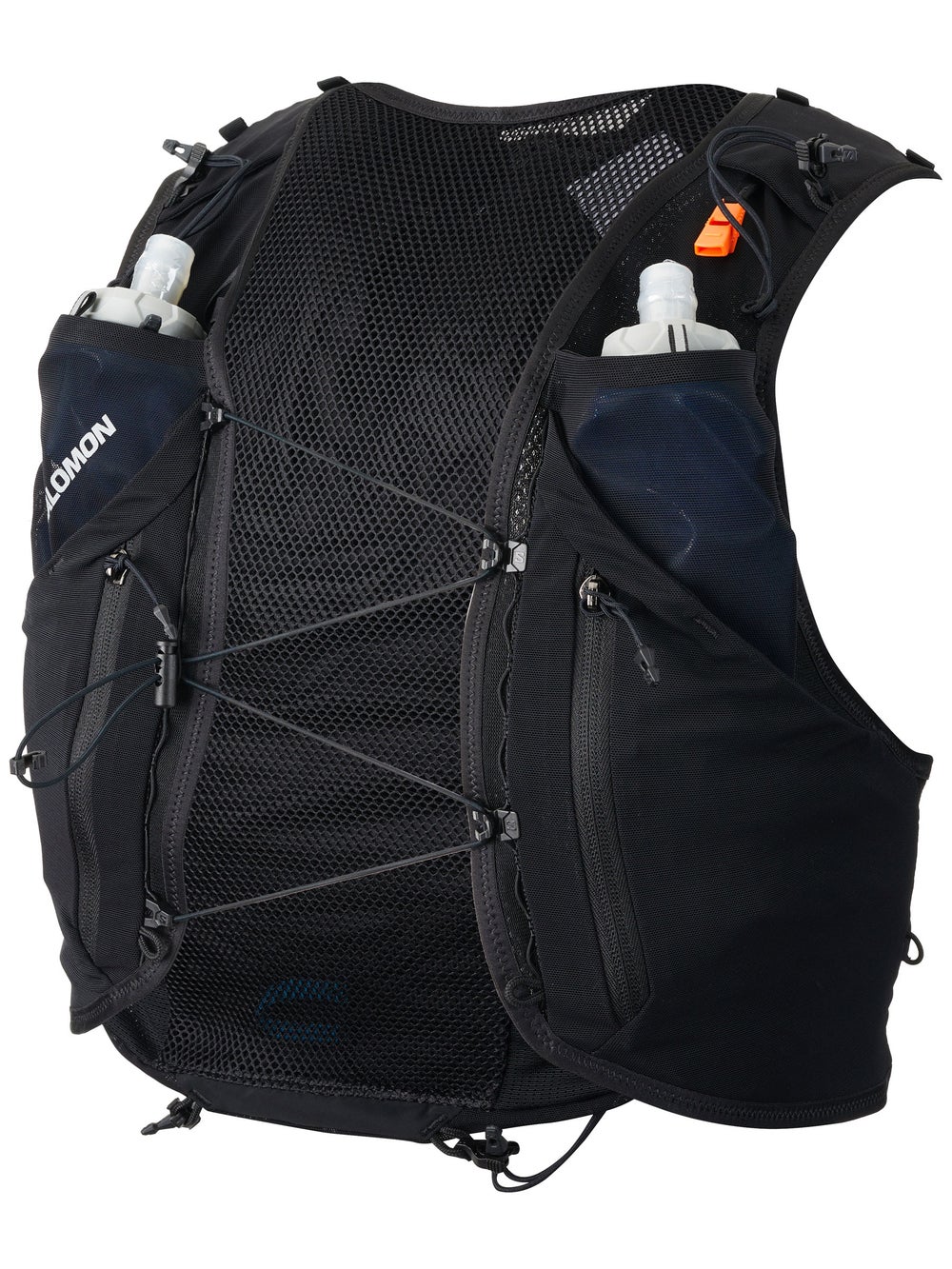
Best hydration vest for running (2026): 7 picks by run length and budget
The best hydration vests for running in 2026, from the $89.95 Nathan QuickStart to the Salomon ADV Skin 12 — ranked by capacity, fit, and price.
Aug 4, 2026