The short answer
Match the shoe to the runner and the race, not the hype. Our best overall is the ASICS Metaspeed Sky Tokyo ($269.95), but you rarely need to spend $275: four 2025 elite racers are on clearance at $160-$200 right now, and the $179.95 ASICS Magic Speed 5 trains and races. Super shoes are a race-day tool, not a daily trainer.
GearScout may earn a commission when you buy through links on this page. Prices, availability, and ratings can change, so confirm details with the retailer before purchasing.
Prices last verified July 2026.
A carbon plate running shoe — a "super shoe" — pairs a stiff full-length plate (or a set of carbon rods) with a thick slab of springy PEBA superfoam and an aggressive rocker that rolls you forward and returns energy on every stride. Independent testing has repeatedly put the efficiency benefit at roughly 4% at race pace, which is why every marathon podium now wears one. But the plate is only half the story, most runners buy the wrong tier, and the newest shoe is rarely the smartest buy. This guide matches seven verified 2026 super shoes to the runner and the race — and tells you when you shouldn't buy one at all.
Our best overall is the ASICS Metaspeed Sky Tokyo at $269.95 — the lightest and most acclaimed racer here. But you rarely need to spend $275: as the 2026 flagships land, four 2025 elite racers are on clearance at $160–$200 right now (the New Balance SuperComp Elite v5 is down to $159.88), and the $179.95 ASICS Magic Speed 5 is a genuine do-it-all carbon shoe you can train and race in. We have not wear-tested all seven pairs; where a claim is a maker's spec or an independent reviewer's finding rather than something we measured, we say so — and we verified every price, spec, in-stock status, buy link, and product image against the live Running Warehouse listing on July 31, 2026.
Do you actually need a carbon plate shoe?
Be honest about your running before you spend $200. Super shoes give the biggest return when you are actually racing or running fast — 5K-to-marathon race pace and hard tempo or interval workouts. At an easy conversational jog the plate-and-foam system does much less for you, and you burn down expensive race foam doing a job a $130 daily trainer does better. Two truths generic lists skip:
- They are a race-day tool, not a daily trainer. PEBA superfoams (FuelCell, FF Turbo, incrediRUN, Lightstrike Pro, DNA Gold) feel magic when new but lose their bounce fast — figure roughly 150–250 hard miles before the pop noticeably fades. The economics only work if you rotate: race and do key workouts in the super shoe, run easy miles in a cushioned trainer. If you would wear one every day, buy a max-cushion daily trainer instead and save the plate for race day.
- Faster runners get more back. The ~4% figure comes from testing at real race speeds; if you are new to running or jogging easy, the benefit shrinks and the firm, tall, sometimes tippy race platform can feel worse, not better. If this is your first fast shoe, the $179.95 Magic Speed 5 — lower, more stable, more durable — is a smarter on-ramp than a 40 mm elite racer.
If you race, chase PRs, or do structured speed work, a carbon shoe is one of the few legal upgrades that genuinely helps. If you mostly jog for fitness, your money is better spent elsewhere — and we would rather say so than sell you a shoe you will wear out on easy miles.
Quick Picks
| Best for | Pick | Price | Why it wins |
|---|---|---|---|
| Best overall / long striders | ASICS Metaspeed Sky Tokyo | $269.95 | Lightest (5.6 oz), most-acclaimed 2026 racer; plate set high for stride-length runners |
| Best value / first super shoe | ASICS Magic Speed 5 | $179.95 | A full carbon plate you can train and race in; lower, stabler, more durable |
| Best value elite + wide feet | New Balance SuperComp Elite v5 | $159.88 | A ~$260 PEBA racer on clearance; the rare super shoe offered in 2E wide |
| Best for efficiency (carbon rods) | adidas Adizero Adios Pro 4 | $199.88 | Snappy, ground-connected feel from carbon Energy Rods; marathon-proven |
| Best for stability at speed | Brooks Hyperion Elite 5 | $199.88 | Lower, firmer, planted — the super shoe for people who hate the tippy feel |
| Softest / most aggressive | Saucony Endorphin Elite 2 | $199.88 | incrediRUN foam and a steep rocker for explosive turnover; big clearance cut |
| Max cushion / heavier runners | HOKA Cielo X1 3.0 | $274.95 | Tallest, most protective stack for long marathons and bigger runners |
Comparison Table
Prices last verified July 2026. Four of these are clearance prices that move fast, and individual sizes sell out, so confirm the live figure and your size before buying.
| Shoe | Price | Weight | Stack (H/F) | Drop | Plate + foam | Best for |
|---|---|---|---|---|---|---|
| New Balance SuperComp Elite v5 | $159.88 | 7.1 oz | 40 / 32 mm | 8 mm | Carbon plate + FuelCell PEBA | Value elite; wide (2E) feet |
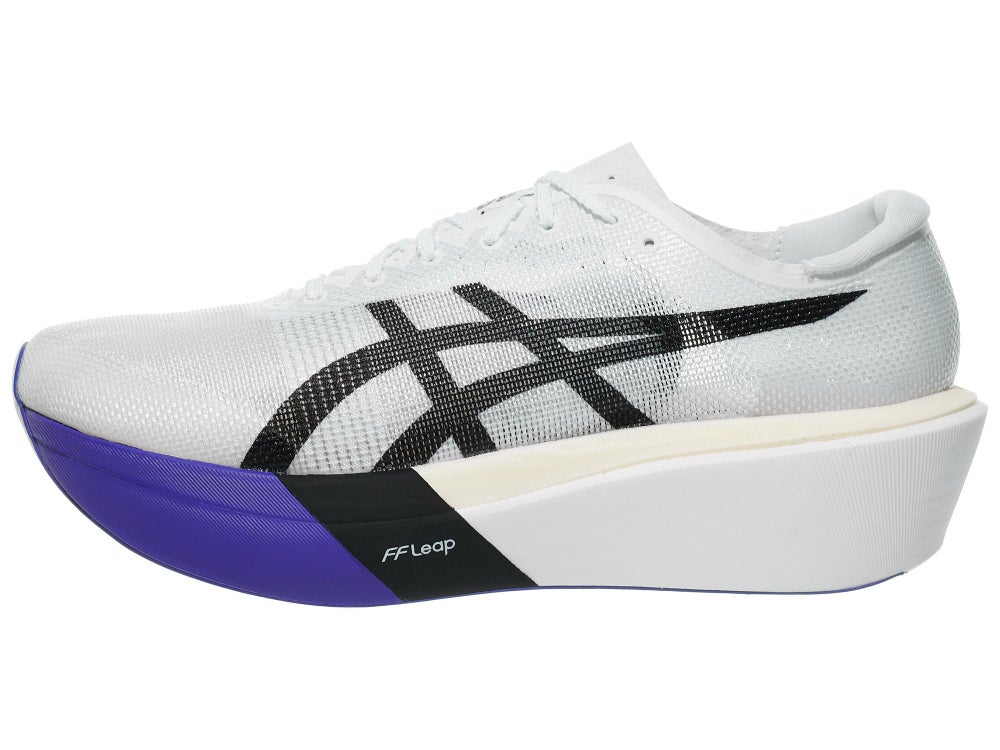
| ASICS Magic Speed 5 | $179.95 | 7.1 oz | 36 / 29 mm | 7 mm | Carbon plate + FF Leap/Blast Plus | First super shoe; train + race |
| adidas Adizero Adios Pro 4 | $199.88 | 7.1 oz | 39 / 33 mm | 6 mm | Carbon Energy Rods + Lightstrike Pro | Efficiency; snappy feel |
| Brooks Hyperion Elite 5 | $199.88 | 7.1 oz | 38 / 30 mm | 8 mm | SpeedVault+ plate + DNA Gold PEBA | Stability at speed |
| Saucony Endorphin Elite 2 | $199.88 | 7.1 oz | 40 / 32 mm | 8 mm | Carbon plate + incrediRUN | Soft, aggressive turnover |
| ASICS Metaspeed Sky Tokyo | $269.95 | 5.6 oz | 40 / 35 mm | 5 mm | Carbon plate + FF Turbo Plus/Leap | Best overall; long striders |
| HOKA Cielo X1 3.0 | $274.95 | 7.0 oz | 48 / 41 mm | 7 mm | Carbon plate + dual PEBA | Max cushion; heavier runners |
The two current 2026 flagships sit at the top of the price column; the middle of the table is where the value is right now, with three 2025 elite racers cleared to the same $199.88 and New Balance's to $159.88.
Methodology
We built this list for one job: getting a runner into the right race-day carbon shoe for their pace, body, and budget — not crowning a single "fastest" shoe. Every pick is a genuine carbon-plated (or carbon-rod) super shoe with a PEBA-class superfoam and a rockered race geometry. Within that, we ranked on the things that actually change your race: superfoam and plate feel, weight, stack and stability, fit, durability, race legality, and — because it is real money — current price and whether the shoe is actually in stock.
We checked every product page on July 31, 2026 for the model, US price, weight, stack height, drop, plate/rod and foam, and in-stock sizes; confirmed each featured product image returned an official retailer asset (HTTP 200 with an image content type); and confirmed each buy link resolved. Where a fit or performance detail came from a maker's spec sheet or an independent tester rather than our own running, we treated it as a cited claim, not a GearScout measurement. Shoes whose buy link was dead or whose image we could not verify from the retailer were left out of the carded picks and named in the buying guide instead.
What We Checked
What competitors miss is that a "best carbon plate shoe" list is only useful if it tells you whether to buy one, which tier you actually need, and what you will really pay today — and most listicles skip all three, ranking a wall of $250–$290 elites nobody stock-checked. We built this guide around four honest truths a generic list ignores:
- Do you even need one? We lead with gatekeeping, not hype. Super shoes pay off at race pace and in hard workouts; for easy jogging they are wasted money that wears out fast. If you are a fitness jogger, we say buy a daily trainer instead.
- Cost-per-mile, not sticker price. Race foams lose their spring in roughly 150–250 hard miles. A super shoe is a tool to rotate for races and key sessions, not a daily driver — so the real question is cost per race, and a $180 shoe you can also train in changes that math.
- The mid-2026 clearance window. As the 2026 flagships arrive, last year's $250–$290 elite racers are on clearance at $160–$200 right now. Unless you specifically want the newest foam, that is the value play — and we flag exactly which picks are cleared.
- Plate, rods, or pods. "Carbon plated" is marketing shorthand for several different systems. We explain what actually drives the effect and rank on the whole package, not the buzzword.
Who this is for: recreational-through-competitive-amateur runners buying their first or next race-day shoe on a budget, who want the right tier for their pace and body rather than the most expensive box on the shelf. We did not wear-test these seven pairs; this is researched editorial judgment from manufacturer and authorized-retailer specs, independent reviewers (RunRepeat, Doctors of Running, The Run Testers, Tom's Guide), and the prices, specs, stock, images, and buy links we confirmed on July 31, 2026.
Plate, rods, or pods: what "carbon plated" actually means
The plate is not magic on its own — a stiff sheet of carbon in a cheap foam does very little. The effect comes from the system: a responsive PEBA superfoam that stores and returns energy, a stiff element that keeps the foam from collapsing and smooths your toe-off, and a rockered sole that tips you forward so you spend less effort rolling through each step. Change any one piece and the shoe feels different.
That is why "carbon plate" hides real variety. Most shoes here use a full-length carbon plate (ASICS, New Balance, Brooks, Saucony, Hoka). adidas is the odd one out: the Adios Pro 4 uses carbon Energy Rods — five rods tuned to mimic the bones of the foot — for a more flexible, connected-to-the-ground feel rather than the stiff snap of a single plate. And the two most famous shoes on the internet, Nike's Vaporfly and Alphafly, add their own twists (the Alphafly bonds a plate to Air pods in the forefoot). None is automatically "best"; they are different rides. Match the feel to your stride, and do not pay extra for the word "carbon" if the foam underneath it is ordinary.
What actually matters in a super shoe
Superfoam and plate feel
This is the ride. Softer, bouncier foams (Saucony incrediRUN, New Balance FuelCell, Hoka dual-PEBA) feel explosive but can feel unstable; firmer setups (Brooks DNA Gold, adidas with its rods) feel planted and connected. Neither is better — it is preference and how well you control a tall, soft platform.
Weight
Every ounce counts over 26.2 miles. The ASICS Metaspeed Sky Tokyo is the featherweight here at 5.6 oz; most elites land near 7 oz. Lighter usually feels faster, but do not chase grams if it costs you the stability or cushion you need to hold form late in a race.
Stack, drop, and stability
Taller stacks (the 48 mm Hoka Cielo X1) cushion and protect over long races but sit higher and can feel tippy; lower stacks (the 36 mm Magic Speed 5, 38 mm Hyperion Elite 5) feel more stable and connected. If super shoes have felt unstable to you before, size toward the lower, firmer picks.
Fit
Race shoes fit snug and often narrow. Get your foot locked down with no heel slip, but leave a thumbnail at the toes for swelling over long miles. Wide-footed runners have far fewer options — the New Balance SuperComp Elite v5 is the standout here because it comes in a true 2E width; see our running shoes for wide feet guide if width is your limiter.
Durability
Super shoes are not built to last. Thin racing outsoles and fast-fading foam mean 150–250 hard miles is a realistic race-and-workout life. Budget for that: a shoe you can also train in (Magic Speed 5) spreads the cost; a pure elite racer is a race-day-only investment.
Race legality
For sanctioned road racing, World Athletics caps sole thickness at 40 mm. Most shoes here are built to comply. The one to check is the HOKA Cielo X1 3.0 — its heel measures taller than 40 mm and Hoka says the aggressive heel bevel keeps it within the rule, so if you race sanctioned events, confirm the shoe is on the current approved list before race day. For everyday racing and workouts, none of this matters.
Our top picks
Best value / first super shoe: ASICS Magic Speed 5 ($179.95)
The Magic Speed 5 is the shoe we would hand most runners buying their first carbon shoe. It has a genuine full-length carbon plate over FF Leap and FF Blast Plus foams, but a lower 36/29 mm stack (7 mm drop) and a grippier, more durable ASICSGRIP outsole than the elite racers — which means it is stable enough to learn on and tough enough to train in, not just race. At $179.95 it is the only full-price pick here, and it is worth it: one carbon shoe that handles workouts, tempo runs, and race day spreads the cost in a way a $270 elite never will.
Best for: your first super shoe; runners who want one carbon shoe to train and race in.
Avoid if: you want maximum marathon stack and bounce — step up to an elite racer.
Best value elite racer: New Balance FuelCell SuperComp Elite v5 ($159.88)
The SuperComp Elite v5 is the value story of 2026: a full-blown elite marathon racer — full-length carbon plate, FuelCell 100% PEBA, 40/32 mm stack — cleared to $159.88 (about 39% off) as the next model looms. It is plush and stable for an elite shoe, and it is the only super shoe here offered in a true 2E wide, which alone makes it the pick for wider-footed racers who are usually locked out of this category. The catch is the catch of every clearance shoe: the price and your size can vanish, so buy when you see it.
Best for: value-minded racers; wide (2E) feet; a plush, stable elite ride.
Avoid if: you want the lightest shoe possible — the Metaspeed Sky is 1.5 oz lighter.
Best for efficiency: adidas Adizero Adios Pro 4 ($199.88)
The Adios Pro 4 is the marathoners' efficiency pick, and the one shoe here that is not built around a single plate. Instead, five carbon Energy Rods run the length of a soft, responsive Lightstrike Pro midsole, tuned to mimic the foot's own bones for a snappy, connected, ground-feel ride rather than the stiff pop of a plate. Continental rubber grips the road at toe-off. At $199.88 on clearance (about 21% off) it is a lot of proven marathon shoe for the money. If you have found single-plate shoes stiff or disconnected, the rods are worth trying.
Best for: efficiency-focused racers; runners who prefer a connected, snappy feel.
Avoid if: you specifically want a single carbon plate — this uses carbon rods.
Best for stability at speed: Brooks Hyperion Elite 5 ($199.88)
The Hyperion Elite 5 is the super shoe for runners who dislike the tall, tippy, unstable feel of the genre. Its SpeedVault+ carbon plate sits in a 100% PEBA DNA Gold midsole, but at a lower 38/30 mm stack that keeps you closer to the ground and more planted through turns and late-race fatigue. It is firmer and more controlled than the soft-and-bouncy crowd. Cleared to $199.88 (about 27% off a $275 launch price), with an Elite 6 already on pre-order at $274.95, the 5 is the smart-money buy.
Best for: stability at speed; runners who found other super shoes too tippy.
Avoid if: you want maximum squishy bounce — look at the Saucony or Hoka.
Softest and most aggressive: Saucony Endorphin Elite 2 ($199.88)
The Endorphin Elite 2 is Saucony's most aggressive race shoe: a full-length carbon plate in soft, explosive incrediRUN superfoam with a steep SpeedRoll rocker that wants to tip you into your next stride. It is the pick if you love a soft, springy, turnover-forward ride and have the strength to control it. Cleared to $199.88 (about 31% off a ~$290 launch), it is a genuine top-tier racer at a mid-tier price. The trade-offs are the trade-offs of soft-and-aggressive: less stability than the Brooks and less all-day durability than the Magic Speed 5.
Best for: forefoot strikers who want explosive, soft turnover.
Avoid if: you want a stable, planted platform or a shoe you can also train in.
Best overall / long striders: ASICS Metaspeed Sky Tokyo ($269.95)
The Metaspeed Sky Tokyo is the most complete racer here and our best overall. At just 5.6 oz it is the lightest pick, with a 40/35 mm stack of FF Turbo Plus over FF Leap and a carbon plate placed flat and high to launch long-stride runners into more distance per step. It is fast, light, and forgiving enough to race any distance from 5K to the marathon. One nuance worth knowing: ASICS splits its top racer in two. If you are a short-stride, high-cadence runner, the Metaspeed Edge Tokyo is the sibling tuned for you; the Sky rewards runners who cover ground with stride length. Pick the one that matches how you run.
Best for: long-stride runners; anyone wanting the benchmark 2026 racer; the lightest pick.
Avoid if: you run short and quick (choose the Edge Tokyo) or want to save money (the clearance elites).
Best max cushion / heavier runners: HOKA Cielo X1 3.0 ($274.95)
The Cielo X1 3.0 is the most cushioned, most protective shoe here — a towering 48/41 mm stack of dual-layer PEBA around a full-length carbon plate. That mountain of foam is the point: it protects your legs deep into a long marathon and gives heavier runners the cushion and stability the thinner elites can lack. It is not the lightest or nimblest shoe, and there is one thing to confirm — its heel measures taller than the 40 mm World Athletics limit, and Hoka states the heel bevel keeps it compliant, so verify it is on the current approved list if you race sanctioned events. For everyone else, it is max protection for the long haul.
Best for: heavier runners; long marathons where you want maximum cushion.
Avoid if: you want a light, low, nimble shoe, or you need guaranteed sanctioned-race legality without checking.
Buying Guide
Start with your running, not the shoe. If you mostly jog easy for fitness, skip the plate and buy a max-cushion daily trainer — you will get more comfort per dollar and won't wear out expensive race foam. If you race or do hard workouts, then buy a super shoe, and pick the tier honestly.
- First carbon shoe, or you want to train in it too: the ASICS Magic Speed 5 at $179.95 — lower, stabler, more durable, one shoe for workouts and races.
- Best all-round race performance: the ASICS Metaspeed Sky Tokyo if you cover ground with stride length (or the Edge Tokyo if you run short and quick).
- Best value right now: the clearance elites — New Balance SuperComp Elite v5 at $159.88 (and in 2E wide), or a $199.88 adidas Adios Pro 4, Brooks Hyperion Elite 5, or Saucony Endorphin Elite 2.
- By feel: firm and planted, the Brooks; soft and aggressive, the Saucony; connected and snappy, the adidas rods; maximum cushion for a big or heavy runner, the HOKA Cielo X1 3.0.
Two more notes. First, the shoe everyone asks about — the Nike Vaporfly 4 (about $260) and Alphafly 3 (about $285) — is the category benchmark, but Nike sells them direct, and we card only shoes whose live price, stock, and an official image we could verify on our retailer this run; if you want Nike's famous racer, buy it from Nike. Second, fit is everything in a race shoe: they run snug and often narrow, so if you can, try them on or use the retailer's size guide, and lean on our wide-feet guide if width is your problem. When you have the shoe, our marathon-training GPS watch guide covers the other half of race day, and the full running hub rounds out the kit.
Common mistakes
- Buying a super shoe to jog easy miles. The benefit shows up at race pace; on easy days you just wear out expensive foam. Rotate — race shoe for races and workouts, trainer for the rest.
- Treating it as a daily trainer. Race foams fade in ~150–250 hard miles; run them every day and they are flat by your goal race.
- Overbuying tier one. If it is your first fast shoe, a $180 Magic Speed 5 you can train in beats a $270 elite you will only race a few times a year.
- Paying full price out of reflex. In mid-2026 last year's elites are on clearance at $160–$200 — often the same shoe pros raced last season.
- Ignoring stability. A tall, soft, tippy platform can hurt more than help; if that is you, choose the lower, firmer Brooks or the Magic Speed 5.
- Assuming "carbon plate" means one thing. adidas uses rods, foams differ wildly — buy the ride, not the buzzword.
- Skipping the legality check. If you race sanctioned events, confirm your shoe meets the 40 mm rule (worth double-checking on the Cielo X1).
- Guessing your size on a clearance page. Race fit is snug and stock is thin — confirm your size is in stock before you count on the deal.
FAQs
Do carbon plate running shoes actually make you faster?
For most runners at race pace, yes — independent testing has repeatedly measured running-economy gains in the neighborhood of 4%, which over a marathon can be worth minutes. The gain is largest when you are actually running fast; at an easy jog the benefit shrinks. They are a real, legal performance aid for racing and hard workouts, not a magic trick that makes slow running effortless.
How long do carbon plate shoes last?
Less than a normal trainer. The PEBA race foams that make them bouncy lose their spring relatively quickly — figure roughly 150–250 hard miles before the pop noticeably fades, though the shoe is still wearable after that. That is why they are best used as a race-and-workout shoe you rotate, not an everyday trainer. A shoe you can also train in, like the Magic Speed 5, stretches the value.
Can I train every day in carbon plate shoes?
You can, but you shouldn't for most of your miles. Daily training in a race shoe burns through expensive foam fast and robs your legs of the variety that keeps them healthy. The better plan is to rotate: easy miles in a cushioned daily trainer, and save the carbon shoe for races and key speed sessions. The one exception here is the ASICS Magic Speed 5, which is built durable enough to double as a fast trainer.
Are carbon plate shoes worth it for beginners or slower runners?
Often not yet. The economy benefit is smaller at slower paces, and the firm, tall, sometimes unstable platform can feel worse than a cushioned trainer when you are building fitness. If you are newer, put your money into a comfortable daily trainer first. When you do start racing or doing workouts, a lower, more stable and more affordable option like the Magic Speed 5 is a smarter first carbon shoe than a 40 mm elite racer.
Are carbon plate running shoes legal for racing?
For most sanctioned road races, World Athletics limits sole thickness to 40 mm, and shoes must be available to the public. Most shoes in this guide are built to comply. The one to double-check is the HOKA Cielo X1 3.0, whose heel measures taller than 40 mm — Hoka says the heel geometry keeps it within the rule, so confirm it is on the current approved list if you race sanctioned events. For everyday races, parkruns, and workouts, none of this applies.
Do I need to size up in carbon plate shoes?
Race shoes are cut snug and often a touch narrow, but you usually take your normal running size — lock the heel and midfoot down with no slip, and leave about a thumbnail of room at the toes for foot swelling over long miles. Wide-footed runners should note that most super shoes come in one width; the New Balance SuperComp Elite v5 is the exception here with a true 2E option. If in doubt, try them on or use the retailer's size guide before you buy.
Common questions
Frequently asked questions
- Do carbon plate running shoes actually make you faster?
- For most runners at race pace, yes - independent testing has repeatedly measured running-economy gains around 4%, which over a marathon can be worth minutes. The gain is largest when you are running fast; at an easy jog it shrinks. They are a real, legal performance aid for racing and hard workouts, not a trick that makes slow running effortless.
- How long do carbon plate shoes last?
- Less than a normal trainer. The PEBA race foams that make them bouncy lose their spring relatively quickly - figure roughly 150-250 hard miles before the pop noticeably fades, though the shoe is still wearable after. That is why they work best as a race-and-workout shoe you rotate. A shoe you can also train in, like the Magic Speed 5, stretches the value.
- Can I train every day in carbon plate shoes?
- You can, but most of your miles shouldn't be in them. Daily training in a race shoe burns through expensive foam fast. The better plan is to rotate: easy miles in a cushioned daily trainer, and save the carbon shoe for races and key speed sessions. The exception here is the ASICS Magic Speed 5, built durable enough to double as a fast trainer.
- Are carbon plate shoes worth it for beginners or slower runners?
- Often not yet. The benefit is smaller at slower paces, and the firm, tall platform can feel worse than a cushioned trainer while you build fitness. Put your money into a comfortable daily trainer first. When you start racing or doing workouts, a lower, more stable and more affordable shoe like the Magic Speed 5 is a smarter first carbon shoe than a 40 mm elite racer.
- Are carbon plate running shoes legal for racing?
- For most sanctioned road races, World Athletics limits sole thickness to 40 mm and the shoe must be publicly available. Most shoes here are built to comply. The one to double-check is the HOKA Cielo X1 3.0, whose heel measures taller than 40 mm - Hoka says the heel geometry keeps it within the rule, so confirm it is on the current approved list if you race sanctioned events. For everyday races and workouts, none of this applies.
- Do I need to size up in carbon plate shoes?
- Race shoes are cut snug and often a touch narrow, but you usually take your normal running size - lock the heel and midfoot down with no slip and leave about a thumbnail at the toes for swelling over long miles. Most super shoes come in one width; the New Balance SuperComp Elite v5 is the exception here with a true 2E option. If in doubt, try them on or use the retailer's size guide.
References
Sources
- ASICS Magic Speed 5 - price, weight, stack, full carbon plate, foams, in-stock sizes, image (Running Warehouse, verified Jul 31, 2026)
- New Balance FuelCell SuperComp Elite v5 - clearance price, specs, carbon plate, FuelCell PEBA, D+2E stock, image (Running Warehouse, verified Jul 31, 2026)
- adidas adizero Adios Pro 4 - clearance price, carbon Energy Rods 2.0, Lightstrike Pro, stock, image (Running Warehouse, verified Jul 31, 2026)
- Brooks Hyperion Elite 5 - clearance price, SpeedVault+ carbon plate, DNA Gold PEBA, stock, image (Running Warehouse, verified Jul 31, 2026)
- Saucony Endorphin Elite 2 - clearance price, full carbon plate, incrediRUN, stock, image (Running Warehouse, verified Jul 31, 2026)
- ASICS Metaspeed Sky Tokyo - price, 5.6 oz weight, carbon plate, FF Turbo Plus/Leap, stock, image (Running Warehouse, verified Jul 31, 2026)
- HOKA Cielo X1 3.0 - price, 48/41 mm stack, full carbon plate, dual PEBA, 40 mm legality note, stock, image (Running Warehouse, verified Jul 31, 2026)
- ASICS Metaspeed Edge Tokyo - cadence-runner sibling to the Sky (Running Warehouse, buy link verified Jul 31, 2026)
- 7 Best Carbon Plate Running Shoes - independent lab testing (RunRepeat)
- Best Carbon Plate Running Shoes 2026 - independent testing (Marathon Handbook)
Keep reading
Related guides
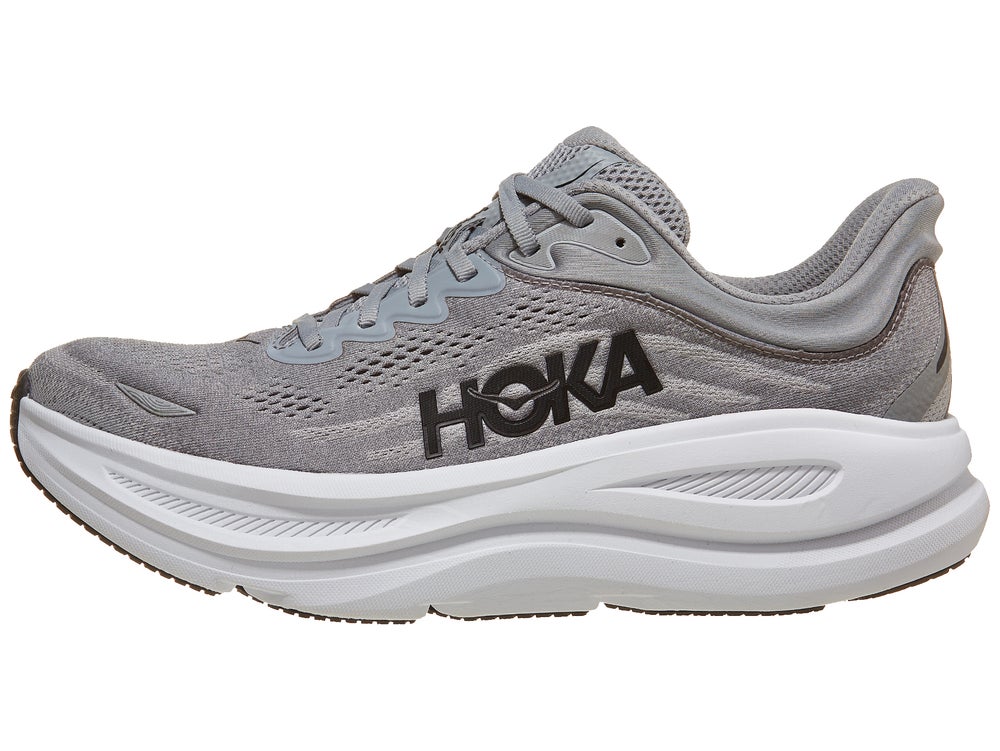
Best max cushion running shoes for long runs (2026): 7 plush picks by cushion and weight
The best max-cushion running shoes for long runs in 2026, from the $155 Nike Vomero 18 to the HOKA Skyward X 2 — ranked by cushion, weight, and price.
Jul 29, 2026
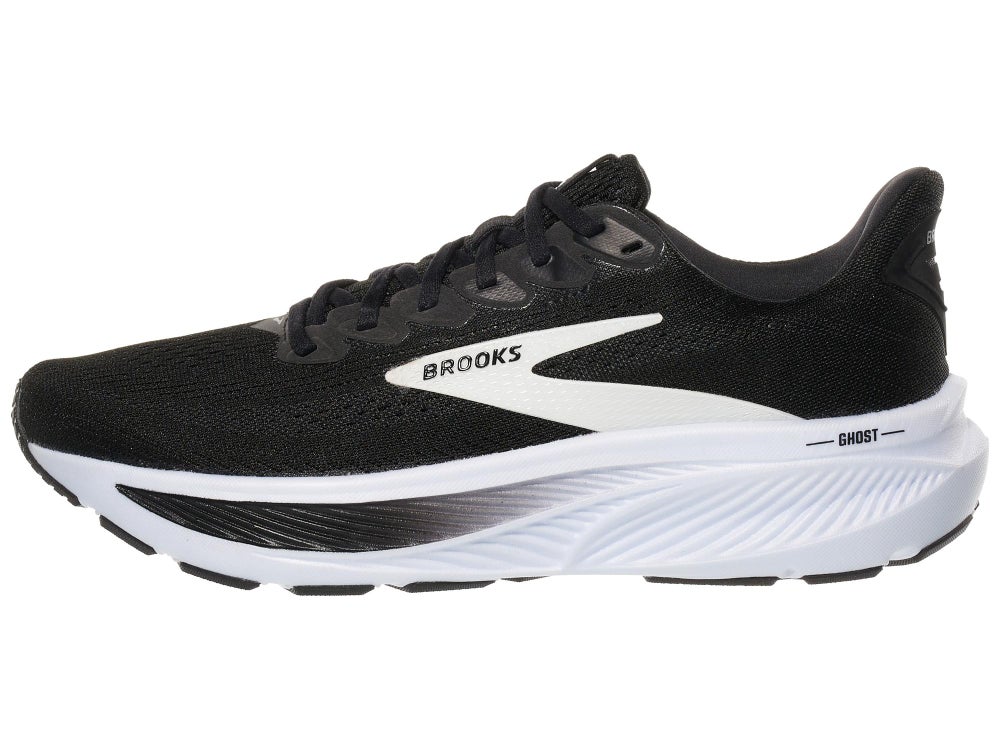
Best Running Shoes for Wide Feet (2026): 6 True-Wide & Roomy-Toe Picks
The best running shoes for wide feet in 2026: 6 picks in true 2E/4E widths plus roomy anatomical toe boxes, ranked by fit with verified prices ($113–$175).
Jul 31, 2026
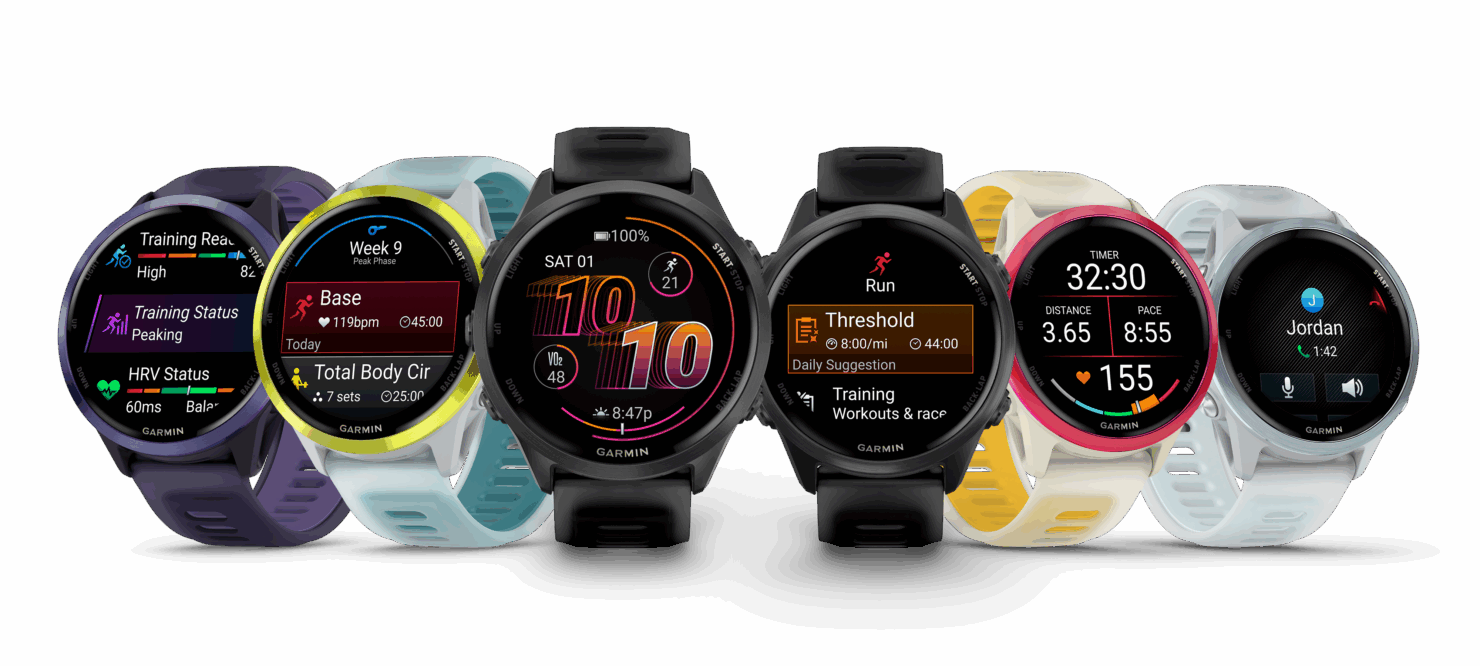
Best GPS watches for marathon training (2026): 7 picks by battery and training depth
The best GPS watches for marathon training in 2026, from the $249 COROS Pace 4 to the Garmin Forerunner 970 — ranked by battery, training depth, and price.
Jul 28, 2026
Best headlamp for running (2026): 8 picks ranked by the light you can actually hold
Eight running headlamps from $69.95-$249.95 ranked by sustained lumens you can hold for a whole run, not the boost figure printed on the box.
Aug 17, 2026