The short answer
For most runners the Petzl ACTIK CORE ($87.95) is the best headlamp for running: 625 published lumens at 88 g, and that figure is a mode you can hold for two hours rather than a six-second boost. The 78 g BioLite Dash 450 ($69.95) is the lightest; Black Diamond's Distance 1500 runs 8 hours at 300 lumens.
GearScout may earn a commission when you buy through links on this page. Prices, availability, and ratings can change, so confirm details with the retailer before purchasing.
Prices last verified August 2026.
If you are shopping for a headlamp to run in, most headlamp guides are not written for you. They are written for campers who need to find a tent zipper and for tradespeople who need both hands free under a sink. Those readers care about a bright number and a long battery. You care about something narrower and harder: how much light you can hold on your forehead, without it sliding or bouncing, for the entire length of a run in the dark.
That constraint changes the answer, because the number printed on the box is frequently not a mode you can run in. On four of the eight lamps below, the headline lumen figure is a boost or burst that the manufacturer's own published table rates in seconds. Petzl rates the SWIFT RL's 1200-lumen BOOST at six seconds. BioLite rates the HeadLamp 800 Pro's 800-lumen BURST at 30 seconds per burst. So this page throws the box number away and ranks on what each brand publishes as a mode you can actually sustain.
GearScout may earn a commission when you buy through links on this page. Prices, availability, and ratings can change, so confirm details with the retailer before purchasing.
The constraint filter: what running eliminates
Running is a demanding use case for a headlamp in three specific ways, and each one rules out products that look fine in a generic roundup.
You need sustained output, not peak output. A camper flicks max power on for a few seconds to identify a noise. You need continuous light for 30 to 180 minutes. This eliminates any lamp whose impressive figure is a momentary mode — and, more importantly, it means the honest comparison is each lamp's brightest setting with a published burn time of at least an hour. That is the number this page ranks on. Call it sustained lumens.
Weight sits on your skull and moves. Walking pace forgives a heavy lamp; running does not. Across these eight lamps published weight runs from 78 g to 213 g — a 2.73x spread and 135 g of absolute difference, which is roughly the difference between forgetting the lamp is there and retightening the strap every mile. This does not eliminate heavy lamps outright, but it means a heavy lamp has to earn its mass in output or runtime.
You cannot swap batteries mid-effort without stopping. For a 45-minute morning run this is irrelevant. For a night trail race it is the whole decision, and it favours external-battery designs and lamps with genuine multi-hour figures at a usable brightness.
What the running constraint does not eliminate: brightness ceilings above what you need. Almost every lamp here can produce more light than a runner requires on a road or a groomed trail. Chasing the biggest number is the most common way to overpay in this category.
Quick Picks
Ranked constraint-first: sustained published output and head weight come before general polish. Where a brand does not publish a runtime for a given brightness, that lamp cannot be ranked highly on a constraint measured in runtime — and one of these lamps is in exactly that position.
| Pick | Sustained lumens (hours) | Weight | Price | Verdict |
|---|---|---|---|---|
| Petzl ACTIK CORE | 625 lm (2 h) | 88 g | $87.95 | Best overall — the box number is the real number |
| BioLite Dash 450 | 450 lm (3 h) | 78 g | $69.95 | Lightest, and the best budget pick |
| Petzl SWIFT RL | 800 lm (2 h) | 92 g | $134.95 | Most sustained light per gram carried |
| Petzl NAO RL | 900 lm (2 h) | 145 g | $199.95 | Highest sustained output anyone here publishes |
| BioLite HeadLamp 800 Pro | 500 lm (2 h constant / 7 h regulated) | 150 g | $149.95 | The only brand that tells you what output does over time |
| Black Diamond Distance 1500 | 300 lm (8 h) | 213 g | $249.95 | Best for all-night efforts, worst value per lumen |
| Nathan Neutron Fire RX 2.0 | 163 lm (6+ h) | not published | $72.00 | Best for road runners who need to be seen |
| Black Diamond Sprinter 500 | not published | 130 g | $99.95 | Good hardware, unrankable on runtime |
Comparison Table
Prices last verified August 2026. The sustained-lumens column is first because it is the constraint. Every figure below is quoted from the manufacturer's own published specification table — see Methodology for how the sustained column was derived.
| Pick | Sustained lm (hours) | Headline lm (what mode it really is) | Ratio | Weight | lm per gram | lm per $ | Price | Water rating |
|---|---|---|---|---|---|---|---|---|
| Petzl ACTIK CORE | 625 (2 h) | 625 (MAX POWER — a real mode) | 1.00x | 88 g | 7.10 | 7.11 | $87.95 | IPX4 |
| BioLite Dash 450 | 450 (3 h) | 450 (HI — a real mode) | 1.00x | 78 g | 5.77 | 6.43 | $69.95 | IPX4 |
| Petzl SWIFT RL | 800 (2 h) | 1200 (BOOST — 6 seconds) | 1.50x | 92 g | 8.70 | 5.93 | $134.95 | IPX4 |
| Petzl NAO RL | 900 (2 h) | 1500 (reactive maximum) | 1.67x | 145 g | 6.21 | 4.50 | $199.95 | IPX4 |
| BioLite HeadLamp 800 Pro | 500 (2 h / 7 h regulated) | 800 (BURST — 30 seconds) | 1.60x | 150 g | 3.33 | 3.33 | $149.95 | IPX4 |
| Black Diamond Distance 1500 | 300 (8 h) | 1500 (momentary PowerTap) | 5.00x | 213 g | 1.41 | 1.20 | $249.95 | IP67 |
| Nathan Neutron Fire RX 2.0 | 163 (6+ h) | 250 (Boost, per Nathan's own spec list) | 1.53x | not published | n/a | 2.26 | $72.00 | IPX4 |
| Black Diamond Sprinter 500 | not published | 500 | n/a | 130 g | n/a | n/a | $99.95 | IPX4 |
Normalized across the eight lamps: sustained output runs 163–900 lm (a 5.52x spread), sustained lumens per gram runs 1.41–8.70 (6.17x), and sustained lumens per dollar runs 1.20–7.11 (5.93x). Price spans 3.57x. The rankings those three columns produce barely resemble the ranking the headline-lumen column produces, which is the entire point of this page.
Why the brightest number on the box fails this constraint
Here is what competitors miss. Take the two extremes.
The Black Diamond Distance 1500 costs $249.95 and says 1500 lumens. Black Diamond's own published figures are "One full battery lasts 8 hours at 300 lumens; two full batteries last 8 hours at 600 lumens," plus a 27-hour maximum burntime. The 1500-lumen figure is a momentary PowerTap. So the published usable number is 300 lumens for 8 hours on one battery.
The Petzl ACTIK CORE costs $87.95 and says 625 lumens. Petzl publishes MAX POWER at 625 lumens for 2 hours — a mode, with hours attached.
That is the finding: the $87.95 lamp publishes more than double the sustained output of the $249.95 lamp, and does it at 88 g instead of 213 g. The Distance 1500 is not a bad product — it is the only lamp here that will genuinely run 8 hours at a useful brightness, and its IP67 rating is the best in the set. But if you bought it because 1500 is a bigger number than 625, you bought a figure you cannot run in.
Two more mainstream picks that fail on published evidence:
- The Nathan Neutron Fire RX 2.0 is marketed as a 250-lumen lamp. Nathan's own specification list reads Low 33 lm, Med 100 lm, Hi 163 lm, Boost 250 lm. The continuous top setting is 163 lumens. Nathan deserves credit for publishing the breakdown at all — most of its competitors in this price bracket do not — but the marketing number is 1.53x the runnable one.
- The Black Diamond Sprinter 500 is a genuinely nice piece of hardware: 500 lumens, 130 g, dual-fuel so it takes 3× AAA when the rechargeable dies, a rear red flasher, reflective detailing. Black Diamond publishes lumens, weight, IPX4, max distance per setting, and a single "Max Burntime: 100 hours." It publishes no hours-at-high figure at all. You cannot tell from the manufacturer how long it holds 500 lumens, which on the one axis that matters for running makes it unrankable. That is why a good lamp sits last on this page.
Methodology
This page ranks on one derived metric, computed the same way for every lamp.
Sustained lumens is the brightest output a manufacturer publishes with a paired burn time of at least one hour. Two categories of figure were deliberately excluded:
- Momentary modes. Petzl BOOST, BioLite BURST, and Black Diamond PowerTap are rated in seconds or as instantaneous taps. They are not modes you run in.
- Reactive-lighting ranges. Petzl's SWIFT RL and NAO RL publish reactive figures as bands (the NAO RL's reactive MAX POWER is 50–1500 lm over 2–24 h) because output varies with what the sensor sees. A band is not a level the runner selects, so the STANDARD LIGHTING table was used for both Petzl reactive lamps instead. In practice reactive mode extends real-world runtime beyond the standard figure — it is a genuine advantage, just not a measurable one from published specs.
Where a brand publishes no output with a paired runtime, the field is recorded as not published rather than estimated or inferred. Two lamps have gaps of this kind and both are disclosed above.
Prices were read from each manufacturer's own US product page on 17 August 2026 and cross-checked against Running Warehouse's headlamp catalog the same day. Two variances surfaced: the Sprinter 500 was listed at $79.96 against a $99.95 MSRP, and the NAO RL was $199.95 at Petzl but $189.95 at Running Warehouse. MSRP is quoted throughout so the page does not go stale when a promotion ends.
Ranking order weights sustained output and weight first, then published-evidence completeness, then features like rear lights and battery flexibility. Budget was treated as a tiebreak rather than a category — the lm-per-dollar column lets you apply your own.
What We Checked
This is researched editorial judgment built on published manufacturer specifications, not a wear test. We want to be precise about the line: nobody at GearScout ran in these lamps, timed a battery, or measured a beam. What we did do:
- Pulled the complete published lighting-performance table for all eight lamps from each manufacturer's own product page, capturing every mode with both its lumen figure and its paired burn time — the pairing is the thing generic roundups drop.
- Derived sustained lumens, lumens per gram, and lumens per dollar ourselves, and compared the resulting order against the headline-lumen order.
- Verified every price against the manufacturer page and cross-checked all eight against a specialty retailer's live catalog on the same day, recording the two variances we found.
- Confirmed each product image URL resolves from an official manufacturer CDN.
- Checked two specification gaps twice before reporting them: Nathan publishes no weight for the Neutron Fire RX 2.0 on either its own page or the retailer listing, and Black Diamond publishes no per-level runtime for the Sprinter 500. Neither gap was filled with an estimate.
What we could not check: bounce, strap comfort, beam quality and spill, cold-weather runtime degradation, and long-term water resistance. Those need feet and hours. If bounce is your main worry, the useful proxy from published data is mass and where it sits — a 78 g single-piece lamp and a 213 g lamp with a rear battery pack behave very differently, and no spec sheet will tell you which your head prefers.
Our top picks
1. Best overall: Petzl ACTIK CORE — $87.95
Petzl ACTIK CORE wins because it is the only lamp here that leads both derived columns: 7.10 sustained lumens per gram and 7.11 per dollar. Petzl publishes MAX POWER at 625 lm for 2 h, STANDARD at 100 lm for 7 h plus a 2 h reserve, and MAX BURN TIME at 7 lm for 100 h. There is no boost mode inflating the headline, so its ratio is 1.00x — what it says is what it holds.
It also takes 3× AAA if the CORE battery dies, though Petzl is explicit that maximum output drops to 450 lm on alkalines.
- Best for: most runners, most of the time — road or trail, 30 minutes to two hours
- Avoid if: you need more than 2 hours at full output, or you want a rear red light for traffic
2. Lightest and best budget pick: BioLite Dash 450 — $69.95
At 2.75 oz / 78 g, BioLite's Dash 450 is the lightest lamp here by 10 g, and it is sold specifically as a running headlamp rather than adapted into the role. BioLite publishes 450 lm on high for 3 hours and 60 hours on low, plus a reserve mode good for another hour at 5 lm. Like the ACTIK CORE, its headline number is its sustained number.
The gap in the evidence: BioLite publishes only the HI and LO endpoints for this model, not a full per-level table, so there is no medium-mode figure to compare.
- Best for: runners who notice weight above all else; the cheapest honest lamp on the page
- Avoid if: you regularly run more than 3 hours at full brightness
3. Most light per gram carried: Petzl SWIFT RL — $134.95
Petzl SWIFT RL posts the best sustained-output-per-gram figure in the set at 8.70 lm/g: 800 sustained lumens for 92 g. Petzl publishes STANDARD LIGHTING MAX POWER at 800 lm / 2 h, STANDARD at 190 lm / 7 h, and — to its credit — states plainly that the 1200 lm BOOST lasts 6 seconds. Reactive mode adds real runtime on top of the standard figures.
- Best for: technical trail running where you want genuine output on descents without carrying mass
- Avoid if: you were buying it for the 1200-lumen figure, or you want an AAA fallback
4. Highest sustained output published: Petzl NAO RL — $199.95
If you simply want the most continuous light anyone here will commit to in writing, it is the NAO RL at 900 lm for 2 h on standard lighting, plus 250 lm for 5 h and a rear red light rated 2 lm for 78 h. Reactive MAX POWER is published as 50–1500 lm over 2–24 h.
Note the price spread: $199.95 on Petzl's own page, $189.95 at Running Warehouse on the same day.
- Best for: fast night trail running where output matters more than the 145 g
- Avoid if: you would rather have the SWIFT RL's better lumens-per-gram for $65 less
5. Most honest runtime data: BioLite HeadLamp 800 Pro — $149.95
The 800 Pro is the only lamp on this page that publishes regulated runtime alongside constant runtime: 500 lm for 2 h constant or 7 h regulated, 250 lm for 4 h or 8.5 h, 5 lm for 150 h, and an 800 lm burst rated at 30 seconds. That distinction — held brightness versus brightness allowed to sag — is the single most useful disclosure any brand in this category makes, and only BioLite makes it.
The cost is mass: 150 g, and 3.33 lm/g is second-worst here. The rear battery does balance the front housing.
- Best for: long efforts where you want a defensible runtime estimate rather than a hopeful one
- Avoid if: 150 g on your forehead is more than you want
6. Best for all-night efforts: Black Diamond Distance 1500 — $249.95
The Distance 1500 is the only lamp here with a published multi-hour figure at a usable brightness: 8 hours at 300 lm on one battery, 8 hours at 600 lm on two, 27 hours maximum burntime, and IP67 — the best water rating in the set. Its external battery means you can carry a spare.
Be clear-eyed about the trade: 213 g, $249.95, worst lm/g (1.41) and worst lm/$ (1.20) on the page, and Black Diamond never publishes what it sustains at or near 1500 lm. The 300 lm figure is a runtime-optimised published number, not a demonstrated ceiling.
- Best for: 100-milers, all-night pushes, genuinely wet conditions
- Avoid if: your longest run in the dark is two hours — you are paying for capacity you will not use
7. Best for road visibility: Nathan Neutron Fire RX 2.0 — $72.00
Nathan's Neutron Fire RX 2.0 is the only pick built primarily around being seen rather than seeing: RGB side strobes in red, green, or blue, reflective material, IPX4. Its 6+ hours at Hi is the longest usable per-mode runtime on the page.
Two caveats, both Nathan's own numbers. Hi is 163 lm, not the 250 lm on the marketing — 250 is Boost. And Nathan publishes no weight anywhere we could find, so this lamp is the one pick here we cannot place on the weight axis.
- Best for: road and neighbourhood running where traffic is the actual hazard
- Avoid if: you run technical trails, where 163 lm is thin
8. Good hardware, unpublished runtime: Black Diamond Sprinter 500 — $99.95
The Sprinter 500 has features the rest of this list mostly lacks: dual-fuel operation on 3× AAA or the BD1800 rechargeable, a rear red flasher, reflective details, 130 g, IPX4. It was listed at $79.96 against its $99.95 MSRP when we checked.
It ranks last for one reason. Black Diamond publishes 500 lumens, weight, IPX4, max distance per setting, and one "Max Burntime: 100 hours" number — and no per-level runtime whatsoever. On a page that ranks by how long a lamp holds a usable brightness, a lamp whose maker will not say cannot place higher, however good the hardware is.
- Best for: multi-day trips where an AAA fallback matters more than a published runtime
- Avoid if: you want to know what you are buying on the axis that matters for running
Buying Guide
How many lumens do you actually need? For lit roads and sidewalks, 100–200 sustained lumens is enough to be seen and to spot kerbs and potholes; Nathan's 163 lm Hi or the ACTIK CORE's 100 lm / 7 h setting both cover it. For unlit roads and gravel, 200–400. For technical singletrack at speed, 400 and up, which is where the SWIFT RL and NAO RL earn their price. Above roughly 900 sustained lumens you are buying capability for descents and search, not for running.
Read the runtime next to the brightness, never on its own. A "100-hour" burn time and a "1500-lumen" output on the same spec sheet almost never refer to the same mode. The only figure worth comparing is a lumen number with hours attached to it. If a brand will not print that pair, treat the omission as information.
Match the battery format to the effort. Sealed rechargeable is lighter and simpler for daily runs. AAA dual-fuel (ACTIK CORE, Sprinter 500) is insurance for travel and multi-day use. An external battery pack (Distance 1500) is the only format that lets you swap mid-effort, and it costs you 60–120 g.
Decide whether you need to be seen. A rear red light or side strobes matter enormously on roads and not at all on empty trails. The NAO RL, Sprinter 500, and Neutron Fire RX all offer rear or side visibility; the ACTIK CORE and Dash 450 do not. If you run roads at dawn, this may outrank brightness entirely — the same logic that drives our road bike light picks, where being visible beats being bright.
Then let weight break the tie. Once a lamp clears your brightness and runtime bar, take the lightest one. The 135 g spread across this page is real and you will feel it after an hour.
Where a headlamp fits the rest of your kit. If you are assembling a dark-mornings setup, the lamp is one of three purchases: see our hydration vest picks for carrying a spare battery, trail shoes for beginners if the dark is pushing you off the road, and GPS watches for marathon training if you are logging those miles toward a race. The full running gear library covers the rest.
Common mistakes to avoid
- Buying the biggest lumen number. On four of these eight lamps it is a mode rated in seconds. The 1200, the 1500, the 800, and the 250 all mean less than they appear.
- Ignoring the hours next to the brightness. A lamp with 625 lumens for 2 hours and a lamp with 300 lumens for 8 hours are built for different runs, and neither spec sheet says which you are.
- Overpaying for runtime you will never use. The $249.95 Distance 1500 exists for all-night efforts. If your longest dark run is 90 minutes, an $87.95 ACTIK CORE gives you more sustained light for a third of the money.
- Forgetting the rear light. Runners buy for seeing and get hit for not being seen. On roads, side and rear visibility is the safety feature; forward lumens are the convenience.
- Assuming a heavier lamp is sturdier. Mass here tracks battery capacity and housing, not durability. The 213 g lamp and the 78 g lamp carry the same IPX4-or-better ratings, and the heavy one publishes the lowest sustained output on this page.
- Trusting a max-burntime figure as a runtime. "Max Burntime: 100 hours" describes a 6–10 lumen mode designed to keep you alive, not to let you run.
Common questions
Frequently asked questions
- How many lumens do I need for running?
- On lit roads, 100-200 sustained lumens is enough to see kerbs and be seen - the Petzl ACTIK CORE's 100 lm / 7 h setting or Nathan's 163 lm Hi both cover it. Unlit roads and gravel want 200-400. Technical singletrack at speed wants 400 and up. Above roughly 900 sustained lumens you are buying descent and search capability, not running light.
- Is the lumen number on the box the brightness I actually get?
- Often not. On four of the eight lamps we compared, the headline figure is a boost or burst mode. Petzl rates the SWIFT RL's 1200 lm BOOST at 6 seconds, BioLite rates the 800 Pro's 800 lm BURST at 30 seconds per burst, Black Diamond's 1500 lm is a momentary PowerTap, and Nathan's own spec list puts Hi at 163 lm with 250 lm reserved for Boost.
- How long should a running headlamp last on one charge?
- Match it to your longest dark run, at the brightness you will actually use. Published figures on our picks range from 2 hours at full output (Petzl ACTIK CORE at 625 lm, NAO RL at 900 lm) to 8 hours at 300 lm (Black Diamond Distance 1500) and 6-plus hours at 163 lm (Nathan Neutron Fire RX 2.0). Always read the runtime next to a specific lumen figure.
- Do I need a rear red light on a running headlamp?
- On roads and shared paths, yes - being seen by traffic is the bigger hazard than seeing the ground. The Petzl NAO RL, Black Diamond Sprinter 500, and Nathan Neutron Fire RX 2.0 all include rear or side visibility lighting. The Petzl ACTIK CORE and BioLite Dash 450 do not. On empty trails it does not matter.
- Are AAA batteries or a rechargeable battery better for running?
- Sealed rechargeable is lighter and simpler for daily runs. Dual-fuel lamps that also take 3x AAA, like the Petzl ACTIK CORE and Black Diamond Sprinter 500, are useful insurance for travel and multi-day trips - though Petzl notes the ACTIK CORE's maximum output drops from 625 to 450 lumens on alkalines. Only an external pack like the Distance 1500's lets you swap mid-run.
- Does a heavier headlamp bounce more when running?
- Mass and its placement are the best proxies available from published specs, and the spread is real: 78 g for the BioLite Dash 450 versus 213 g for the Black Diamond Distance 1500, which splits its weight between a front housing and a rear battery. We did not wear-test these lamps, so treat bounce as the one factor you should confirm in person or through a returnable purchase.
References
Sources
- Petzl ACTIK CORE - official product page and lighting performance table
- Petzl SWIFT RL - official product page and lighting performance table
- Petzl NAO RL - official product page and lighting performance table
- BioLite Dash 450 - official product page and runtime specs
- BioLite HeadLamp 800 Pro - official page with constant and regulated runtime table
- Black Diamond Distance 1500 - official product page and published runtime figures
- Black Diamond Sprinter 500 - official product page and specification block
- Nathan Neutron Fire RX Runner's Headlamp 2.0 - official page with per-mode lumens and hours
- Running Warehouse running headlamp catalog - cross-retailer price check
- Black Diamond running headlamp collection
- Petzl headlamp range - official US collection
Keep reading
Related guides
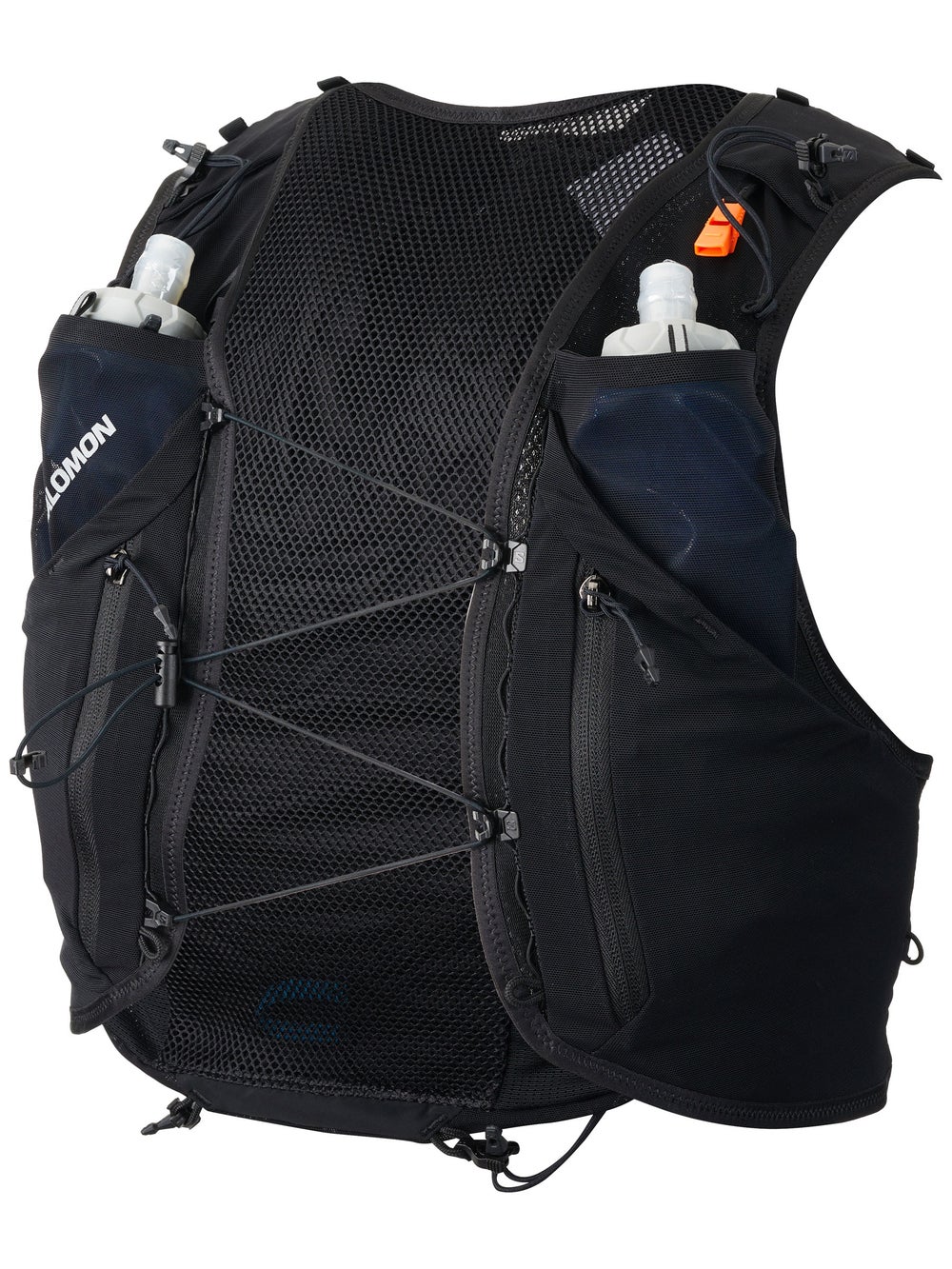
Best hydration vest for running (2026): 7 picks by run length and budget
The best hydration vests for running in 2026, from the $89.95 Nathan QuickStart to the Salomon ADV Skin 12 — ranked by capacity, fit, and price.
Aug 4, 2026
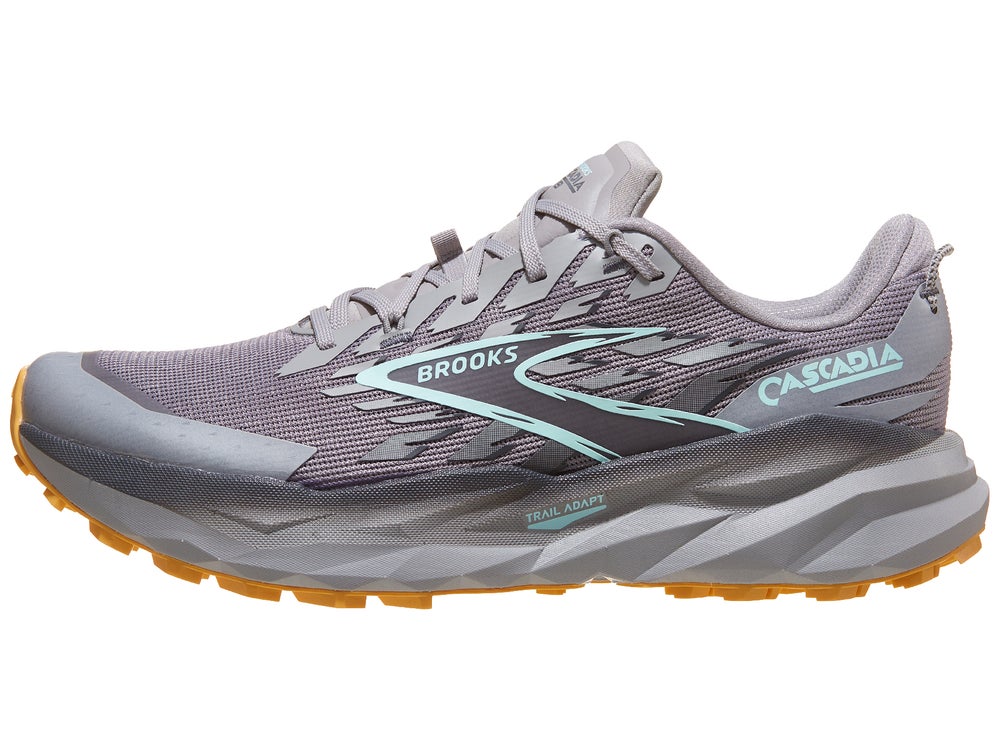
Best Trail Running Shoes for Beginners: Picks by Buyer Type (2026)
Beginner trail running shoes by buyer type: a ~$120 all-rounder, the grippiest do-everything pick, wide-foot and road-to-trail options, and what to skip.
Jul 29, 2026
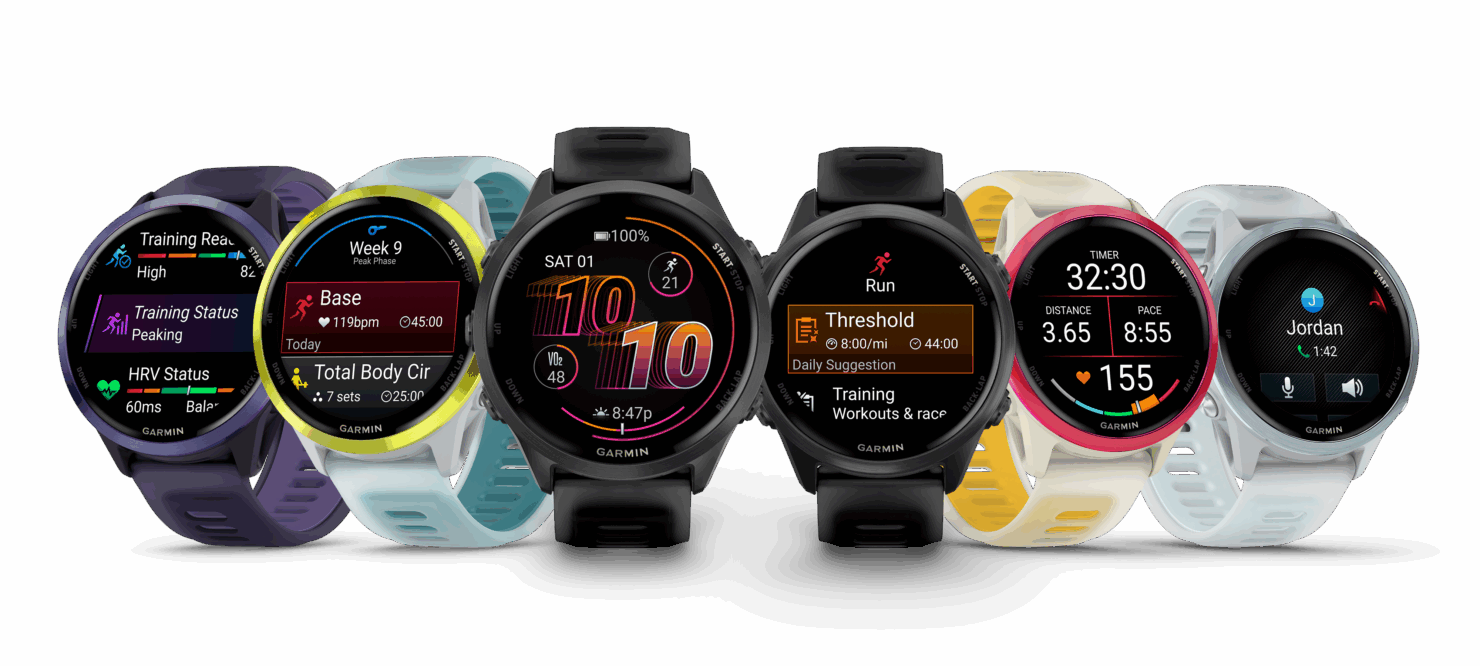
Best GPS watches for marathon training (2026): 7 picks by battery and training depth
The best GPS watches for marathon training in 2026, from the $249 COROS Pace 4 to the Garmin Forerunner 970 — ranked by battery, training depth, and price.
Jul 28, 2026

Best incline treadmill: 8 picks ranked by vertical feet climbed, not percent
Eight incline treadmills from $999.99 to $2,999.99 ranked by real grade - 11.4% to 50%, converted to degrees and vertical feet per mile. Verified August 2026.
Aug 12, 2026